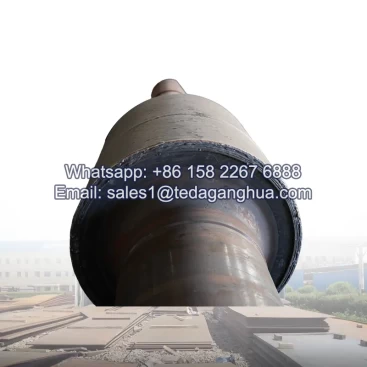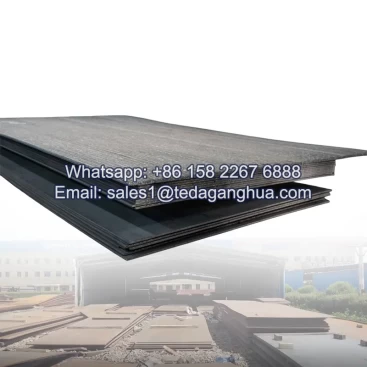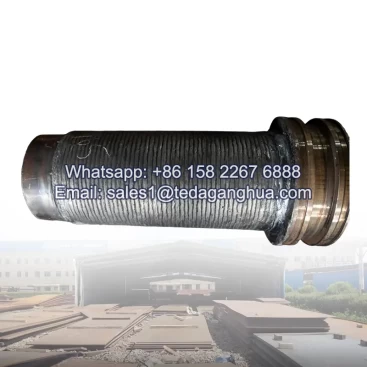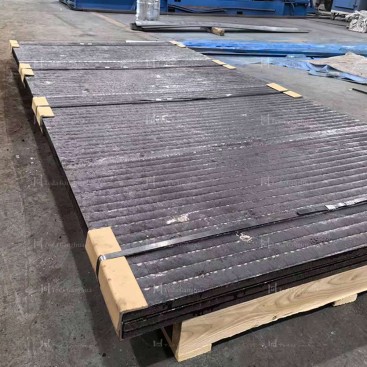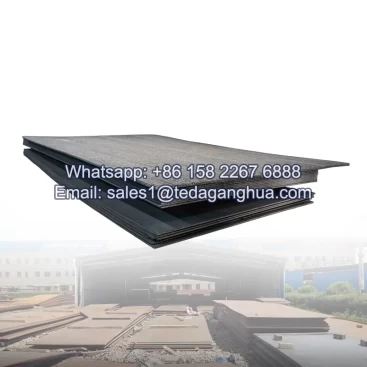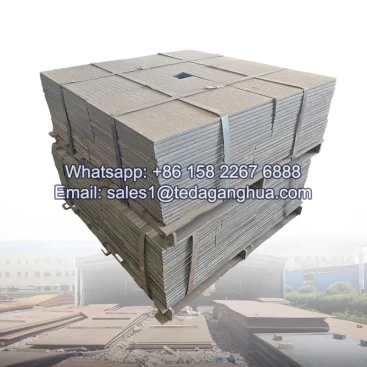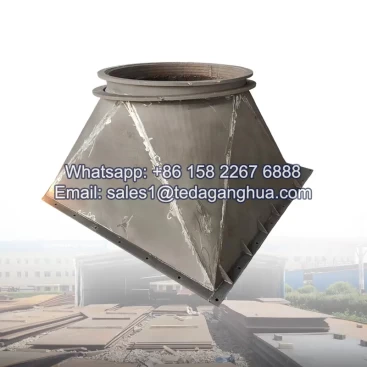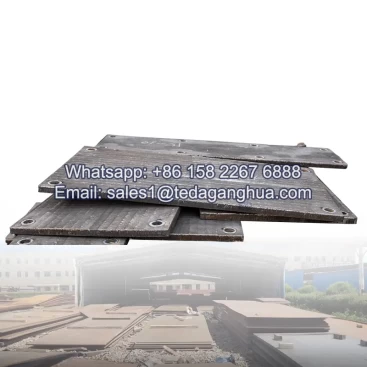
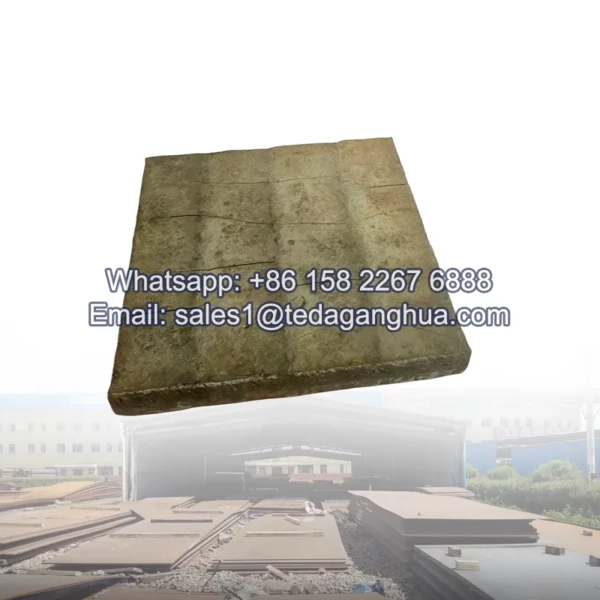
高碳化铬堆焊层


High Chromium Carbide Overlay and low-chromium overlay systems are both widely used in wear-resistant engineering, but they serve different operational needs. High-chromium systems deliver superior hardness and abrasion resistance for extreme wear conditions, while low-chromium systems offer better toughness and impact resistance for mixed working environments. Proper selection ensures optimal performance, 服务寿命更长, and reduced maintenance costs in industrial applications.
- 描述
高碳化铬堆焊层 (CrC Overlay) is a wear-resistant welding layer deposited onto a steel base plate to improve surface hardness and abrasion resistance. 广泛应用于采矿业, 水泥, 发电, 和散装物料搬运行业. According to chromium content and carbide structure, overlay systems are generally divided into high-chromium overlay 和 low-chromium overlay.
These two systems differ significantly in composition, 硬度, wear resistance mechanism, 及申请条件.
Material Composition Difference
High-Chromium Carbide Overlay
High-chromium overlay contains a higher percentage of chromium, 通常:
- 铬 (铬): 25–35%
- 碳 (C): 3–5%
- 铁 (铁): 平衡
- 微量元素: 锰, Si for weld stability
This composition promotes the formation of dense, hard carbide phases such as Cr₇C₃ and Cr₂₃C₆.
Low-Chromium Carbide Overlay
Low-chromium overlay has reduced chromium content:
- 铬 (铬): 12–20%
- 碳 (C): 2–4%
- 铁 (铁): 平衡
- Additional alloying elements may be used to balance toughness
The carbide formation is less dense compared to high-chromium systems.
Hardness and Microstructure Comparison
| 财产 | High-Chromium Overlay | Low-Chromium Overlay |
|---|---|---|
| Chromium Content | 25–35% | 12–20% |
| Carbide Density | 高的 | 中等的 |
| 表面硬度 | 58–65HRC | 50–58 HRC |
| 耐磨性 | 出色的 | Moderate–High |
| 韧性 | 中等的 | 更高 |
High-chromium systems prioritize extreme hardness, while low-chromium systems balance hardness and toughness.
耐磨机制
High-Chromium Overlay
- Dense chromium carbide network
- Strong resistance to cutting and grinding wear
- Excellent performance under severe abrasion conditions
- Better suited for dry, high-impact particle environments
Low-Chromium Overlay
- Less carbide saturation
- Improved crack resistance and toughness
- Better performance under mixed impact and wear conditions
- Suitable for unstable or shock-heavy environments
抗冲击性比较
| 特征 | High-Chromium Overlay | Low-Chromium Overlay |
| 抗冲击性 | 中-低 | 中-高 |
| Crack Sensitivity | 更高 | 降低 |
| Structural Flexibility | 降低 | 更高 |
High-chromium systems may require more careful process control to avoid cracking under heavy impact.
Typical Application Differences
High-Chromium Carbide Overlay Applications
- 水泥厂溜槽和衬里
- Mining transfer systems
- 输煤设备
- High-abrasion conveyor surfaces
- Dry particle erosion environments
Low-Chromium Carbide Overlay Applications
- Excavator buckets with impact load
- 自卸卡车衬里
- Crusher components with mixed wear
- Material handling with variable particle size
- Shock-prone industrial equipment
Process and Fabrication Considerations
| 因素 | High-Chromium | Low-Chromium |
| 焊接难度 | 更高 | 降低 |
| Cracking Risk | 更高 | 降低 |
| Heat Control Requirement | Strict | 缓和 |
| 成本水平 | 更高 | 降低 |
High-chromium overlays require tighter control of heat input and cooling to maintain surface integrity.
Performance Summary
- High-chromium overlays provide 最大耐磨性 for severe wear environments
- Low-chromium overlays provide a balanced combination of wear and impact resistance
- Selection depends on whether the application prioritizes hardness or toughness