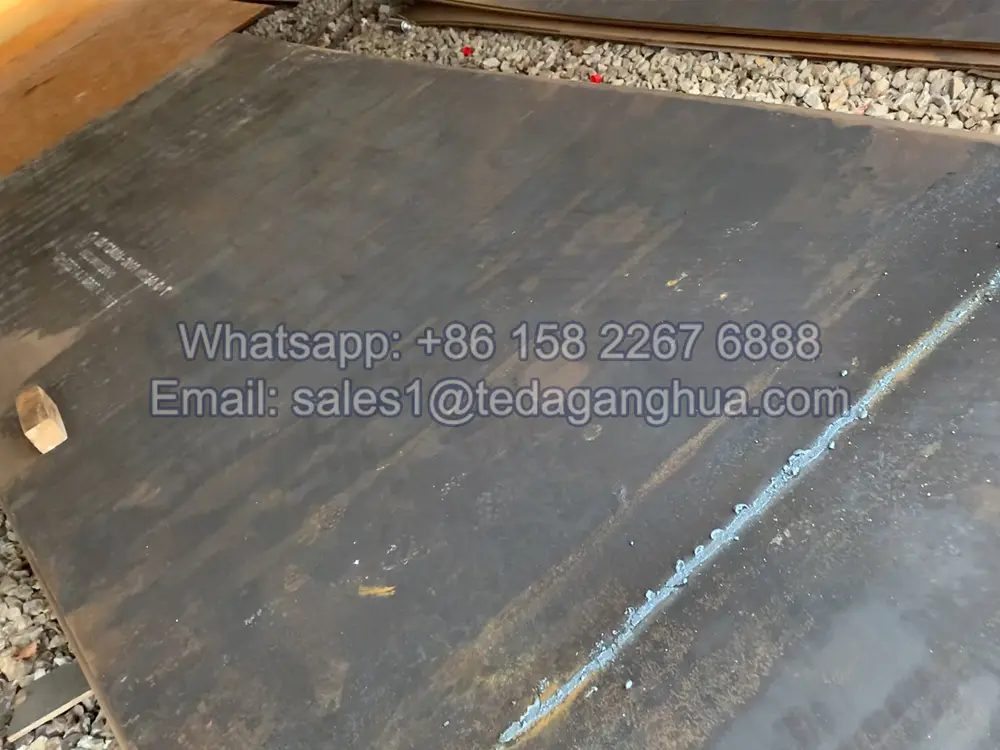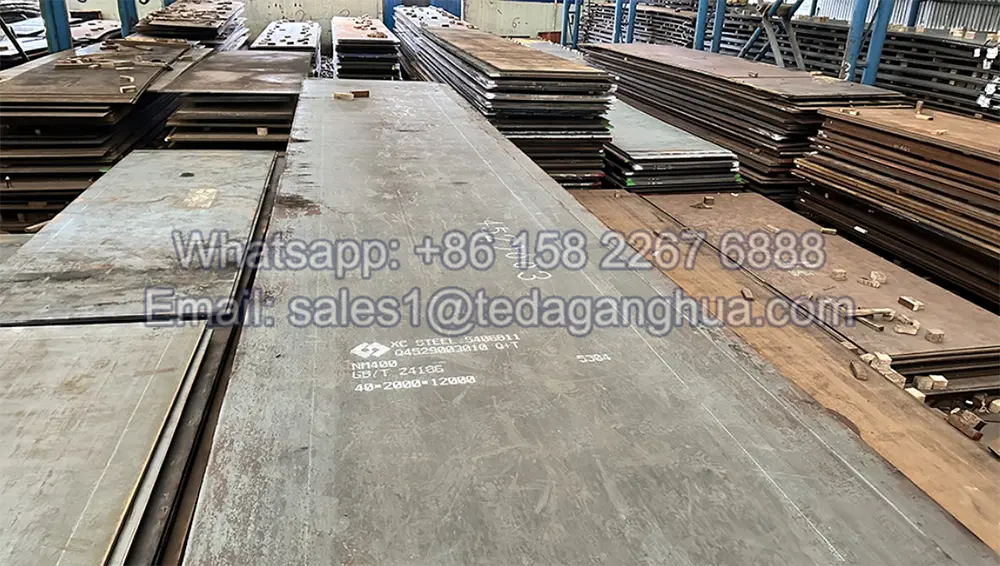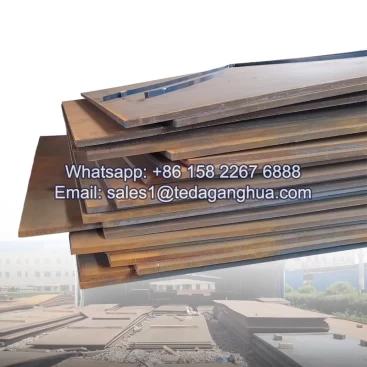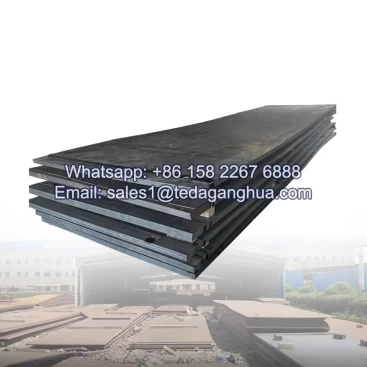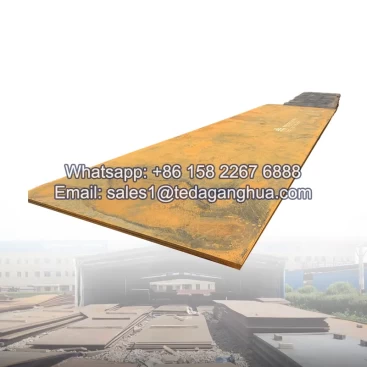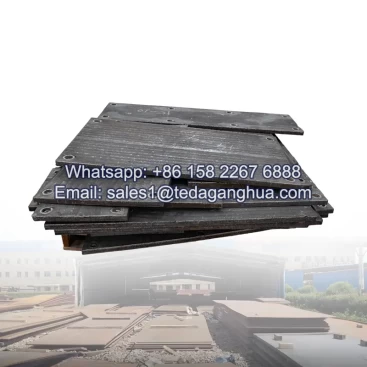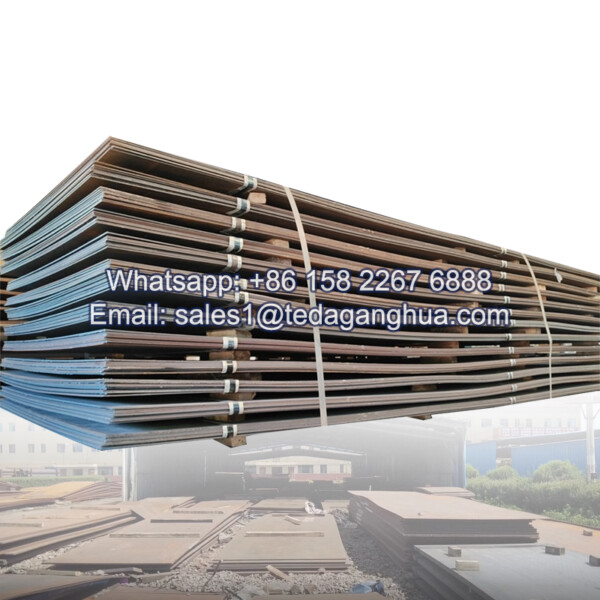
ملابس الصلب
Steel wear is a natural process caused by abrasion, تأثير, احتكاك, والتآكل. In industrial environments, it leads to equipment failure and material loss.
Wear-resistant steels are designed to combat this problem through صلابة عالية, البنية المجهرية الأمثل, and alloy strengthening elements. These features significantly slow down material degradation and extend equipment service life.
- وصف
Steel wear refers to the gradual material loss of steel surfaces caused by mechanical action such as friction, كشط, تأثير, والاتصال المنزلق. In industrial environments like mining, إنتاج الأسمنت, مصانع الصلب, ومعالجة المواد السائبة, wear is one of the main failure mechanisms of equipment.
To improve service life, الفولاذ المقاوم للارتداء are specially designed to slow down or resist this material loss through optimized hardness, البنية المجهرية, and alloy composition.
What Causes Steel Wear?
Steel wear mainly occurs through several mechanisms:
1. ملابس كاشطة
Hard particles (رمل, خام, الكلنكر) slide or roll across the steel surface and remove material.
- Common in mining and cement industries
- Main reason for rapid plate thinning
2. ملابس التأثير
Repeated high-energy impacts cause surface deformation and cracking.
- دلاء حفارة
- بطانات كسارة
- أسرة شاحنة قلابة
3. ملابس لاصقة
Two metal surfaces stick together under pressure and then tear apart.
- Occurs in moving mechanical parts
- Leads to surface damage and material transfer
4. Erosive Wear
High-speed particles strike the steel surface and gradually erode it.
- Pneumatic conveying systems
- Coal and ash transport pipelines
Why Wear-Resistant Steel Works
Wear-resistant steel reduces material loss through three main principles:
1. صلابة سطحية عالية
Hardness is the first defense against wear.
- Hard surface resists cutting by abrasive particles
- Reduces penetration depth of external materials
- Slows down surface deformation
Typical wear steels range from:
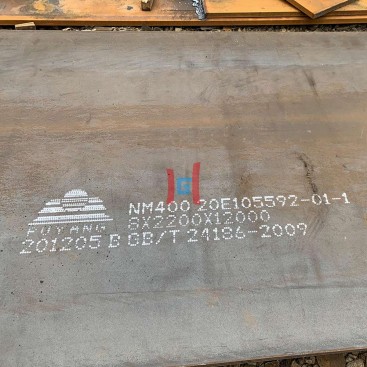
- 360 اتش بي دبليو (AR400)
- حتى 540+ اتش بي دبليو (AR500 and above)
2. Optimized Microstructure
Wear-resistant steels are engineered through heat treatment to form special structures:
- Martensitic structure (AR/NM steels)
- Fine grain structure for uniform hardness
- Carbide-rich phases in alloy steels
These structures improve resistance to cracking and surface damage.
3. عناصر تقوية السبائك
Key elements improve wear performance:
- الكربون (ج): يزيد من صلابة
- الكروم (كر): improves wear and oxidation resistance
- المنغنيز (من): improves toughness
- الموليبدينوم (شهر): stabilizes hardness under stress
These elements work together to balance hardness and toughness.
4. Work Hardening Effect (Special Steels)
Some steels, especially high manganese steel, become harder during use:
- Surface becomes stronger under impact
- Extends service life in high-impact environments
- Ideal for crusher and mining applications
How Wear-Resistant Steel Extends Service Life
Wear-resistant steel does not eliminate wear—it slows it down by:
- Reducing material removal rate
- Distributing impact energy
- Preventing deep surface damage
- Maintaining structural integrity over time
وينتج عن هذا:
- Longer equipment lifespan
- Reduced maintenance frequency
- انخفاض تكلفة الاستبدال
مقارنة: Wear-Resistant Steel vs Carbon Steel
| ملكية | الكربون الصلب | الصلب المقاوم للارتداء |
|---|---|---|
| صلابة | قليل | عالي |
| معدل التآكل | سريع | Slow |
| خدمة الحياة | قصير | طويل |
| مقاومة التأثير | معتدل | عالي (engineered grades) |
| Industrial Use | General structure | Heavy wear environments |
Where Steel Wear Is Most Severe
صناعة التعدين
- Ore crushing and transport
- دلاء حفارة
- أنظمة القادوس والمزلق
صناعة الأسمنت
- مطاحن طحن
- Kiln systems
- Material transfer equipment
صناعة الصلب
- نباتات اللبيدة
- أنظمة معالجة فحم الكوك
- مناطق تآكل الناقلات
محطات توليد الطاقة
- أنظمة معالجة الفحم
- Ash discharge pipelines