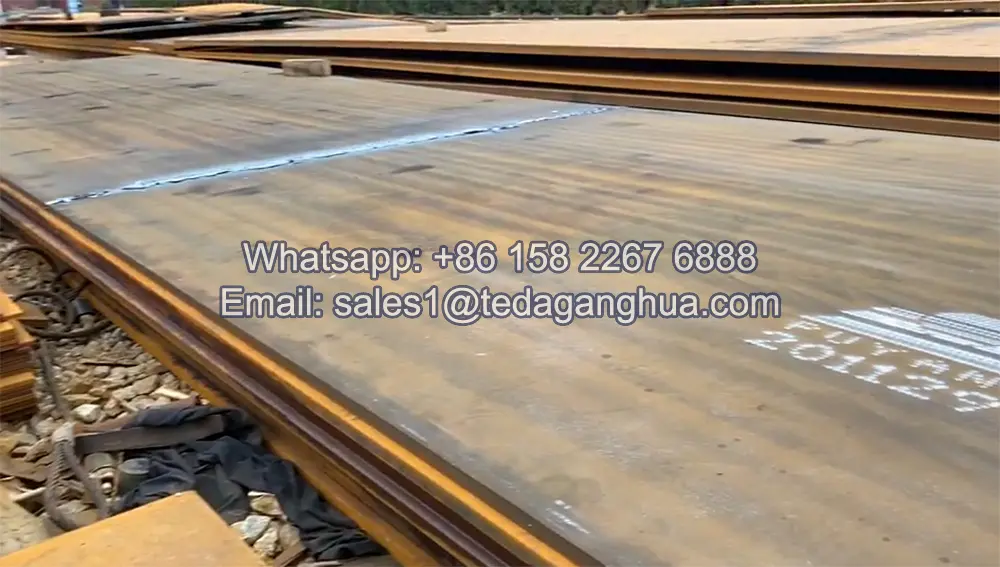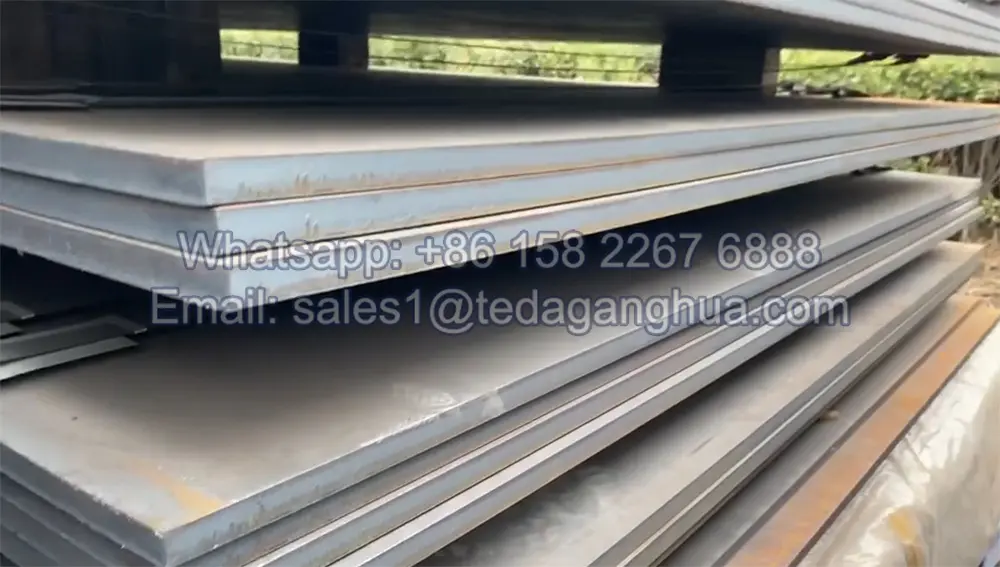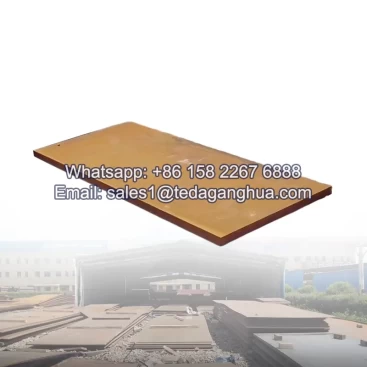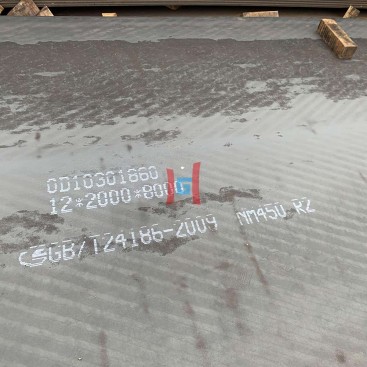
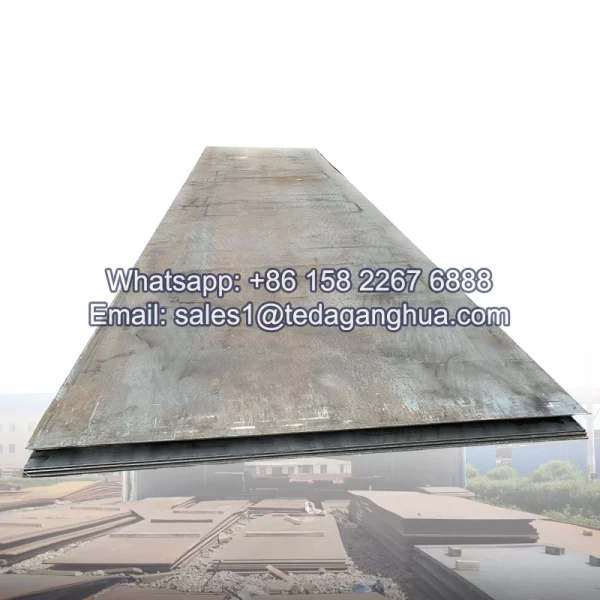
Recubrimientos resistentes al desgaste para acero

Wear resistant coatings for steel significantly enhance component durability without compromising structural integrity. Modern processing technologies such as hardfacing welding, thermal spraying, laser cladding, and PTA welding allow manufacturers to tailor surface performance to specific industrial environments.
- Descripción
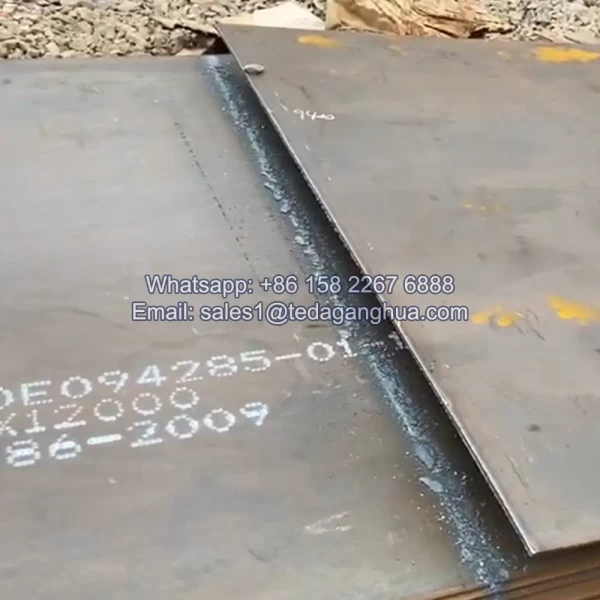
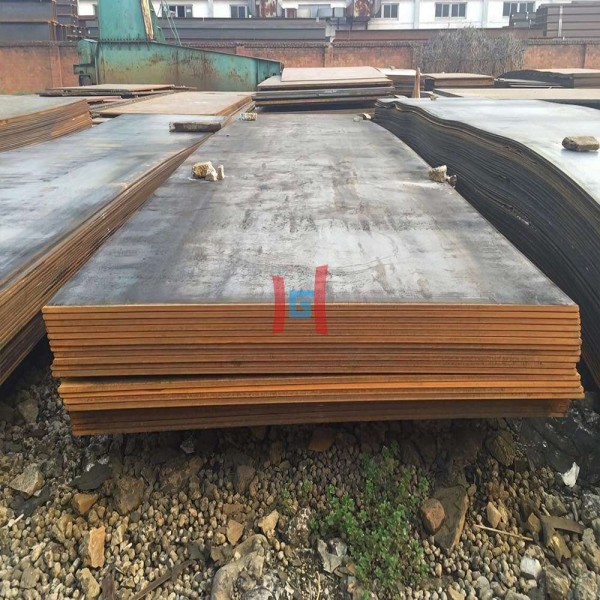
Recubrimientos resistentes al desgaste para acero. are engineered surface layers applied to improve abrasion resistance, resistencia a la erosión, and service life of steel components. Instead of replacing entire structural parts with high-hardness materials, coating technology allows manufacturers to enhance surface performance while maintaining core strength and weldability.
These coatings are widely used in mining, cemento, generación de energía, producción de acero, y manipulación de materiales a granel.
1. Soldadura de revestimiento duro (Proceso de soldadura superpuesta)
Hardfacing is one of the most common manufacturing methods for producing wear resistant coatings.
Principio del proceso:
A high-alloy welding wire or flux-cored wire is deposited onto a mild steel base plate using arc welding processes. The deposited layer contains high chromium carbides or complex alloy carbides that provide superior hardness.
Common Welding Methods:
-
Soldadura por arco sumergido (SIERRA)
-
Soldadura por arco abierto (Águila)
-
Soldadura por arco metálico con gas (GMAW)
-
Soldadura por arco con núcleo fundente (FCAW)
Características:
-
Dureza superficial: normalmente entre 55 y 65 HRC
-
Strong metallurgical bond between coating and base steel
-
Suitable for large surface areas
-
Grosor de superposición personalizable (3–20 mm or more)
Aplicaciones:
-
Revestimientos de tolva
-
Crusher components
-
Aspas del ventilador
-
Revestimientos para molinos de cemento
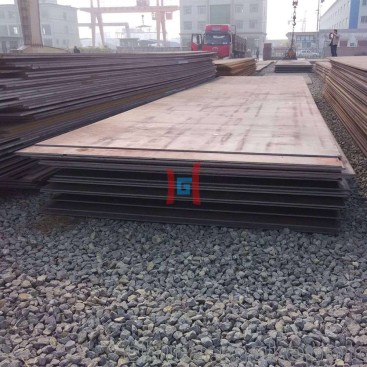
Hardfacing creates a composite wear plate with both structural strength and extreme abrasion resistance.
2. Recubrimiento por pulverización térmica
Thermal spraying applies molten or semi-molten materials onto a prepared steel surface.
Common Thermal Spray Technologies:
-
Pulverización con plasma
-
Combustible de oxígeno de alta velocidad (HVOF)
-
Flame spraying
-
Arc spraying
Process Steps:
-
Preparación de la superficie (grit blasting for roughness)
-
Heating and accelerating coating material
-
Spraying onto substrate
-
Cooling and finishing treatment
Ventajas:
-
Minimal heat input compared to welding
-
Low distortion of base metal
-
Suitable for precision components
-
Excellent resistance to abrasive and erosive wear
This method is widely used for shafts, rodillos, pump parts, and rotating equipment.
3. Revestimiento láser
Laser cladding is an advanced surface engineering technology.
Process Description:
A high-energy laser beam melts alloy powder together with a thin layer of the steel substrate, forming a dense metallurgical bond.
Características:
-
Precise heat control
-
Minimal dilution rate
-
Low deformation
-
Fine microstructure
-
Excellent bonding strength
Laser cladding allows accurate control of coating thickness and is suitable for high-value components requiring precision wear resistance.
4. Chromium Carbide Overlay Plate Manufacturing
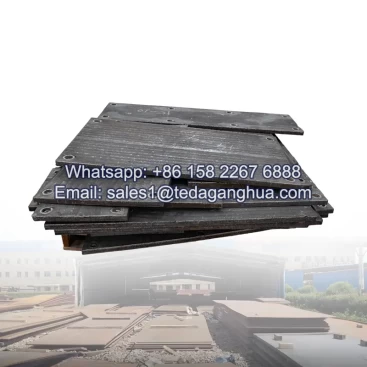
Recubrimiento de carburo de cromo (director de operaciones) plates are produced through automated welding systems.
Proceso de fabricación:
-
Base plate preparation
-
Automated multi-layer weld deposition
-
Controlled cooling
-
Surface finishing and flattening
The overlay layer contains hard chromium carbides distributed in a martensitic matrix, providing outstanding sliding abrasion resistance.
These plates are commonly fabricated into:
-
Revestimientos de tolva
-
Revestimientos transportadores
-
Pipe linings
-
Industrial wear panels
5. PTA (Arco transferido por plasma) Soldadura
PTA welding is a precision hardfacing method used for high-performance coatings.
Process Benefits:
-
Low dilution
-
Fuerte unión metalúrgica
-
Uniform coating structure
-
Excelente resistencia al desgaste y a la corrosión
PTA is commonly applied to:
-
Valve seats
-
Extruder screws
-
Rodillos
-
Heavy-duty industrial tools
6. Surface Preparation and Quality Control
Regardless of coating method, proper surface preparation is essential:
-
Degreasing
-
Sandblasting or shot blasting
-
Removal of oxides and contaminants
Quality inspection typically includes:
-
Prueba de dureza (HRC or HV)
-
Coating thickness measurement
-
Ultrasonic testing for bonding integrity
-
Visual inspection for cracks or defects
Proper process control ensures durability and consistent coating performance.
7. Selection of Coating Process
Choosing the correct wear resistant coating depends on:
-
tipo de desgaste (corredizo, impacto, erosión, o combinado)
-
Temperatura de funcionamiento
-
Required hardness level
-
Component geometry
-
Budget and production scale
General guidance:
-
Large flat structures → Overlay welding
-
Precision components → Laser cladding or HVOF
-
Severe sliding abrasion → Chromium carbide overlays
-
Impacto + abrasion → Alloy hardfacing systems