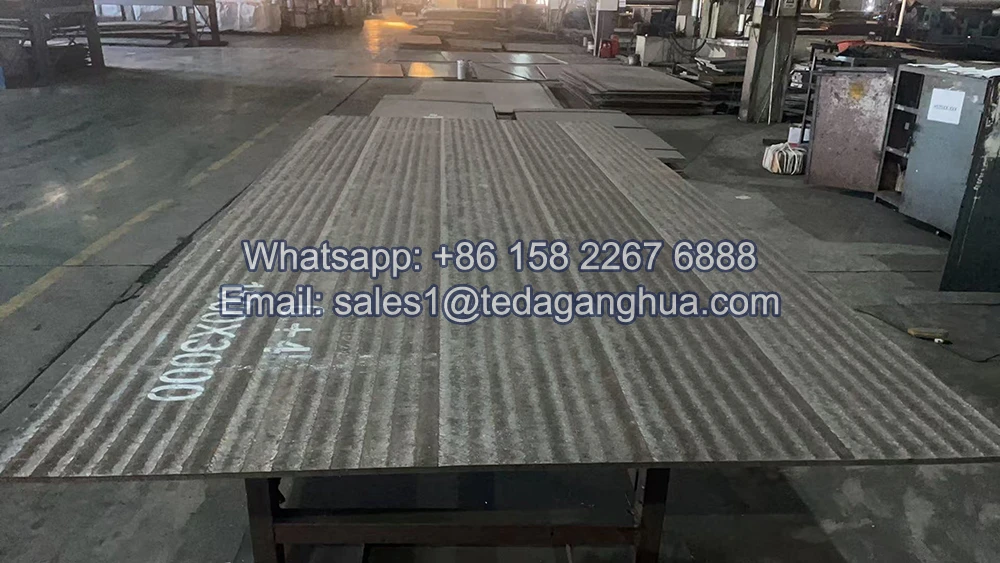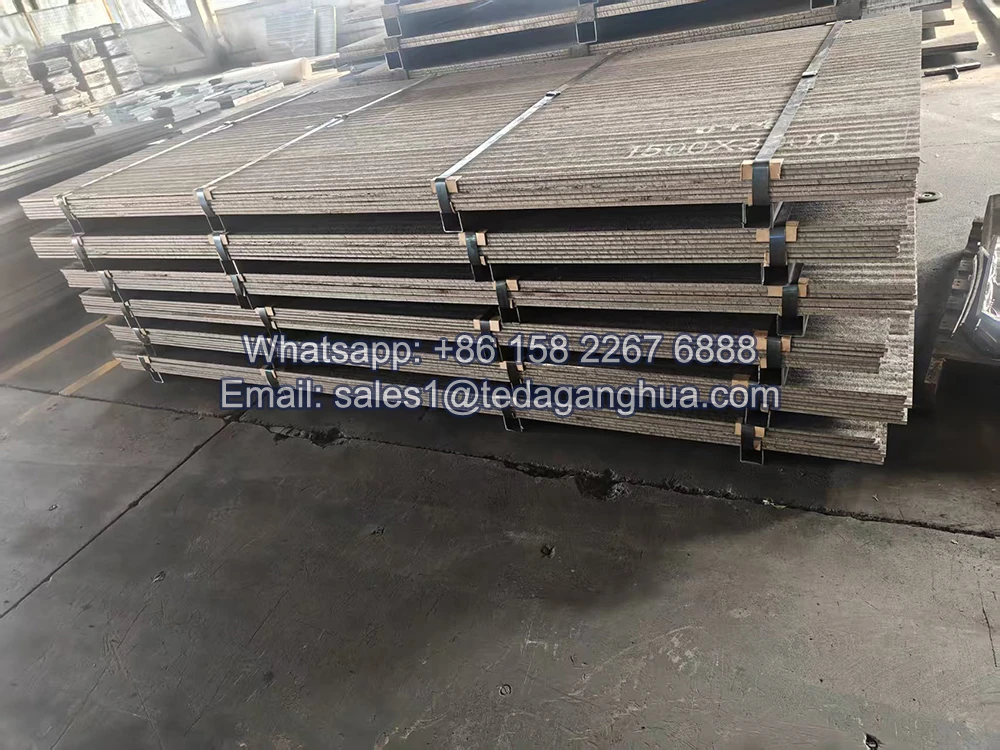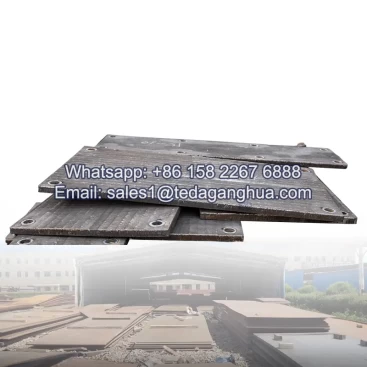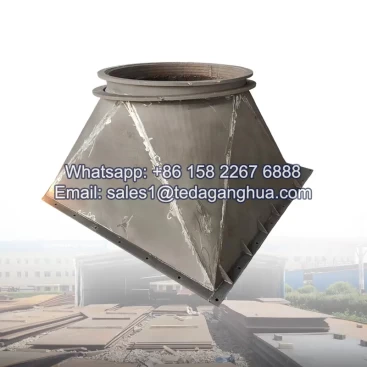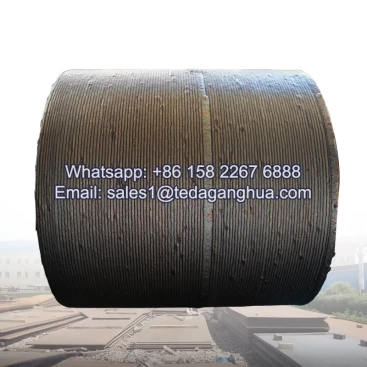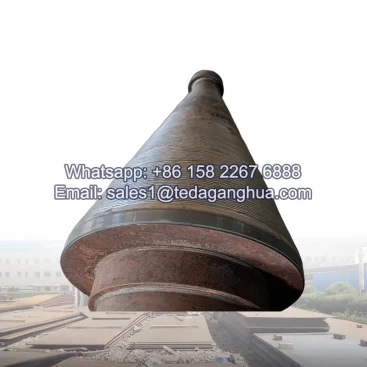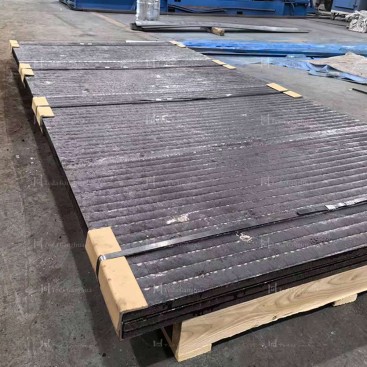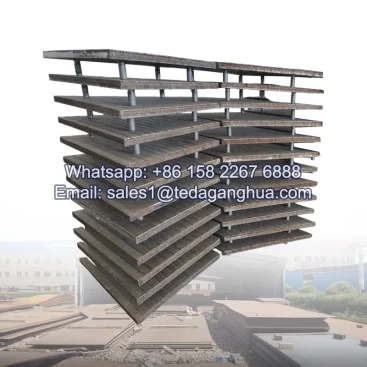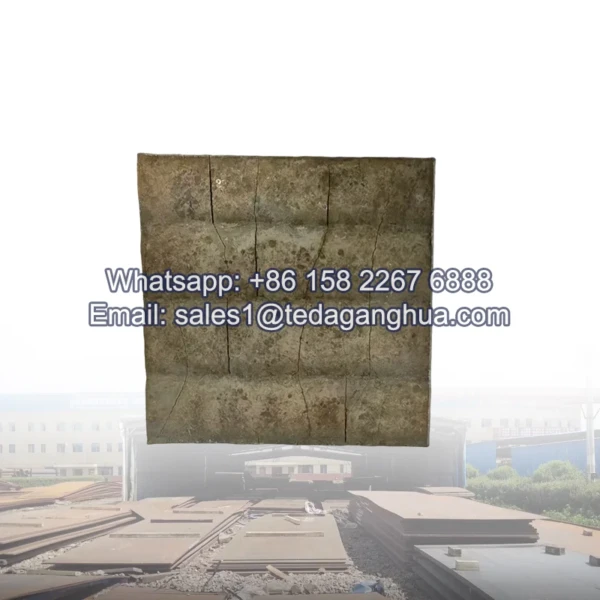
Abrasion Resistant Overlay Plate
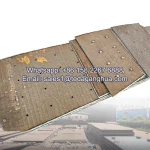
Abrasion Resistant Overlay Plate delivers superior wear resistance through a combination of high-hardness chromium carbide formation and a tough steel backing structure. Its ability to withstand sliding, impact, and erosive wear makes it an essential material for heavy-duty industrial applications where long-term durability and reliability are required.
- Description
Abrasion Resistant Overlay Plate is a composite wear-resistant steel product manufactured by depositing a high-hardness alloy layer onto a carbon steel or low-alloy steel base through welding overlay technology. Il est largement utilisé dans l'exploitation minière, ciment, production d'énergie, usines sidérurgiques, and bulk material handling systems where severe abrasive conditions occur.
The key value of this material lies in its exceptional ability to resist surface material loss caused by friction, impact, et érosion des particules.
Wear Resistance Principle
The abrasion resistance of overlay plate is achieved through a combination of hard alloy phases and a tough supporting base.
1. Renfort en carbure dur
The overlay layer contains high levels of chromium and carbon, which form extremely hard carbide phases such as:
- Cr₇C₃
- Cr₂₃C₆
These carbide particles act as rigid barriers that resist cutting and grinding from abrasive materials.
2. Dureté de surface élevée
The wear-resistant layer typically achieves:
- 55–65 HRC hardness
- High microhardness in carbide-rich zones
This significantly reduces surface material removal during friction and impact.
3. Dual-Layer Structure Support
The structure consists of:
- Hard overlay layer (résistance à l'usure)
- Tough base steel (impact absorption)
The base plate prevents cracking and deformation under mechanical load, while the overlay resists surface wear.
4. Controlled Microstructure
The weld overlay process produces a controlled distribution of carbides within a metallic matrix, assurer:
- Uniform wear resistance
- Stable mechanical performance
- Reduced localized failure
Types de résistance à l'usure
Abrasion Resistant Overlay Plate is designed to resist multiple wear mechanisms:
- Abrasion par glissement: caused by continuous material movement across the surface
- Abrasion par impact: caused by falling or striking materials
- Usure érosive: caused by high-speed particle flow
- Usure par gougeage: caused by large particle scraping
Comparaison des performances
| Propriété | Plaque de recouvrement | Standard Carbon Steel | Acier résistant à l'usure |
|---|---|---|---|
| Dureté superficielle | Très élevé | Faible | Moyen à élevé |
| Résistance à l'abrasion | Excellent | Pauvre | Bien |
| Résistance aux chocs | Moyen | Haut | Haut |
| Durée de vie | Très longtemps | Court | Long |
Key Factors Affecting Wear Performance
Composition en alliage
Higher chromium and carbon content increase carbide formation and improve wear resistance.
Épaisseur de superposition
Thicker wear layers provide longer service life under severe abrasion conditions.
Carbide Distribution
Uniform carbide dispersion ensures consistent wear performance across the surface.
Welding Process Control
Heat input and cooling rate affect hardness, crack resistance, and microstructure stability.
Applications industrielles typiques
Abrasion Resistant Overlay Plates are widely used in:
- Revêtements pour équipement minier
- Goulottes et trémies pour cimenterie
- Systèmes de manutention du charbon
- Systèmes de cendres de centrales électriques
- Steel mill conveyors
- Crusher and screening equipment
- Godets d'excavatrices et camions-bennes
- Systèmes de transfert de matériaux en vrac
Avantages en utilisation industrielle
- Extremely high resistance to abrasive wear
- Longue durée de vie dans des conditions difficiles
- Maintenance et temps d'arrêt réduits
- Customizable overlay composition
- Liaison métallurgique forte avec plaque de base