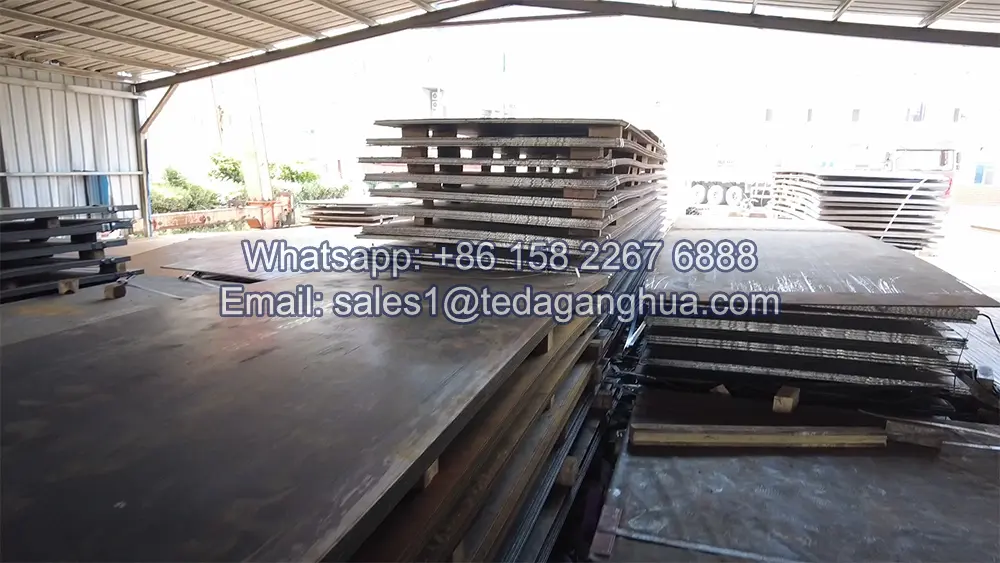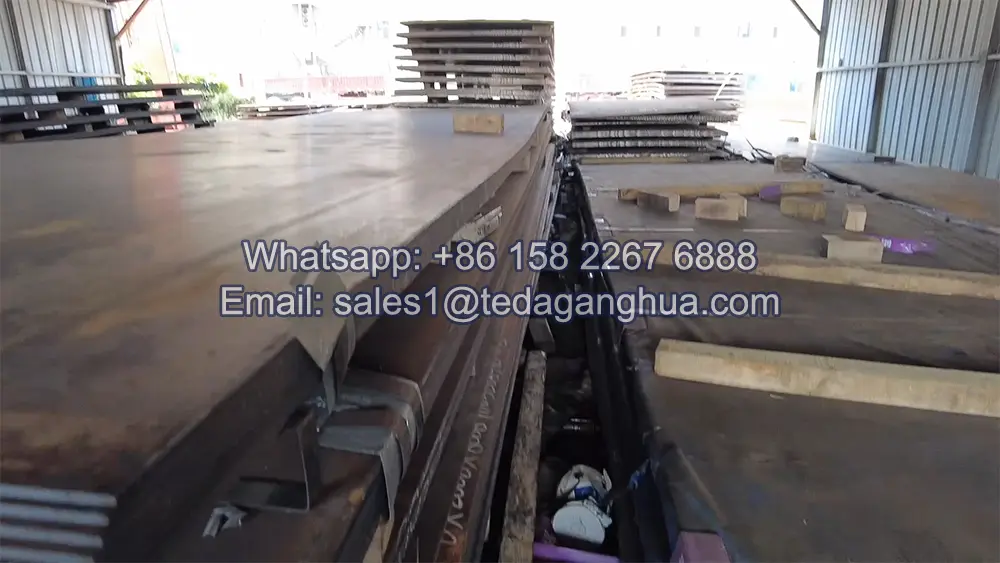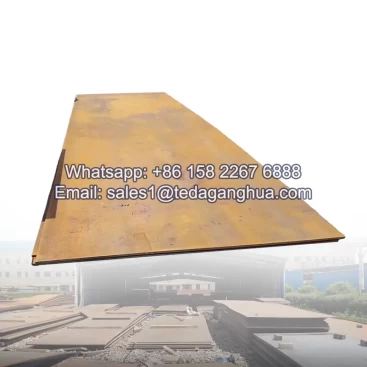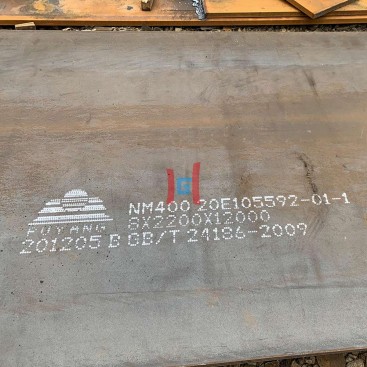

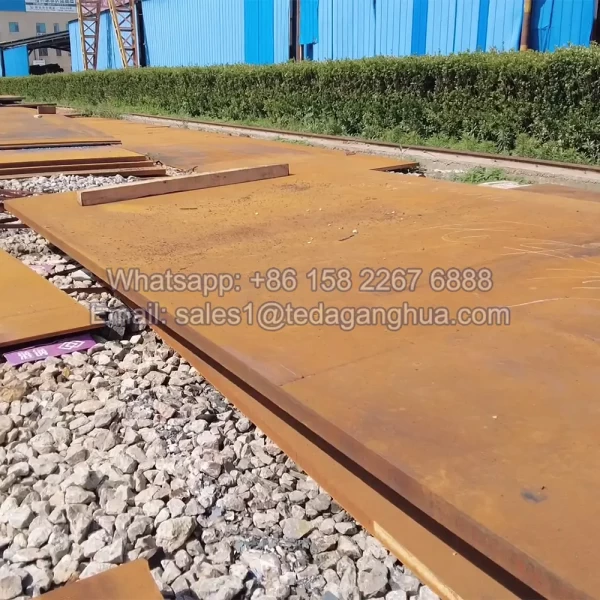
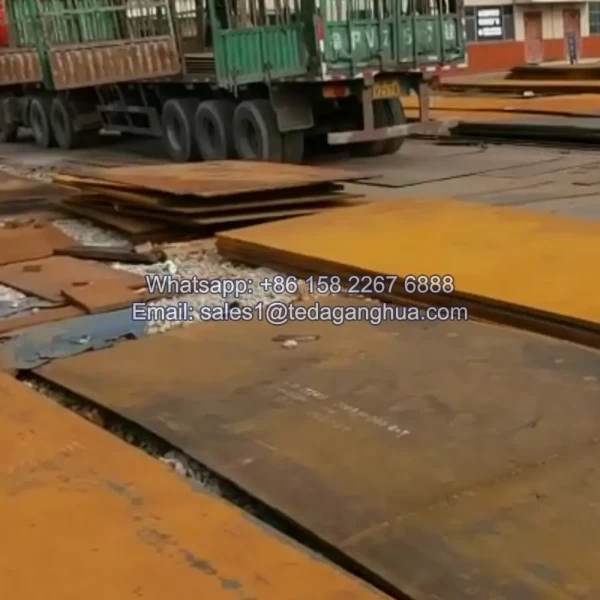
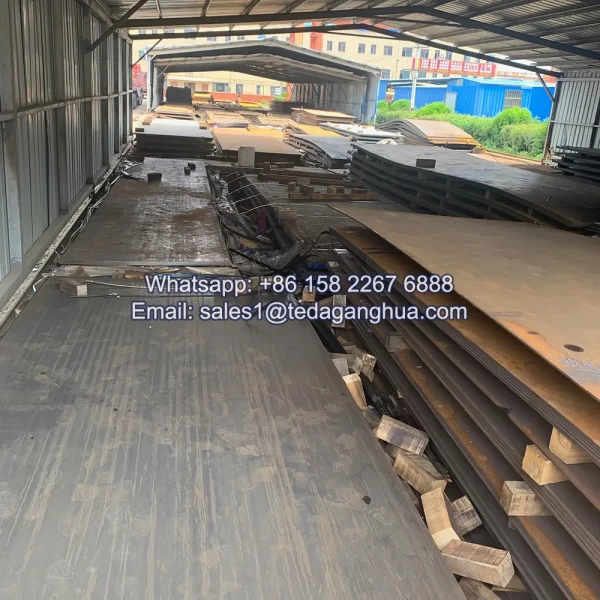
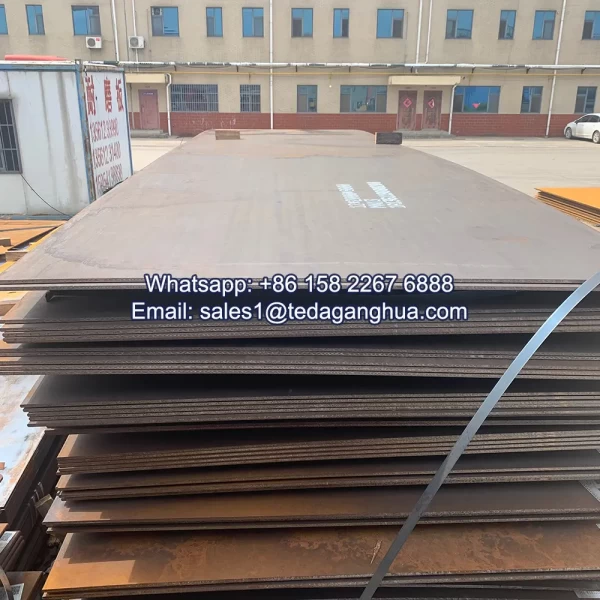
NM400

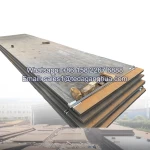
NM400 and NM500 are both high-performance wear resistant steel plates within the NM series.
-
NM400 provides excellent balance between wear resistance, kekerasan, dan kemampuan kerja.
-
NM500 offers significantly higher hardness and abrasion strength for demanding environments.
Material selection should be based on abrasion severity, beban dampak, fabrication requirements, and expected service life to ensure optimal performance and cost efficiency.
- Keterangan
NM400 is a high-strength abrasion resistant steel plate widely used in mining, konstruksi, semen, and heavy machinery industries. It is produced through quenching and tempering processes to obtain a martensitic microstructure, providing a balanced combination of hardness, kekerasan, dan kemampuan las.
NM500 belongs to the same wear resistant steel series but offers higher hardness and stronger abrasion resistance. Below is a detailed comparison between NM400 and NM500 in terms of chemical composition and wear strength.
1. Perbandingan Komposisi Kimia (Kisaran Khas, %)
The exact composition varies slightly depending on thickness and production process, but the typical ranges are:
| Elemen | NM400 (%) | NM500 (%) | Function in Steel |
|---|---|---|---|
| Karbon (C) | 0.17–0.24 | 0.20–0.28 | Meningkatkan kekerasan dan kekuatan |
| mangan (M N) | 0.70–1.60 | 0.70–1.60 | Meningkatkan kemampuan pengerasan dan ketangguhan |
| Silikon (Dan) | ≤0,50 | ≤0,50 | Strengthens matrix |
| Kromium (Kr) | 0.30–1.00 | 0.40–1.20 | Meningkatkan ketahanan aus |
| Nikel (Di dalam) | ≤1.00 | ≤1.00 | Meningkatkan ketangguhan dampak |
| Molibdenum (Mo) | ≤0,50 | ≤0,70 | Meningkatkan pengerasan |
| Boron (B) | Jejak | Jejak | Secara signifikan meningkatkan kemampuan pengerasan |
Key Composition Differences:
-
NM500 generally has slightly higher carbon and alloy content.
-
Higher alloying improves hardenability and final hardness.
-
Both grades maintain low impurity levels for better toughness and weldability.
2. Hardness and Wear Resistance Comparison
Hardness is the primary indicator of abrasion resistance.
| Milik | NM400 | NM500 |
|---|---|---|
| Kekerasan Brinell (PBR) | 370–430 | 470–540 |
| Kekuatan Hasil (MPa, kira-kira.) | ≥1000 | ≥1250 |
| Kekuatan Tarik (MPa, kira-kira.) | 1200–1600 | 1400–1800 |
| Ketangguhan Dampak | Bagus | Sedang hingga baik |
| Ketahanan Aus Relatif | 1.0 (baseline) | ~1.2–1.5 times NM400 |
Wear Strength Comparison
NM500 offers approximately 20–50% higher abrasion resistance than NM400 under similar working conditions.
This improvement comes from:
-
Kekerasan yang lebih tinggi
-
More stable martensitic structure
-
Improved alloy hardenability
Namun, higher hardness slightly reduces ductility and increases forming difficulty compared to NM400.
3. Perbandingan Aplikasi
NM400 – Balanced Performance
Cocok untuk:
-
Bucket pemuat
-
Badan truk sampah
-
Liner konveyor
-
gerbong
-
Dampak sedang + abrasion environments
Keuntungan:
-
Kemampuan las yang baik
-
Easier bending and processing
-
Solusi hemat biaya
NM500 – Severe Abrasion Environments
Cocok untuk:
-
Lapisan penghancur
-
Mining wear plates
-
High-wear chutes
-
Heavy-duty earthmoving equipment
Keuntungan:
-
Longer service life in sliding abrasion
-
Reduced replacement frequency
-
Better performance in high-wear conditions
4. Processing Considerations
| Faktor | NM400 | NM500 |
|---|---|---|
| Pemotongan | Lebih mudah | Requires more power |
| Pembengkokan | Sifat mampu bentuk yang baik | Limited bending radius required |
| Pengelasan | Standard preheat control | Stricter preheat recommended |
| permesinan | Moderate difficulty | Higher tool wear |
NM400 is more fabrication-friendly, while NM500 prioritizes maximum wear resistance.
5. Selection Guidelines
Memilih NM400 Kapan:
-
Balanced wear and toughness are required
-
Forming and welding are important
-
Moderate abrasion dominates
Memilih NM500 Kapan:
-
Severe sliding abrasion is the main wear mechanism
-
Longer service life is critical
-
Fabrication complexity is acceptable