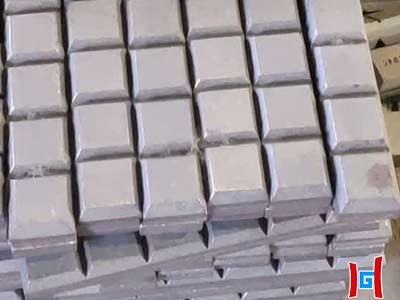
High Chromium Cast Iron Composite
Wear-Resistant Material Panoramica
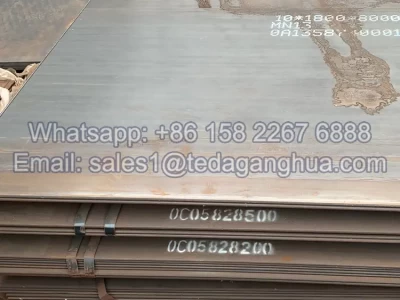
High chromium cast iron is a third-generation wear-resistant material. It offers high hardness with some toughness.
Tuttavia, cracks and breakage have often been seen due to low toughness. To fix this, a new composite method has been used.
Composite Material Innovation
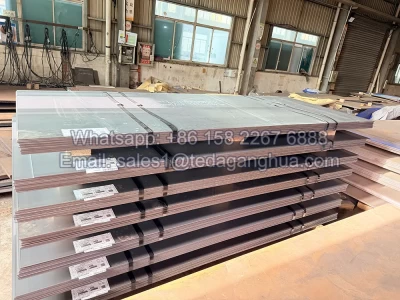
A layer of carbon steel is added under the high chromium cast iron. This steel base is tough and absorbs impact.
Di conseguenza, the whole material becomes tougher while keeping its hardness and wear resistance.
✅ Caratteristiche principali:
-
Forza di legame: Sopra 300 MPa
-
Surface hardness: Sopra 63 HRC
-
Resistenza all'impatto: Sopra 140 J/cm²
-
Easy to weld, screw, or cut
Technical Features
🔥 High-Temperature Furnace Compounding
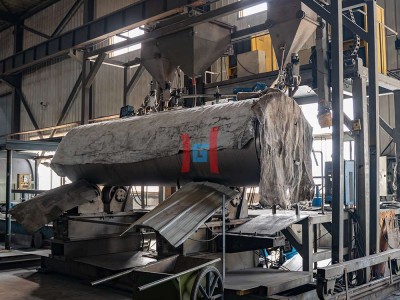
A special furnace process removes chromium oxide from the surface. It bonds the layers tightly and lowers stress by slow cooling.
🔬 Microstructure Adjustment
Heat treatment changes the structure:
-
Top Layer (Cast Iron): Martensite, residual austenite, and fine carbides
-
Strato di base (Acciaio): Pearlite and ferrite
⚙️ Performance Design
The thickness of each layer can be changed to match different uses. This helps balance wear resistance and structure.
💪 Overall Performance
This material performs better than single-layer materials. It offers:
-
Elevata durezza superficiale (HRC > 63)
-
Strong layer bonding (> 200 MPa)
-
High impact toughness (> 140 J/cm²)
Technical Principles
📉 Wear Behavior
The wear process follows the PARIS formula:
da/dN = C(ΔK)^n and h = Gb / 4π(1-γ)σf
⚙️ Functional Gradient Design
-
Hard top layer: High chromium cast iron
-
Tough base: Acciaio
-
Smooth transition: Multi-layer alloy layer (meno di 0.5 mm di spessore)
Product Innovation
💡 Hardness + Toughness Combined
The new material solves the old problem of poor toughness. A strong bond is created using a gradual transition layer.
🏭 Applications
This material is used in:
-
Estrazione
-
Metallurgia
-
Centrali elettriche
-
Impianti di cemento
-
Sugar factories
-
Brick making
-
Roadwork
It helps reduce metal loss from wear.
🛠 Production Advantage
Compared to traditional welding and casting, this method:
-
Removes dilution layers
-
Improves bonding
-
Reaches shear strength up to 300 MPa