

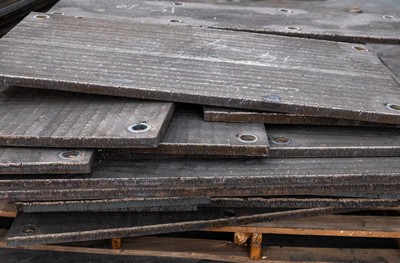
Fattori principali che influenzano il prezzo delle piastre resistenti all'usura composita
The price of composite wear-resistant plates is mainly affected by materials used, processo di produzione, E product specifications. These factors can cause large differences in cost.
1. Material and Composition
● Ordinary Materials
-
When carbon steel is used as the base material and the strato resistente all'usura contains low to moderate alloy content, the price is usually lower.
-
Estimated price: ¥3,500–¥5,500 per ton.
-
These plates are commonly used in general industrial applications.
● High-Alloy Materials
-
When high-chromium alloys O carburo di cromo are used, the alloy content is higher.
-
Estimated price: ¥8,000–¥12,000 per ton, or more.
-
These plates are highly resistant to wear and impact.
-
They are often used in mines, macchinari pesanti, E harsh environments.
2. Production Process
● Overlay Welding
-
In this process, wear-resistant alloy is saldato onto the steel plate.
-
It requires skilled labor, advanced equipment, E more energy.
-
Estimated price: ¥6,000–¥10,000 per ton.
● Hot Rolling
-
In this method, two metals are combined under heat and pressure.
-
It has high efficiency E lower ongoing costs, though initial investment is high.
-
Estimated price: ¥4,000–¥7,000 per ton.
3. Specifications and Sizes
● Thickness
-
Thicker plates require more materials E complex processing.
-
Plates below 6mm are more affordable.
-
Plates above 20mm can be significantly more expensive.
● Area and Size
-
Larger plates require advanced equipment and increase transportation and installation costs.
-
Dimensioni personalizzate are more expensive due to extra processing.
Performance of Composite Wear-Resistant Steel Plates
Composite wear-resistant plates have proven reliable in many industries over the years. Their main features include:
-
Elevata resistenza all'usura
-
Strong impact resistance
-
High temperature resistance
-
Buona saldabilità
These plates can be:
-
Cut, piegato, E saldato
-
Connected using saldatura, bolting, O plug welding
-
Easily maintained on site, saving time
They are widely used in:
-
Metallurgia
-
Cemento
-
Estrazione
-
Carbone
-
Electric power
-
Ports and terminals
➡️ Compared to other materials, these plates offer excellent cost performance and help reduce long-term operating costs.
Condividi questo post

Imparentato Messaggi
Gradi in acciaio resistenti all'usura: Vantaggi chiave
Advantages of Our Wear-Resistant Steel Grades Hardness Range: Da 250 Hb a 61 HRC, Garantire la durata per varie applicazioni. Versatile... leggi di più
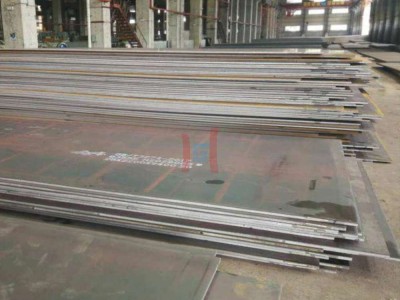
Elenco delle scorte di lamiere di acciaio resistenti all'abrasione
Elenco di scorte di lamiera d'acciaio resistente all'abrasione come seguente : Material Size/mm Sheet Warehouse Whatsapp NM450 3*1500*6000 50 Acciaio metallico teda +86 15822676888 NM450 3*1500*8000 10 Acciaio metallico teda +86 15822676888 NM450 4*1800*6500 26 Acciaio metallico teda +86 15822676888 NM450 4*1800*6800 11 Acciaio metallico teda +86... leggi di più
Metodi di installazione delle piastre antiusura: Confronto tra connessione a bullone e saldatura a spina
Wear-Resistant Liner Plate Installation Tips: Bolt Connection vs Plug Welding Process Comparison Wear-resistant liner plates are widely used in mining equipment,... leggi di più
Piastra in acciaio resistente all'usura NM400: acciaio resistente all'usura tenacità agli urti e zona sweet spot Compromesso tra durezza e tenacità negli acciai resistenti all'usura
Nella selezione dei materiali resistenti all'usura, gli ingegneri si trovano costantemente ad affrontare una contraddizione fondamentale: una maggiore durezza migliora la resistenza all'abrasione, ma una minore tenacità aumenta il.... leggi di più

Confronto tra piastre in acciaio resistenti all'usura NM500 e AR500
Comparison of NM500 and AR500 Wear-Resistant Steel Plates NM500 Steel Plate Origin: NM indica "resistente all'usura" secondo lo standard cinese GB/T24186. Proprietà: ... leggi di più
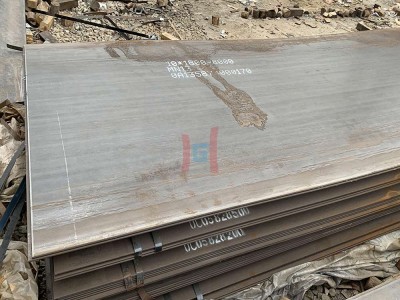
Proprietà e vantaggi dell'acciaio ad altissimo contenuto di manganese
Properties and Advantages of Ultra-High Manganese Steel Composition and Properties Ultra-high manganese steel is an advanced version of Mn13 steel, con aumento... leggi di più
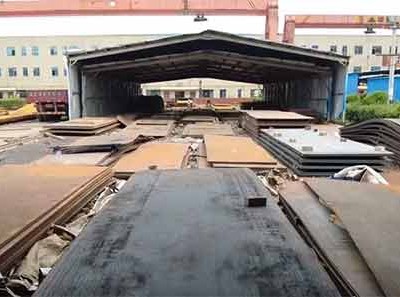
Piastre in acciaio resistenti all'usura alta MN13
Mn13 High Manganese Wear-Resistant Steel Plates Mn13 is a high manganese steel widely recognized for its exceptional wear resistance and ability... leggi di più
NM400 vs NM450 vs NM500 Acciaio resistente all'usura: Livelli di durezza, Confronto delle prestazioni & Applicazioni industriali
Nelle applicazioni industriali in acciaio resistente all'usura, la scelta del grado di durezza corretto è il fattore più critico che influisce sulla durata di servizio, efficienza dei costi,... leggi di più
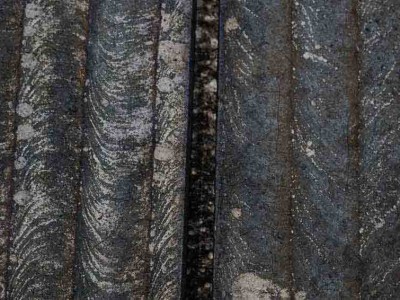
Perché lo strato di sovrapposizione di saldatura si stacca dal materiale di base?
Lo strato di overlay di saldatura è uno strato in lega speciale applicato per riparare superfici usurate o screpolate. È comunemente usato ... leggi di più
Piastra in acciaio composito resistente all'usura: Una soluzione avanzata
Piastra in acciaio composito resistente all'usura: An Advanced Solution Introduction In industrial manufacturing, l'usura delle parti meccaniche è una delle principali cause di guasto delle apparecchiature.... leggi di più