

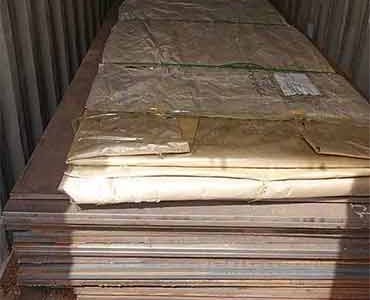
Saldatura sovrapposta: Una panoramica
1. Introduzione
Overlay welding is a process where a material with specific properties is deposited onto a weldment surface. Unlike conventional welding, its purpose is not to join materials but to create a layer with properties such as wear resistance, resistenza al calore, e resistenza alla corrosione. This technique is widely used in manufacturing and repair to restore or enhance component dimensions.
2. Metals Used in Saldatura sovrapposta
The choice of metal for overlay welding depends on the weldment’s usage conditions, saldabilità, ed efficienza in termini di costi. Common overlay welding metals include:
- Iron-Based Metals
- Pearlite Steel: Offers good weldability and impact resistance; used for repairing shafts.
- Austenitic Steel: High impact toughness; used in mining carts and railway turnouts.
- Acciaio martensitico: Elevata durezza e resistenza all'usura; suitable for gears and tractor chassis.
- Alloy Cast Iron: Resistant to heat and corrosion; used in agricultural and mining equipment.
- Nickel-Based Metals
- Nickel-Chromium-Boron-Silicon Alloys: Excellent resistance to wear and corrosion; used in high-temperature environments.
- Nickel Alloys with Intermetallic Compounds: Elevata durezza; suitable for severe corrosive conditions.
- Carbide-Containing Nickel Alloys: A cost-effective alternative to cobalt-based alloys.
- Cobalt-Based Metals
- Cobalt-Chromium-Tungsten Alloys: Maintain high strength at 650°C; commonly used in high-temperature applications.
- Copper-Based Metals
- Includes bronze, brass, and nickel silver; suitable for bearings and valve sealing surfaces.
- Carbide Surfacing Metals
- Used for components subject to extreme wear, such as oil well drill bits and road construction machinery.
3. Overlay Welding Methods
Several techniques are used for overlay welding, each with unique advantages:
Oxygen-Acetylene Surfacing
- Ideal for small weldments requiring smooth surfaces.
- Simple and cost-effective but labor-intensive.
- Suitable for surfacing valves, drill bits, and plowshares.
Arc Welding
- Inexpensive and versatile; commonly used for field applications.
- Produces high heat concentration with minimal deformation.
- Commonly used for repairing worn parts.
Submerged Arc Surfacing
- High efficiency and automatic operation.
- Suitable for large components, such as corrosion-resistant layers in containers.
- Requires preheating and slow cooling to prevent cracking.
Other methods include gas tungsten arc surfacing, plasma arc surfacing, electroslag surfacing, laser surfacing, and friction surfacing, each suited for specific applications.
Conclusione
Overlay welding plays a crucial role in extending the lifespan and enhancing the performance of industrial components. By selecting the appropriate material and welding method, industries can achieve cost-effective solutions for wear, corrosion, and high-temperature resistance.
Condividi questo post

Imparentato Messaggi
Differenza tra piastra in acciaio resistente all'usura e piastra in acciaio composito resistente all'usura
Confronto tra piastre in acciaio resistenti all'usura Introduzione L'acciaio resistente all'usura è un tipo di acciaio progettato per un'elevata durabilità e resistenza all'usura. Esso... leggi di più

Cos'è la piastra di rivestimento bimetale ad alto cromo
Composizione in lega: Carbonio: 5.0% Cromo: 27-30% Matrice martensitica con sopra 60% Carburi tipo Cr7C3. Durezza: Durezza macroscopica dello strato in lega: HRC 57-65. Durezza in carburo: alta tensione 1400-1800. Indossare... leggi di più
Caratteristiche della piastra di rivestimento bimetallica ad alto contenuto di cromo
Features of High Chromium Bimetal Cladding Plate High chromium bimetal cladding composite wear-resistant steel plate is the current mainstream in wear-resistant... leggi di più

Cos'è l'acciaio resistente all'usura?
Understanding Wear in Steel Wear occurs when steel surfaces rub against each other over time. Può essere intenzionale o non intenzionale. ... leggi di più
Tagliare l'acciaio ad alto manganese
Overview High manganese steel is commonly used for wear-resistant parts in engineering machinery, soprattutto sotto impatto o pressione. Anche se è... leggi di più
Tubi in acciaio composito resistenti all'usura
1. Introduzione L’usura è un problema importante in molti settori. Le macchine e le tubazioni spesso si consumano rapidamente, ridurre l'efficienza e aumentare.... leggi di più

Piastra di rivestimento in carburo di cromo vs. Piastra in acciaio ordinaria resistente all'usura
Le piastre resistenti all'usura sono fondamentali per proteggere le apparecchiature in ambienti industriali difficili. Two common choices are chromium carbide cladding plates and... leggi di più
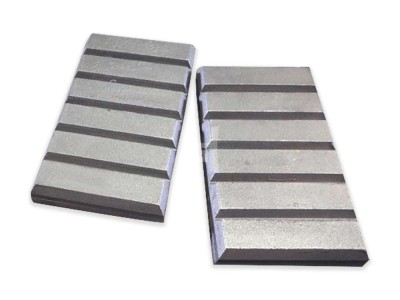
Blocchi e piastre resistenti all'usura ad alto contenuto di cromo
BTMCr26 and BTMCr32 Specifications BTMCr26 High Chromium Wear-Resistant Block: BTMCr26 è noto per la sua durata e resistenza all'usura. BTMCr32 High Chromium Coal Mill... leggi di più
Piastra antiusura al manganese: Acciaio ad alto contenuto di manganese per usura e impatto estremi
Piastra antiusura al manganese, realizzato in acciaio ad alto contenuto di manganese (Acciaio Hadfield), è un tipo specializzato di acciaio ampiamente utilizzato nelle industrie.. leggi di più
Come trasportare e confezionare piastre e bobine in acciaio
Package Steel Plates and Coils Steel plates and coils must be carefully packaged for protection during storage and transport. With rising... leggi di più