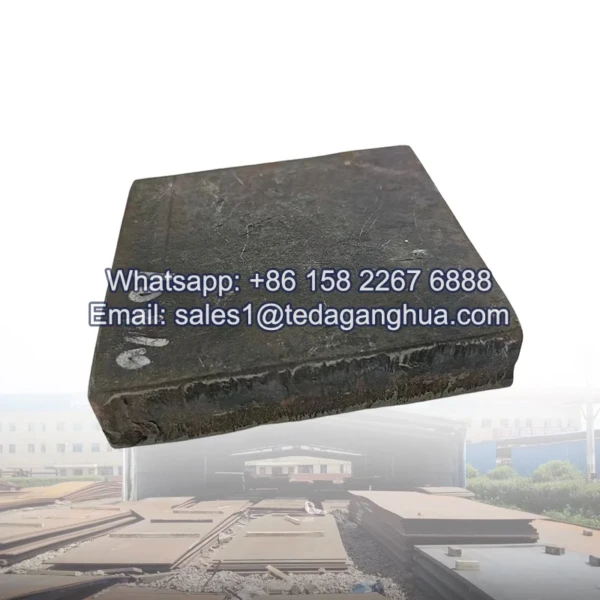
Carbide Wear Plate


In Carbide Wear Plate, chromium is a critical alloying element with typical content ranging from 15% A 35% in the hardfacing layer. It forms hard chromium carbides that significantly enhance wear resistance and surface durability.
- Descrizione
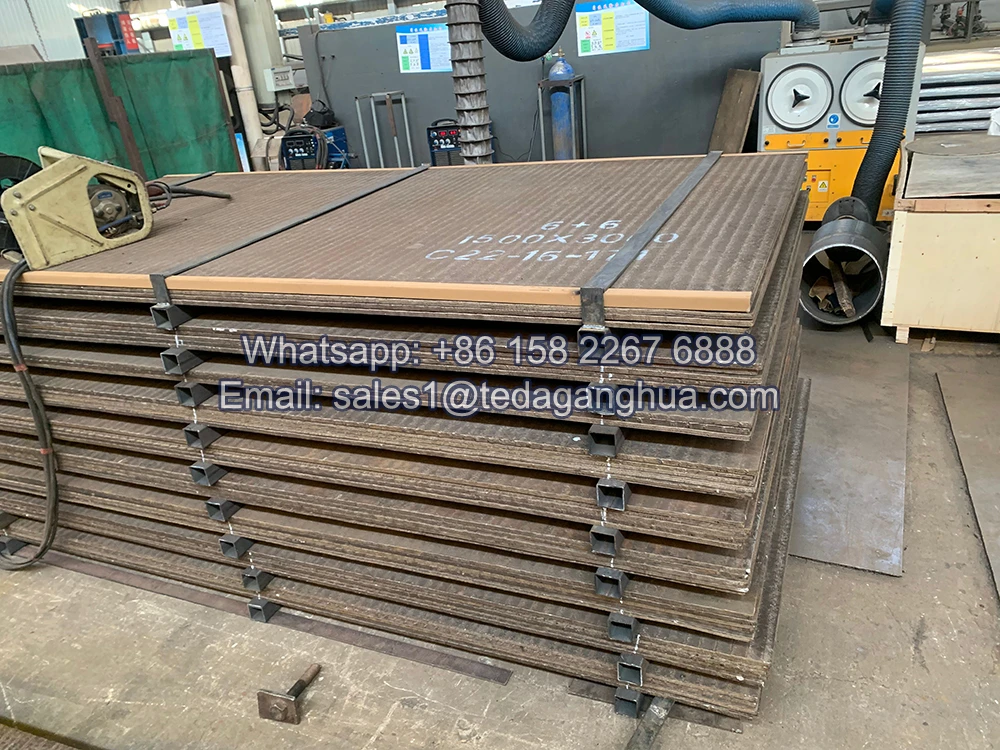
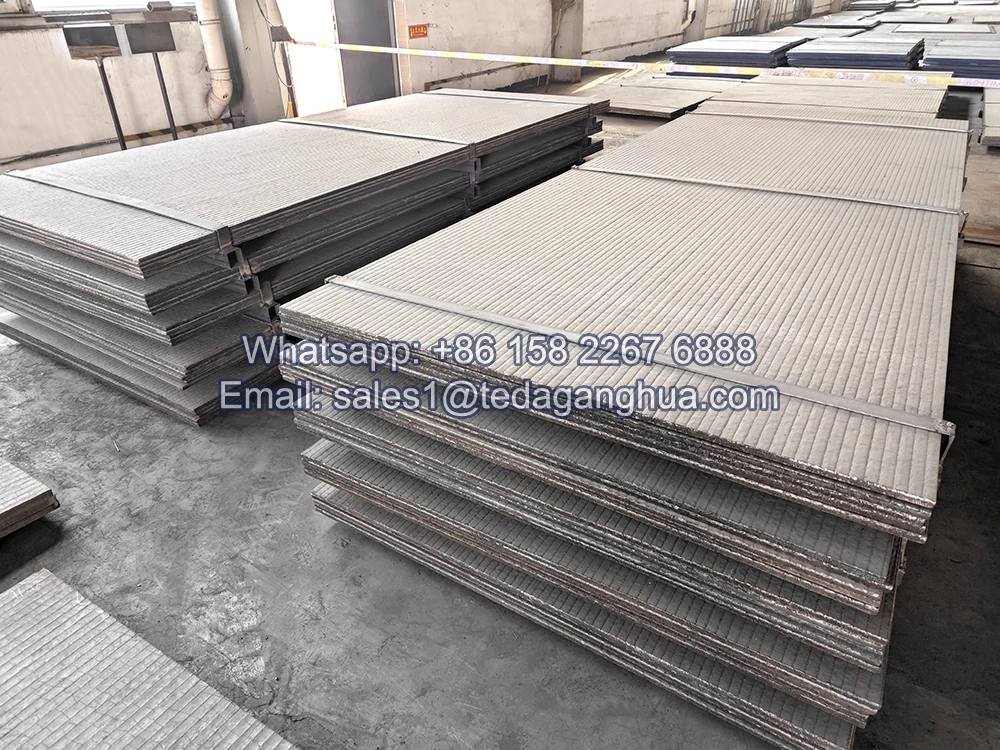
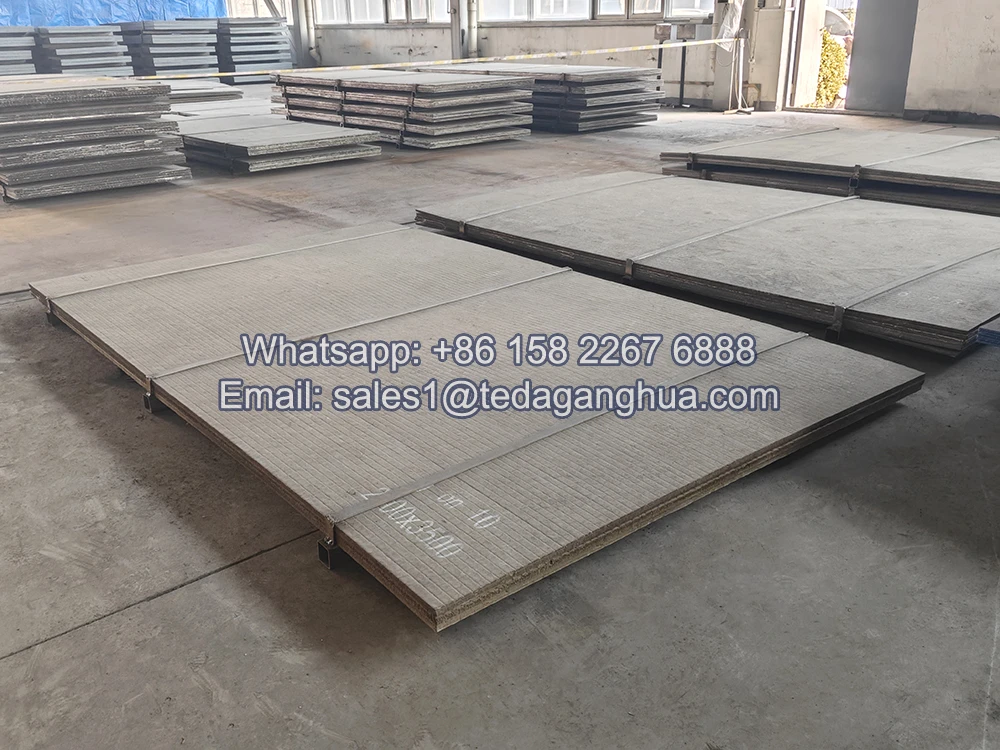
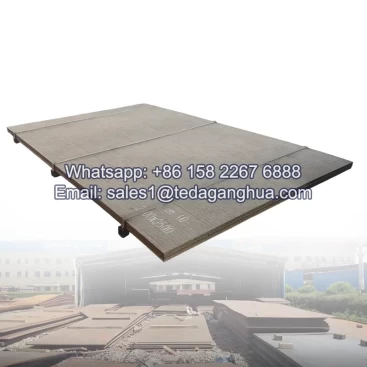
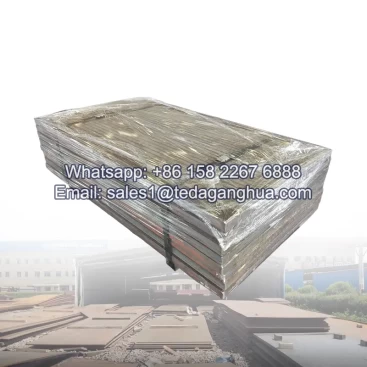
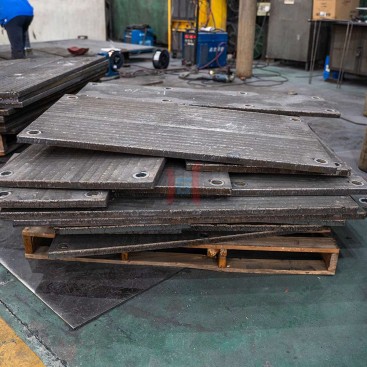
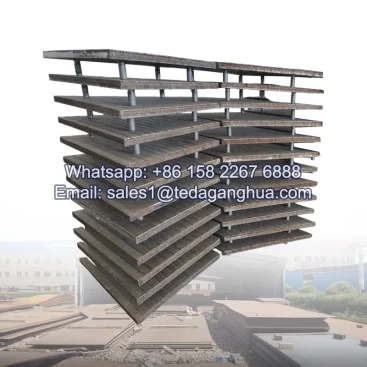
Carbide Wear Plate is a wear-resistant steel plate produced by depositing a hardfacing alloy layer onto a steel base through welding. One of the most important alloying elements in the overlay layer is chromium, which plays a key role in forming carbide structures and improving wear resistance.
The chromium content directly affects hardness, resistenza all'abrasione, and service life of the plate.
Chromium Content in Carbide Wear Plate
The chromium content in the weld overlay layer is typically high compared with standard steels.
Common chromium range:
- Generally 15% – 35% contenuto di cromo in the hardfacing layer
- Some high-wear applications may use even higher chromium levels depending on design requirements
This high chromium content is essential for carbide formation during solidification.
Role of Chromium in the Metal Structure
Chromium is the key element responsible for wear resistance in carbide wear plates.
1. Formation of Hard Carbides
Chromium reacts with carbon during welding to form hard carbide phases such as:
- Carburo di cromo (Cr₇C₃)
- Chromium-rich complex carbides
These carbides are extremely hard and resist abrasion effectively.
2. Improvement of Surface Hardness
Higher chromium content increases the volume of carbide particles, which significantly improves surface hardness and wear resistance.
3. Resistenza alla corrosione e all'ossidazione
Chromium also enhances resistance to oxidation and mild corrosion, especially in high-temperature environments such as cement plants and power stations.
4. Microstructure Stability
Chromium stabilizes the alloy matrix, helping maintain consistent performance under repeated impact and wear conditions.
Effect of Chromium Content Level
| Chromium Level | Performance Characteristic | Tipo di applicazione |
|---|---|---|
| 15% – 20% | Durezza e tenacità bilanciate | Applicazioni di usura generale |
| 20% – 28% | Elevata resistenza all'usura | Mining and cement equipment |
| 28% – 35% | Estrema resistenza all'abrasione | Ambienti soggetti a usura severa |
Higher chromium content generally improves wear resistance but may reduce toughness if not properly balanced with other alloy elements.
Balance with Other Alloying Elements
In carbide wear plates, chromium works together with:
- Carbonio: forms carbide structures
- Manganese: improves toughness
- Iron matrix: provides structural support
This balance ensures both hardness and impact resistance.