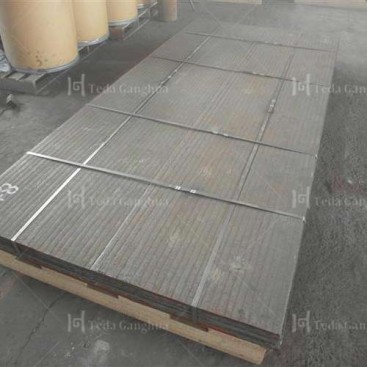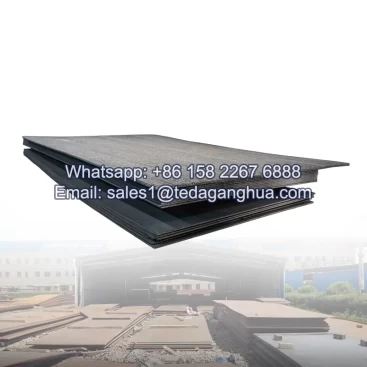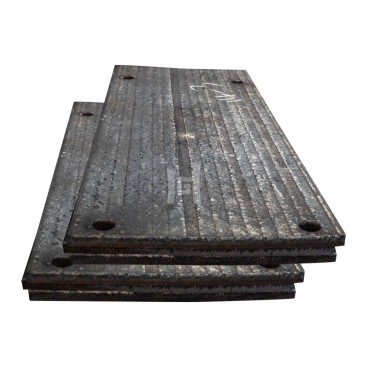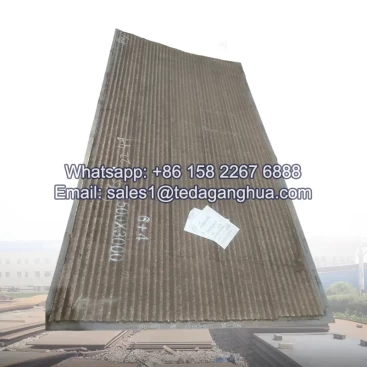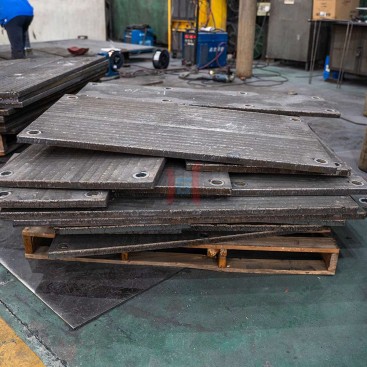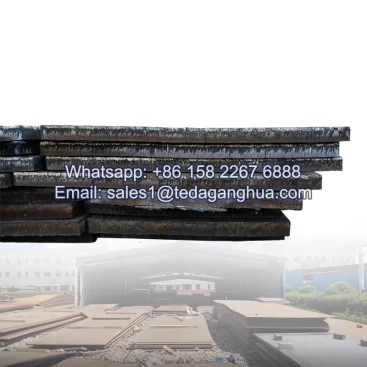
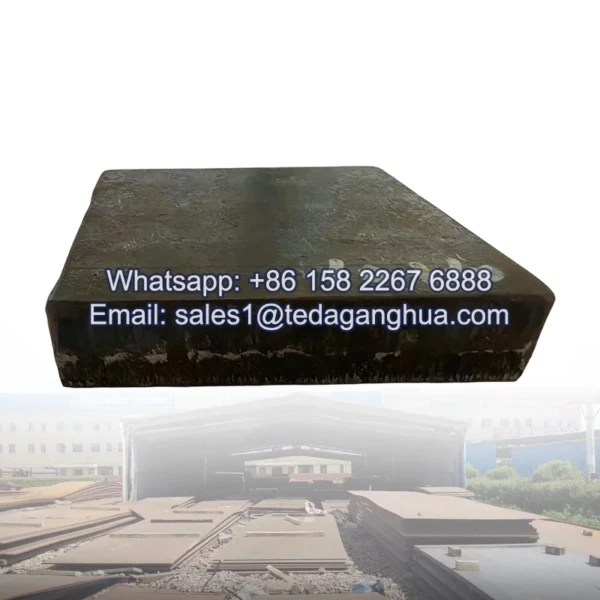
Piastra di sovrapposizione della saldatura

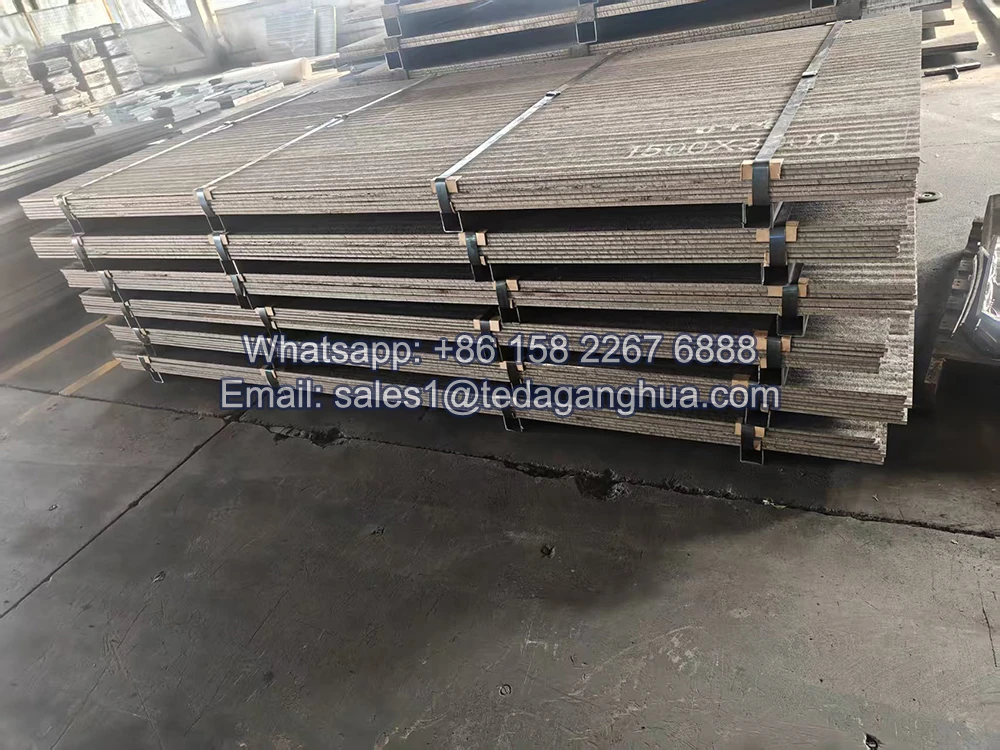
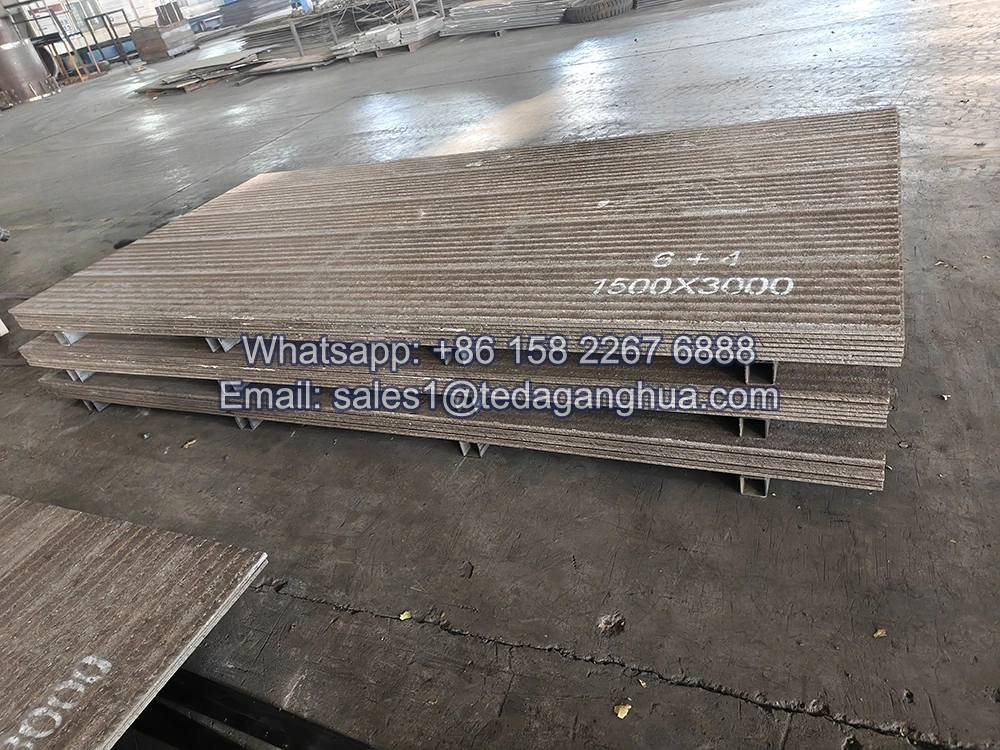
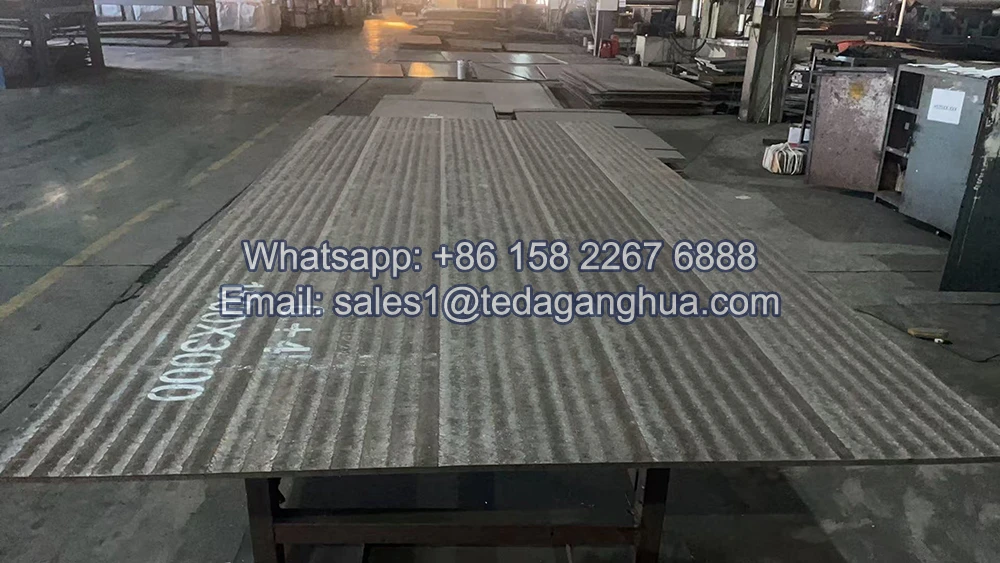
Piastra di sovrapposizione della saldatura is produced through a controlled hardfacing welding process that deposits a wear-resistant alloy layer onto a steel base plate. This process creates a strong combination of toughness and extreme surface hardness.
- Descrizione
Piastra di sovrapposizione della saldatura is a type of wear-resistant steel plate produced by depositing a hard, wear-resistant alloy layer onto a carbon steel base plate through a welding process. This product is widely used in mining, cemento, centrali elettriche, and heavy industrial environments where severe abrasion occurs.
The key value of weld overlay plate lies in its manufacturing process, which combines a tough base plate with a high-hardness surface layer.
Preparazione della piastra di base
The production process starts with selecting a suitable base material, solitamente acciaio dolce o acciaio a bassa lega.
Main functions of the base plate:
- Provides structural strength and support
- Absorbs impact loads during operation
- Ensures machinability and weldability
Before welding, the base plate is cleaned and leveled to ensure strong bonding with the overlay layer.
Processo di saldatura del riporto duro
The core process of Piastra di sovrapposizione della saldatura production is the deposition of a wear-resistant layer using welding technology.
I metodi di saldatura comuni includono:
- Saldatura ad arco aperto
- Saldatura ad arco sommerso
- Saldatura ad arco animato
Durante la saldatura, a high-chromium or carbide-forming alloy wire is melted and deposited onto the steel surface.
Formation of Wear-Resistant Layer
During solidification, the alloy layer forms a complex microstructure:
- Hard carbide particles (such as chromium carbides)
- Matrice metallica tenace
- Strong metallurgical bonding with base plate
This structure is responsible for the excellent wear resistance of the final product.
Multi-Layer Welding Process
In molti casi, the overlay is applied in multiple layers:
1. Buffer Layer (Optional)
- Improves bonding strength
- Reduces cracking risk
- Balances hardness difference
2. Strato di rivestimento duro
- Provides primary wear resistance
- Contains high-hardness carbide phases
Multiple passes may be applied to reach the required thickness.
Cooling and Finishing
Dopo la saldatura, the plate undergoes controlled cooling to reduce internal stress.
Finishing steps include:
- Straightening and leveling
- Surface inspection for cracks or defects
- Cutting into required sizes
- Quality testing for hardness and bonding strength
Key Process Characteristics
The weld overlay process provides several advantages:
- Strong metallurgical bonding between layers
- Adjustable hardness and thickness
- Suitable for complex wear conditions
- High flexibility in material design
- Long service life under severe abrasion
Application Importance
Because of its manufacturing process, weld overlay plate is widely used in:
- Mining and material handling systems
- Cement and clinker transport equipment
- Sistemi di movimentazione ceneri di centrali elettriche
- Steel and metallurgy industries
- Heavy-duty industrial wear parts