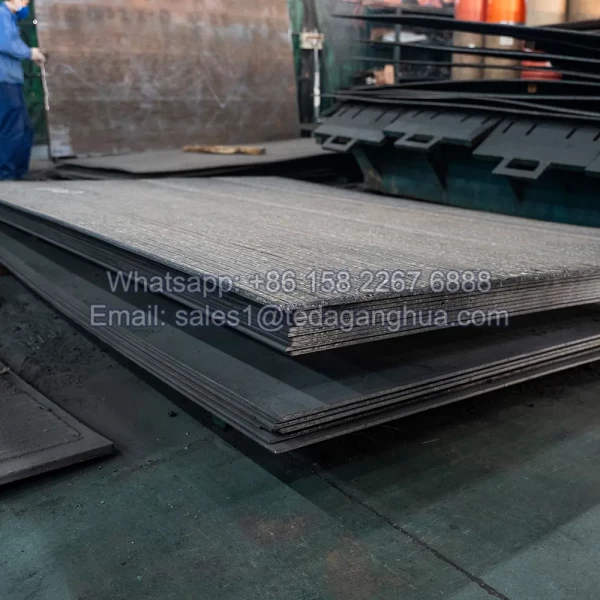
Piastre antiusura in carburo

| Aspetto | Recommendation |
|---|---|
| Minor wear or surface thinning | Repair by hardfacing or patching |
| Deep wear exposing base metal | Replace with new wear plate |
| Base plate cracked or distorted | Replace |
| Obiettivo | Maintain full protection and minimize cost |
In summary:
Carbide wear plates can be repaired or replaced depending on the level of wear.
Regular inspection and timely reconditioning can extend equipment life and reduce total maintenance costs.
With durable, conveniente, and fast-delivery solutions from Teda Ganghua, operators can easily manage both repair and replacement needs in heavy-duty environments.
- Descrizione
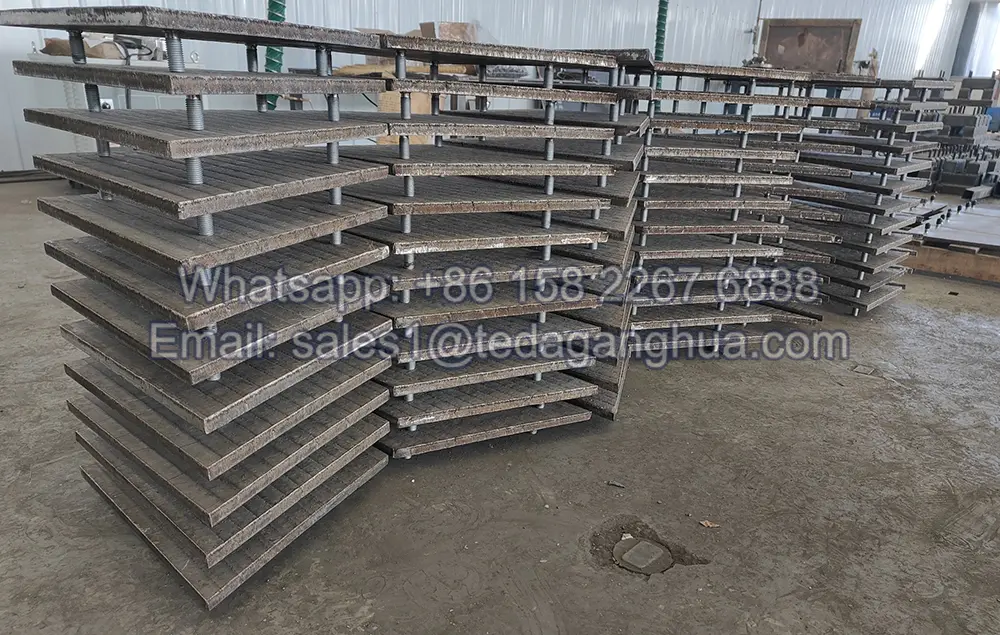
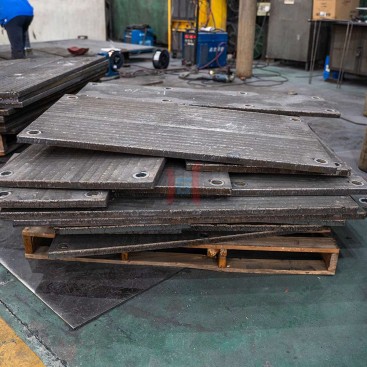
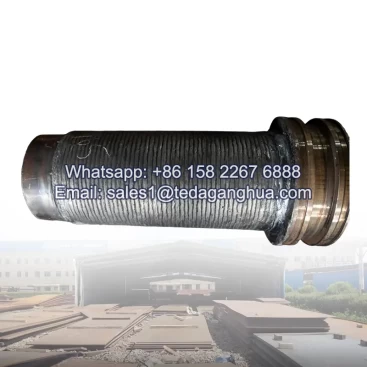
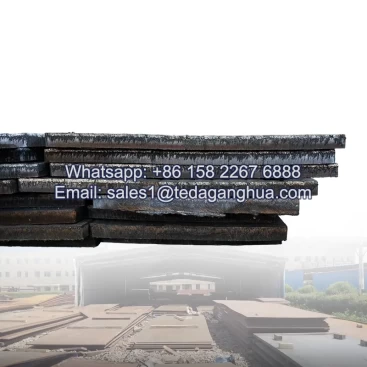
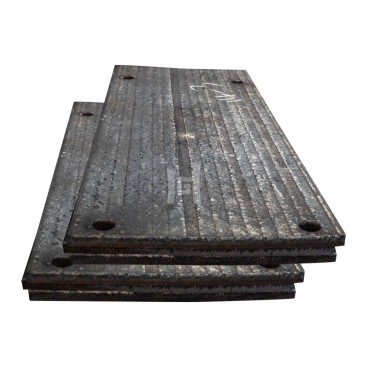
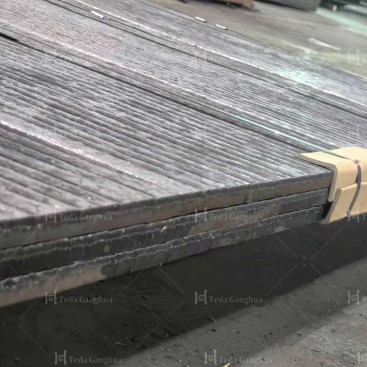
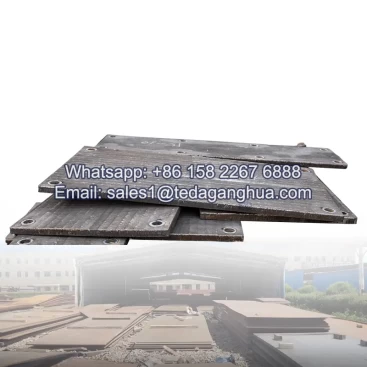
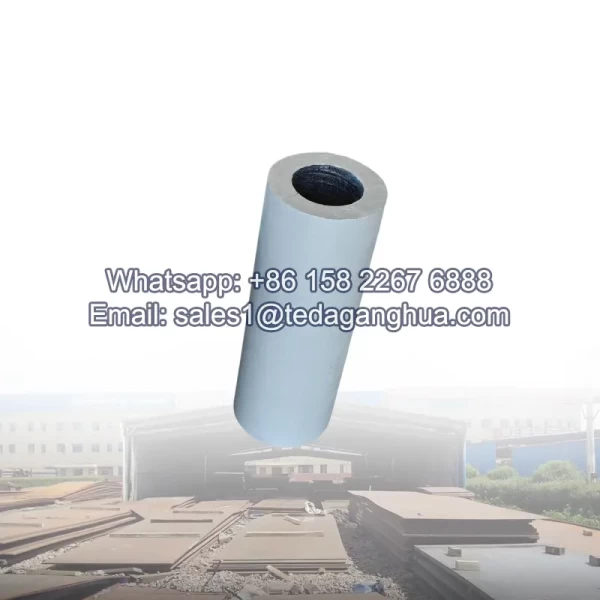
Piastre antiusura in carburo (noto anche come hardfacing or overlay plates) are designed to protect machinery and equipment from severe abrasion, erosione, e impatto.
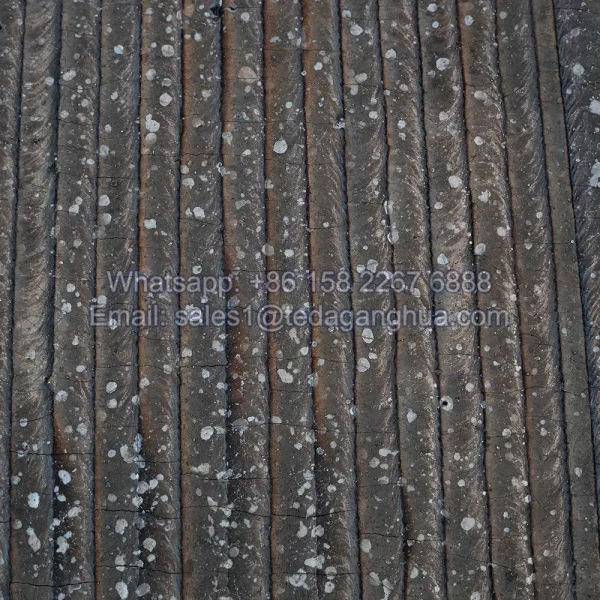
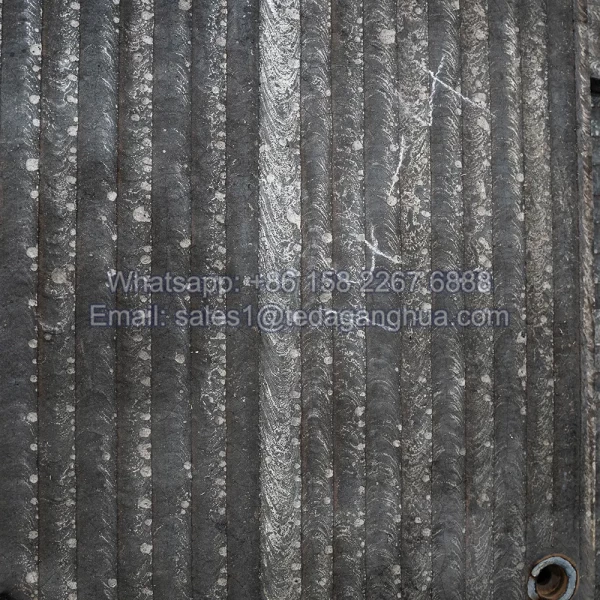
They are made by welding a layer of carbide-rich alloy, ad esempio carburo di cromo (Cr₇C₃) O carburo complesso, onto a steel base plate.
Even though these plates are extremely durable—with surface hardness reaching 58–65HRC—they will eventually experience wear after long-term use in harsh environments such as mining, cemento, e produzione di energia.
That raises an important maintenance question:
👉 When a carbide wear plate shows wear, should it be replaced or repaired?
Understanding How Carbide Wear Plates Wear Out
During operation, abrasive materials such as sand, carbone, minerale, or clinker continuously slide, impatto, or erode the surface.
The wear mechanism usually follows three stages:
-
Initial polishing phase – the surface becomes smooth as carbides are exposed.
-
Steady wear phase – the top hardfacing layer gradually thins over time.
-
Base metal exposure – once the hard layer wears through to the base steel, protection is lost.
In questa fase, the decision between replacement E riparazione depends on the wear depth and working condition.
When to Repair Carbide Wear Plates
Repair is possible if the wear is localized or the overlay thickness loss is less than 50%.
✅ Recommended repair methods:
-
Hardfacing re-welding:
Apply the same or compatible alloy layer on the worn area using open-arc, submerged arc, O plasma transfer arc (PTA) saldatura. -
Overlay patching:
For small worn zones, add a local patch plate and weld it over the affected surface. -
Surface reconditioning:
Use grinding or polishing to remove uneven surfaces before overlaying a new carbide layer.
⚙️ Suitable situations for repair:
-
Minor surface wear
-
Stable base plate without cracks or distortion
-
Equipment that can be easily accessed and welded in place
🔧 Advantages of repair:
-
Lower maintenance cost
-
Shorter downtime
-
Extended total service life of the component
When to Replace Carbide Wear Plates
Replacement is recommended when:
-
The hardfacing layer is completely worn through and the base steel is exposed.
-
Cracks or deformation are visible on the base metal.
-
Repeated repairs have already reduced plate thickness or bonding strength.
At that point, installing a new wear plate is more reliable and cost-effective than continued re-welding.
⚙️ Replacement benefits:
-
Restores full original wear resistance
-
Ensures stable bonding strength
-
Minimizes future downtime
Confronto: Repair vs Replace
| Criteria | Repair | Replace |
|---|---|---|
| Costo | Lower short-term cost | Higher one-time cost |
| Downtime | Più corto | Slightly longer |
| Adatto per | Localized or shallow wear | Severe or full-surface wear |
| Base Metal Condition | Must be intact | Can be damaged or cracked |
| Expected Service Life | Moderare | As-new (full life restored) |
Maintenance Tip
Many industrial users follow this practical rule of thumb:
If less than one-third of the overlay thickness is worn, repair it.
If more than two-thirds is worn, replace it.
This balance ensures cost efficiency without compromising equipment protection.
How Teda Ganghua Supports Maintenance
Teda Ganghua fornisce carbide wear plates with optimized alloy composition for longer wear life and easier on-site repair.
Customers can choose between:
-
Replaceable wear liners for quick swap-out
-
Re-weldable plates for repair and refurbishment
All products are supplied with standard thickness (3–12 mm overlay) E customized cutting services for easy replacement or patch repair.
Teda Ganghua also offers welding wire and electrode materials per overlay re-surfacing, ensuring compatibility with its chromium carbide or complex carbide plates.