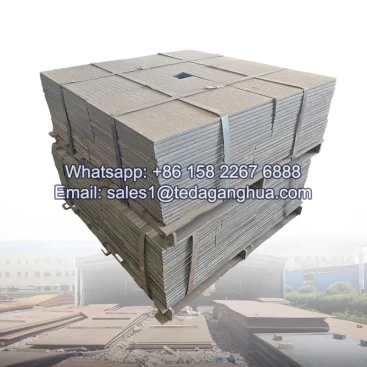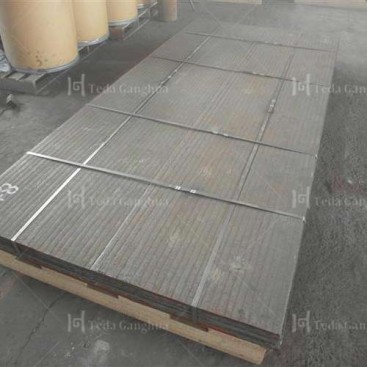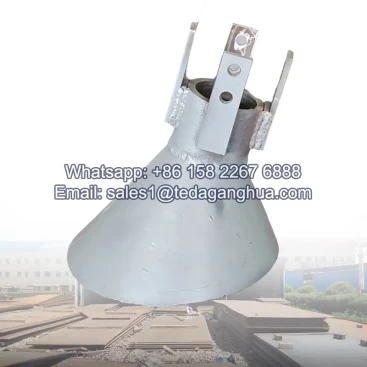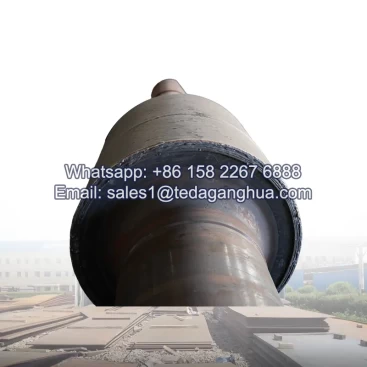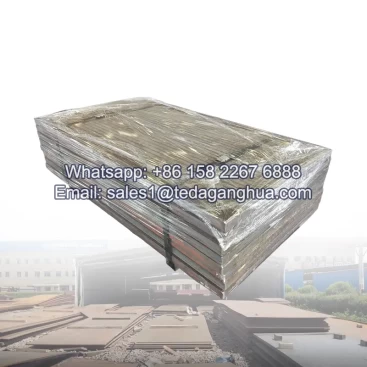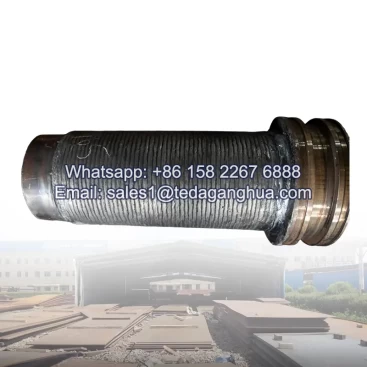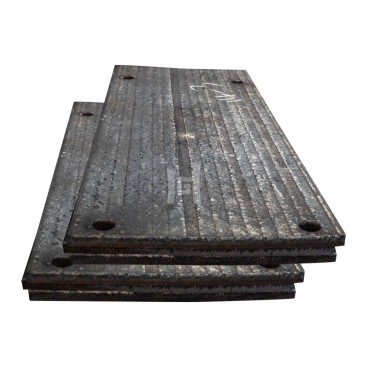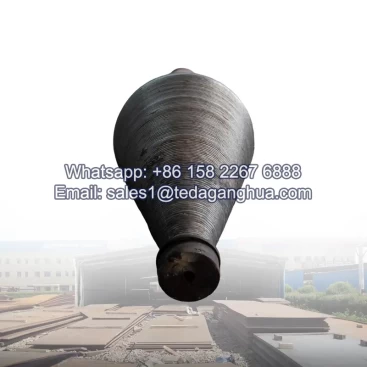
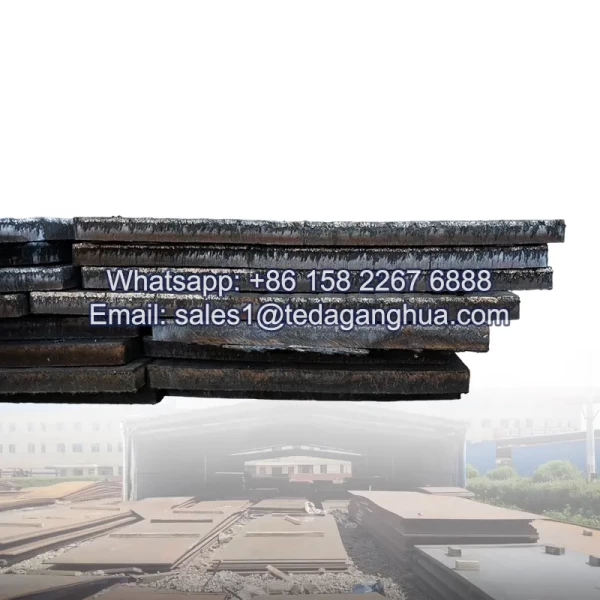
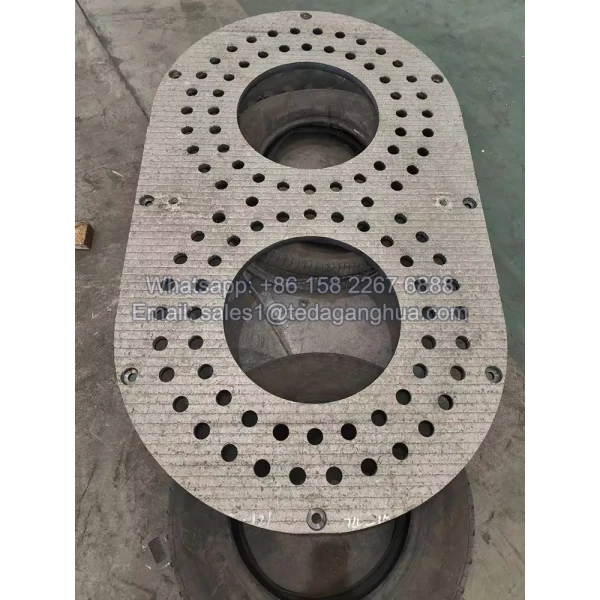
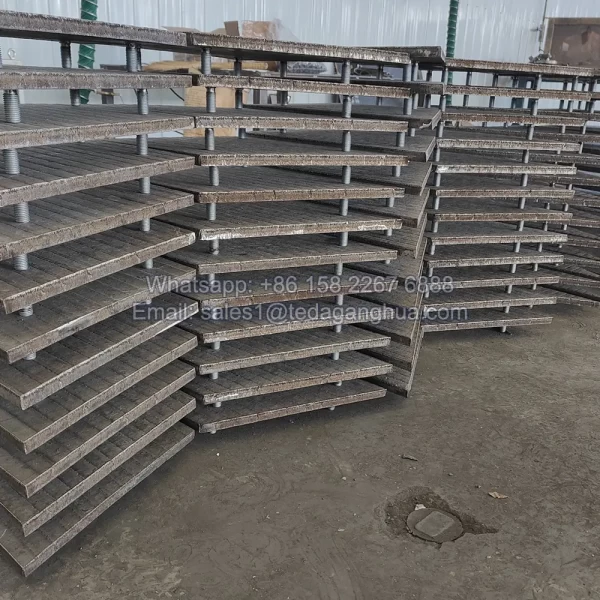
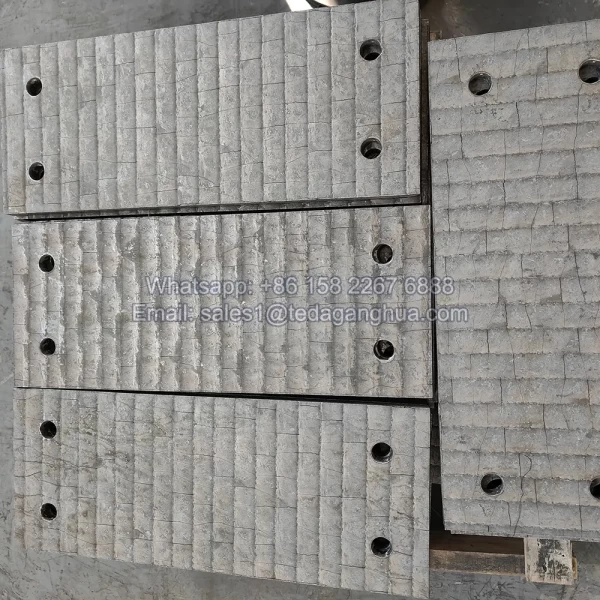
Piastra a faccia dura

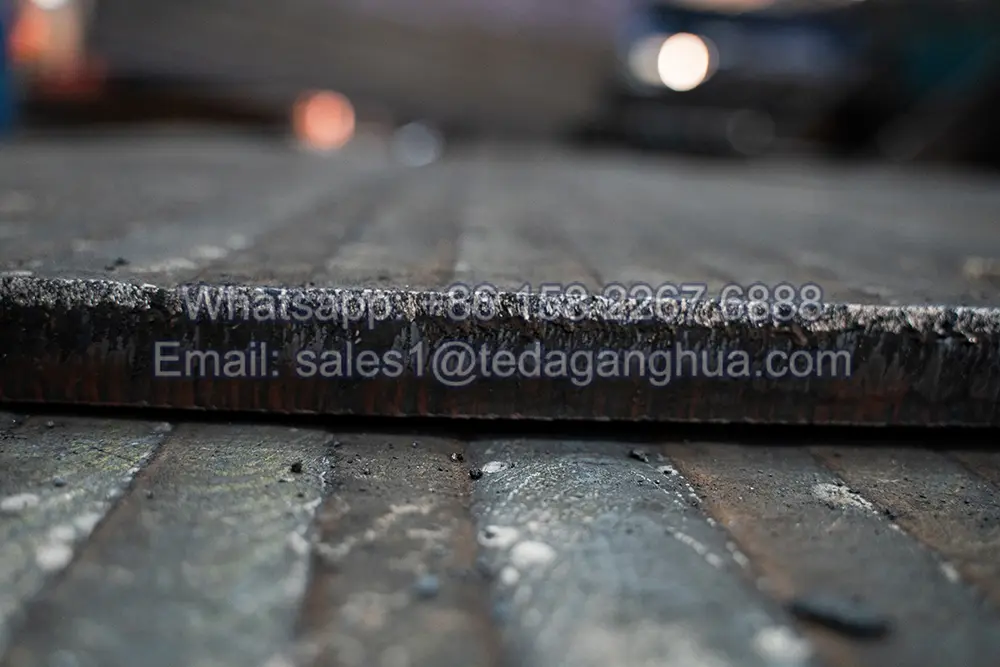
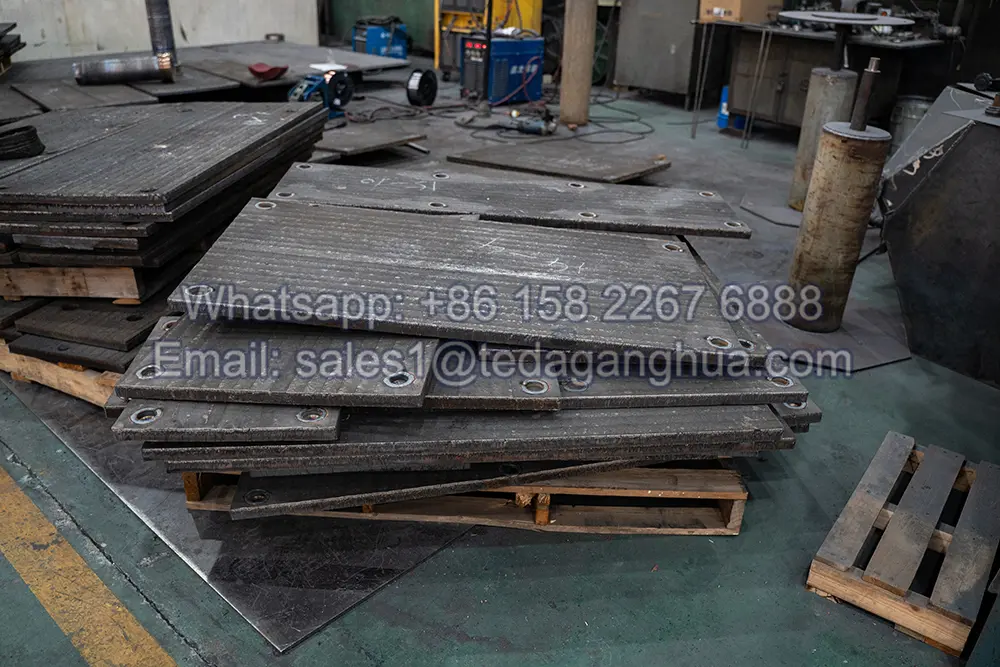
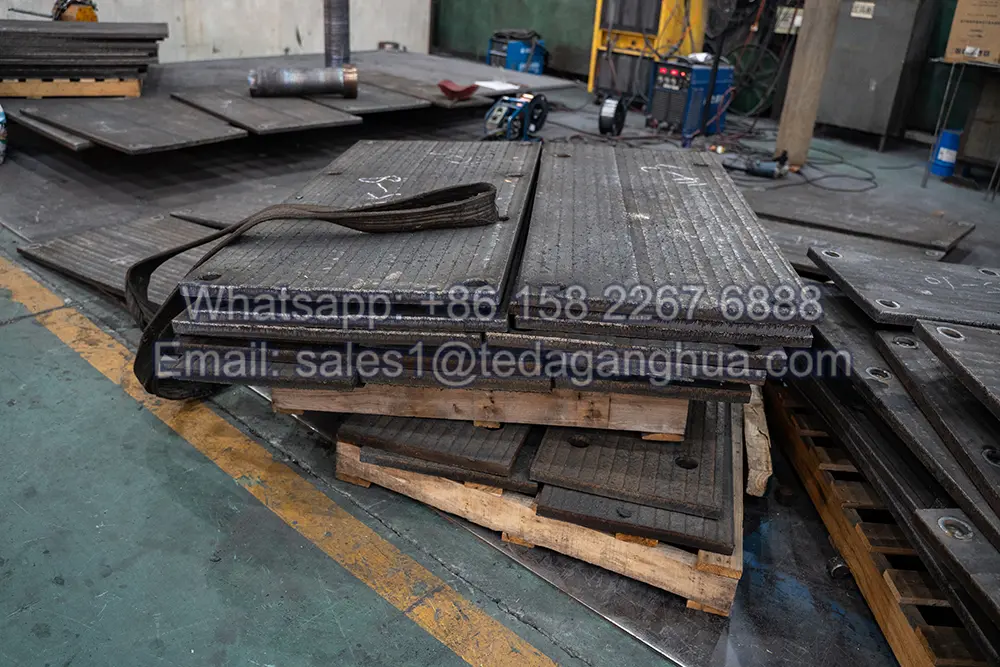
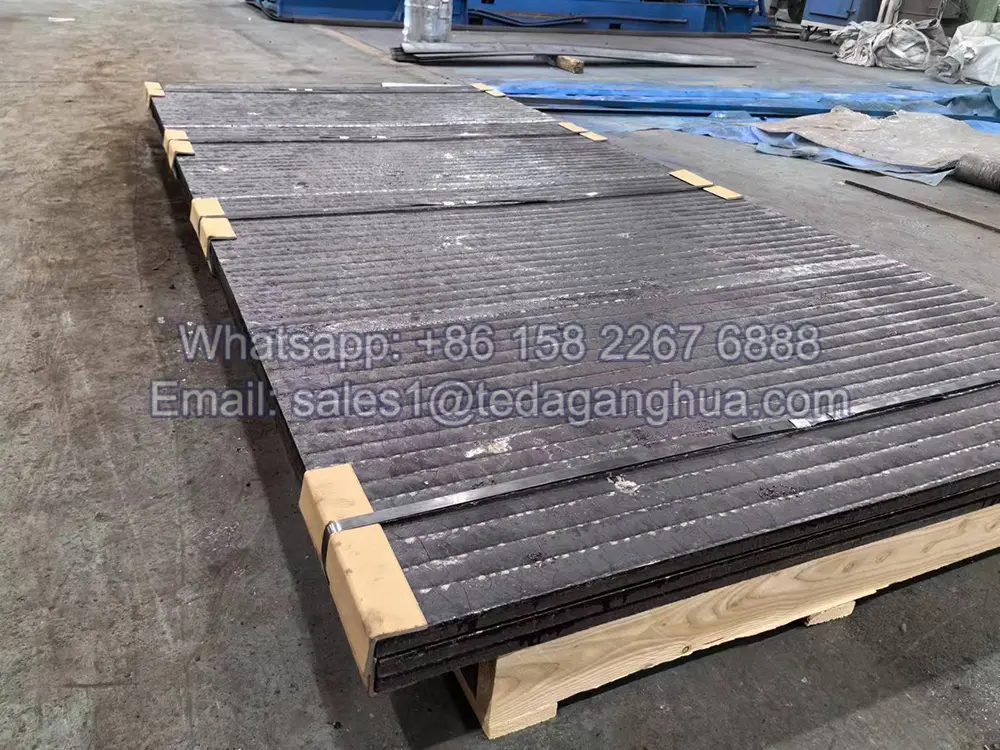
Hardfaced Plates Sono composite wear-resistant steel plates that combine a sovrapposizione dura con a base in acciaio resistente.
Through controlled overlay welding, these plates provide maximum protection against abrasion and impact, rendendoli ideali per minerario, cemento, energia, and heavy-duty material handling equipment.
- Descrizione
Hardfaced Plates Sono composite metal plates created by welding a wear-resistant overlay onto a tough steel base.
Also known as bimetallic wear plates, these plates combine:
-
A hard surface layer for extreme wear resistance
-
A tough steel base for impact absorption and structural support
Hardfaced plates are widely used in minerario, cemento, energia, e industrie di movimentazione dei materiali, where equipment is exposed to abrasione, sliding wear, e impatto.
Structure of Hardfaced Plates
-
Overlay Layer (Strato di rivestimento duro)
-
Made of high-alloy steel, carburo di cromo, or cobalt-based alloys.
-
Durezza: 50–65HRC, depending on the material and welding process.
-
Funzione: Protects against abrasione, erosione, e usura da scorrimento.
-
-
Transition Zone
-
Garantisce legame metallurgico between the overlay and base steel.
-
Slightly lower hardness than the surface to reduce cracking risk.
-
-
Strato di acciaio di base
-
Typically mild steel, AR/NM wear steel, or structural steel.
-
Provides tenacità all'impatto, structural integrity, and welding compatibility.
-
Manufacturing Process
The hardfaced plates are produced through overlay welding techniques:
| Method | Descrizione | Vantaggi |
|---|---|---|
| Saldatura ad arco sommerso (SEGA) | Multi-pass welding of hardfacing wire or strip | High deposition rate, uniform overlay thickness |
| Saldatura ad arco con filo animato (FCAW) | Welding with flux-cored wire containing hard particles | Flexible, suitable for small or medium plates |
| Plasma Transferred Arc (PTA) | High-energy plasma deposits overlay powder | Durezza molto elevata, low dilution, precise control |
| Saldatura ad arco di metallo schermato (SMAW) | Manual welding with hardfacing rods | Simple, suitable for repairs or field applications |
Key Considerations:
-
Spessore della sovrapposizione: tipicamente 3–20 mm
-
Control of dilution between overlay and base (<10–15%)
-
Preheating thick base plates (150–250°C) per evitare rotture
-
Post-weld stress relief and surface finishing for uniform hardness
Typical Hardfaced Plate Grades and Properties
| Grado / Tipo | Overlay Hardness (HRC) | Base Steel | Spessore della sovrapposizione (mm) | Applicazioni |
|---|---|---|---|---|
| HFP-1 | 58–60 | Q235 / mild steel | 3–6 | Cade, tramogge, light abrasion areas |
| HFP-2 | 60–62 | S355 / NM400 | 6–10 | Crusher, alimentatori, fodere per trasportatori |
| HFP-3 | 62–64 | NM400 / AR400 | 8–12 | High abrasion and moderate impact areas |
| HFP-4 | 64–65 | AR450 / NM450 | 12–20 | Severe wear zones, attrezzature minerarie, condutture dei liquami |
Applicazioni industriali
-
Estrazione: Fodere del frantoio, tramogge, bucket edges, conveyor troughs
-
Cemento & Concrete: Lame del miscelatore, cade, screw conveyors
-
Power Plants: Coal handling chutes, ash pipelines
-
Riciclaggio & Gestione del materiale: Trituratori, piastre d'impatto, fodere per trasportatori
Advantages of Hardfaced Plates
-
Extreme Wear Resistance: Overlay layer resists sliding and impact abrasion
-
Resistenza all'impatto: Base steel absorbs shocks, prevents delamination
-
Lunga durata: Up to 5–10× longer than ordinary steel
-
Customizable Design: Spessore della sovrapposizione, materiale, and plate size can be tailored to application needs
-
Versatile Fabrication: Può essere tagliato, saldato, forato, o formato