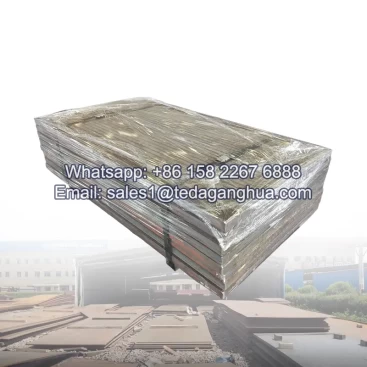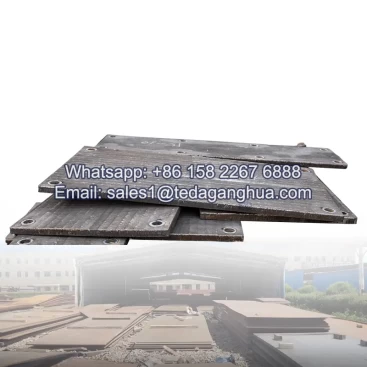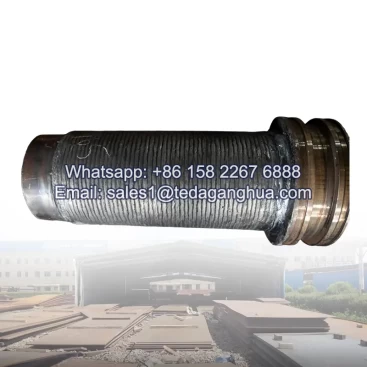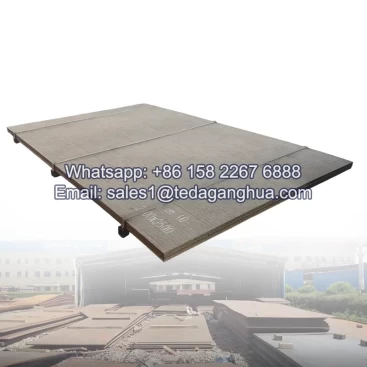
Piastra di overlay in carburo di cromo


- Descrizione
Piastra di overlay in carburo di cromo: Differences Between Hardfaced Plates and Other Wear-Resistant Steels
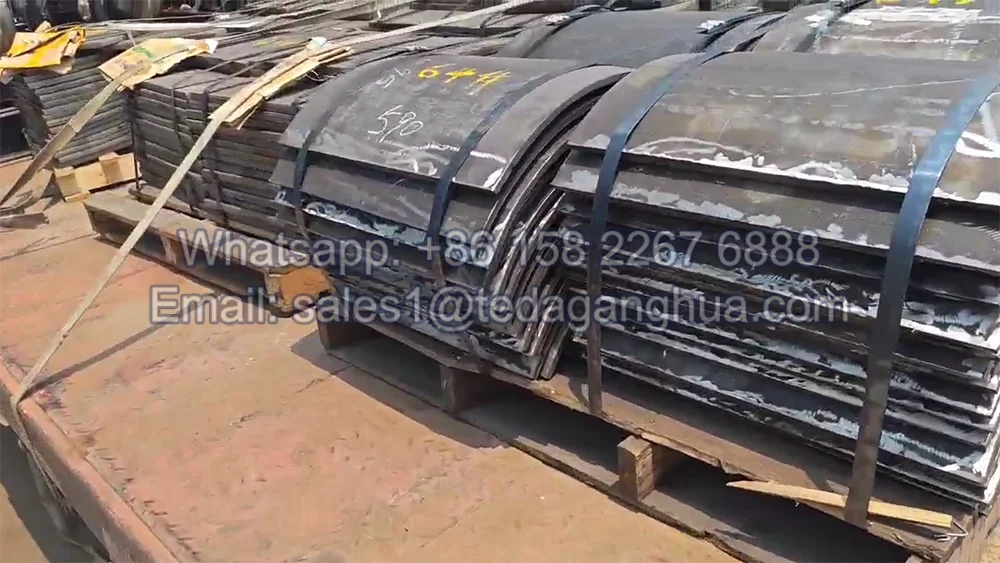
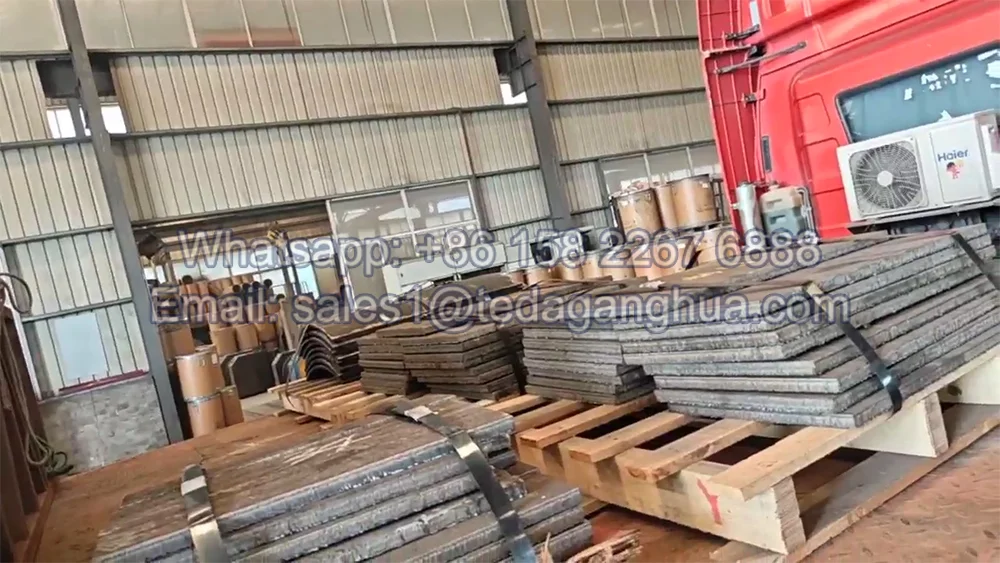
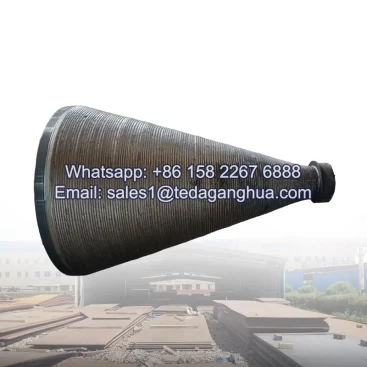
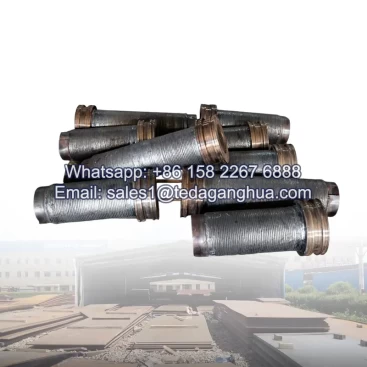
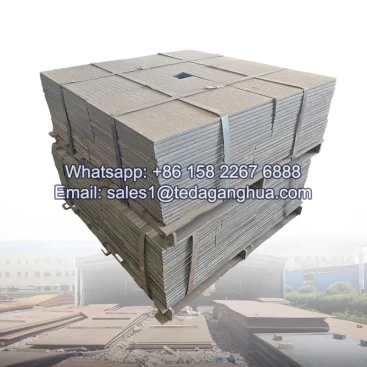
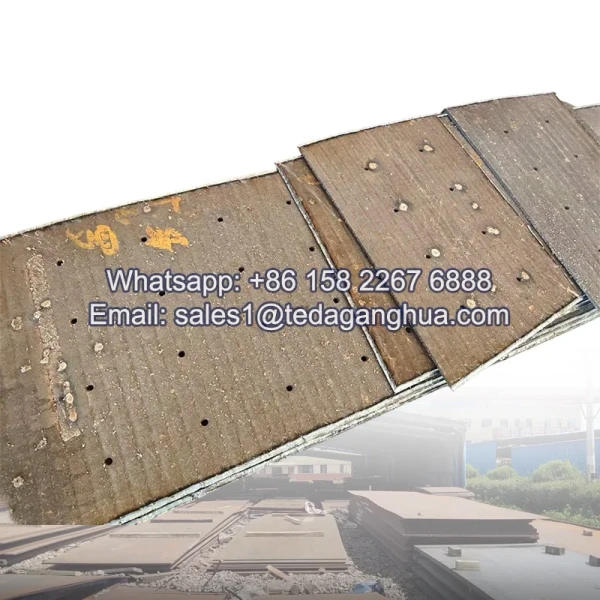
Chromium carbide overlay plate (CCO plate) is a composite wear-resistant steel plate produced by welding a high-chromium carbide alloy layer onto a mild steel or low-alloy steel base plate. It is one of the most widely used hardfaced wear solutions in mining, cemento, acciaio, e industrie energetiche.
Compared with conventional wear-resistant steels such as NM400, NM500, or AR400 steel, chromium carbide overlay plate is fundamentally different in both structure and wear mechanism.
1. Structural Difference
| Material Type | Struttura | Caratteristica principale |
|---|---|---|
| Chromium carbide overlay plate | Base in acciaio + welded carbide overlay layer | Composite structure |
| NM400 / NM500 wear steel | Alloyed quenched & tempered steel | Homogeneous structure |
| AR400 / AR500 Acciaio | Heat-treated alloy steel | Uniform hardness throughout thickness |
The most important difference is that CCO plates have a two-layer structure, while traditional wear steels are single-material plates.
2. Wear Mechanism Difference
| Material Type | Main Wear Resistance Mechanism |
|---|---|
| Chromium carbide overlay plate | Hard carbide particles resist abrasion |
| NM400 / NM500 steel | High hardness matrix resists wear |
| Acciaio AR | Durezza e tenacità bilanciate |
CCO plates rely on extremely hard chromium carbide particles (HRC 58–65), while wear steels rely on overall bulk hardness.
3. Hardness and Performance Comparison
| Proprietà | Piastra CCO | Wear-Resistant Steel (NM/AR) |
|---|---|---|
| Surface hardness | HRC 58–65 | HB 400–500 |
| Resistenza all'usura | Excellent in sliding abrasion | Good in impact + abrasione |
| Impact resistance | Inferiore (brittle surface layer) | Higher toughness |
| Service life | Very long in abrasive conditions | Balanced in mixed conditions |
4. Processing Difference
- CCO plate: Requires plasma or laser cutting due to hard surface layer
- Wear steel: Easier to cut, curva, e saldare
- CCO plate: May have controlled surface cracks to release stress
- Wear steel: No surface cracking is normal
5. Application Difference
| Application Condition | Best Material Choice |
|---|---|
| High sliding abrasion | Chromium carbide overlay plate |
| High impact + abrasione | NM400 / NM500 steel |
| Mixed working conditions | AR steel or hybrid solutions |
6. Key Advantage of Chromium Carbide Overlay Plate
- Resistenza all'usura estremamente elevata in ambienti abrasivi
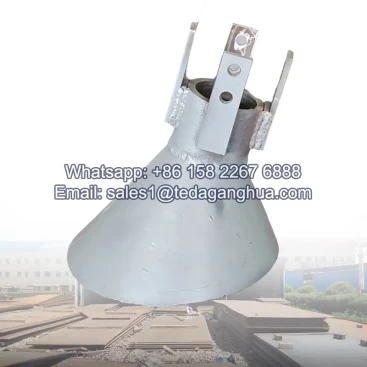
- Lunga durata in chutes, tramogge, and liners
- Replaceable wear surface concept (base plate remains intact)
- Cost efficiency in long-term maintenance
7. Teda Ganghua Wear Plate Supply Capability
Come fornitore professionale di acciaio resistente all'usura, Teda Ganghua provides chromium carbide overlay plates and other wear-resistant steel solutions tailored to different industrial conditions, including mining, cemento, acciaio, and power generation industries.
We support customized cutting, fabbricazione, and full wear protection system design based on real operating environments.
Esplora qui i nostri prodotti in acciaio resistente all'usura:
Wear Resistant Steel Plates
Conclusione
Chromium carbide overlay plate differs from traditional wear-resistant steels because it uses a composite structure with a hard carbide overlay layer rather than a homogeneous steel body. This makes it far superior in abrasive wear conditions but less suitable for high-impact environments.