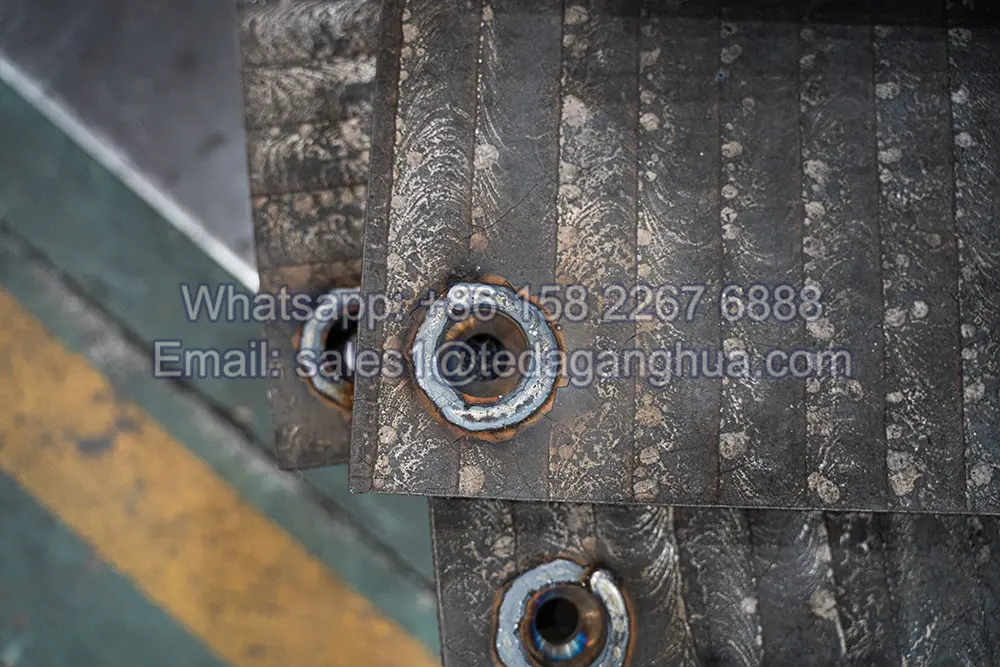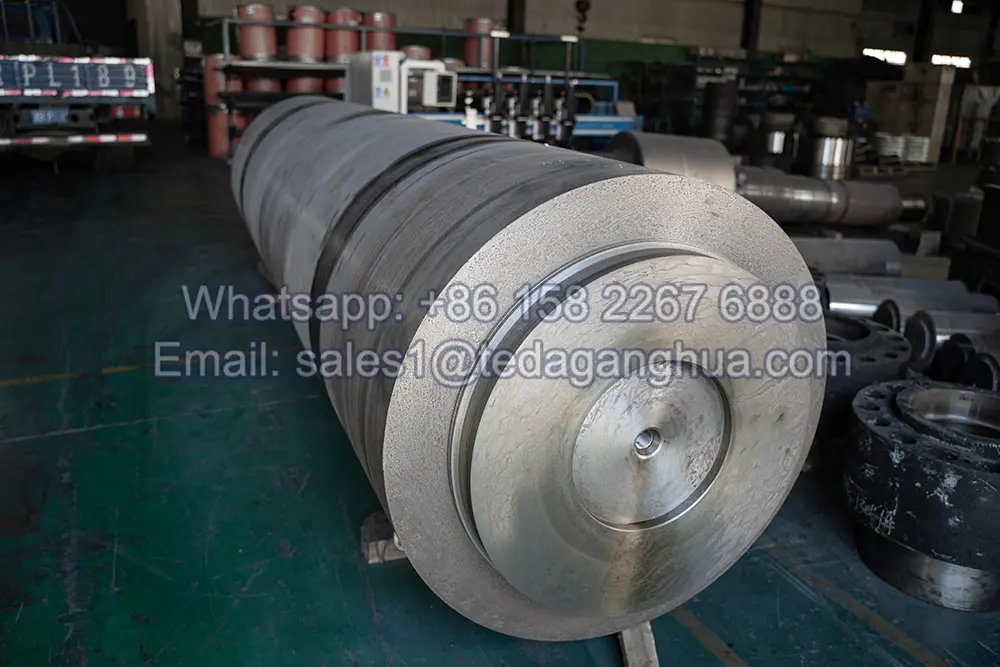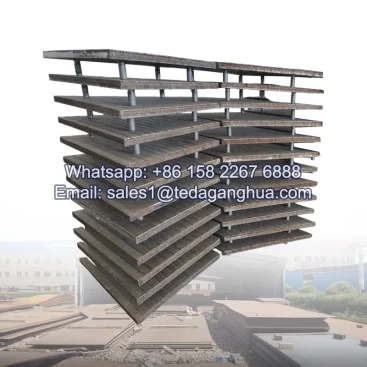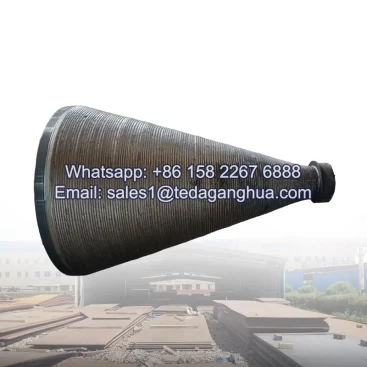
Overlay di carburo di cromo

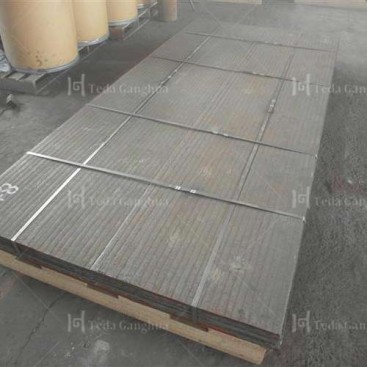
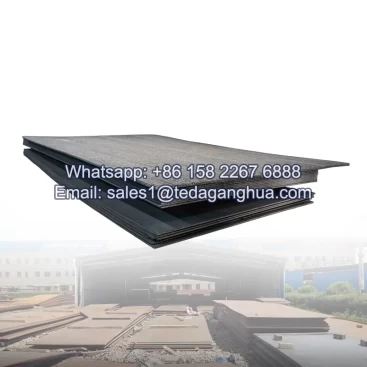
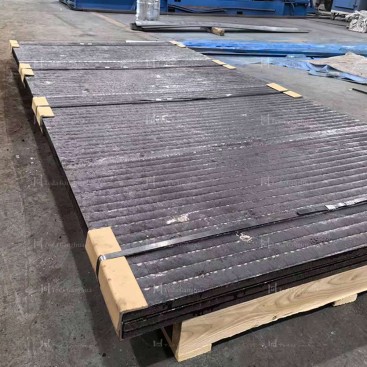
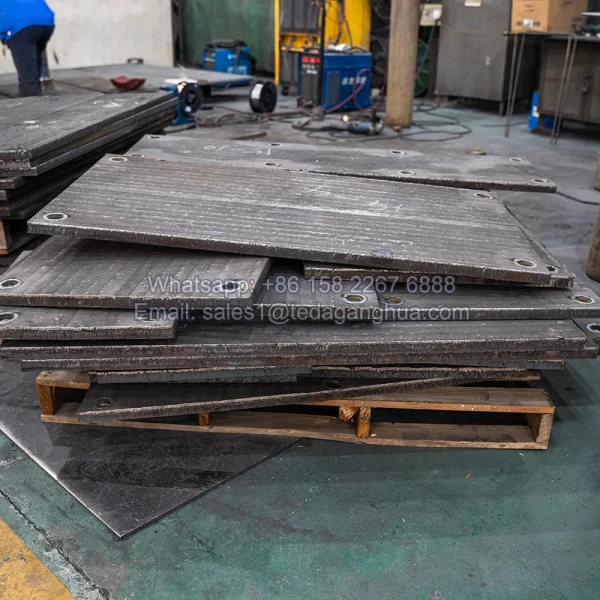
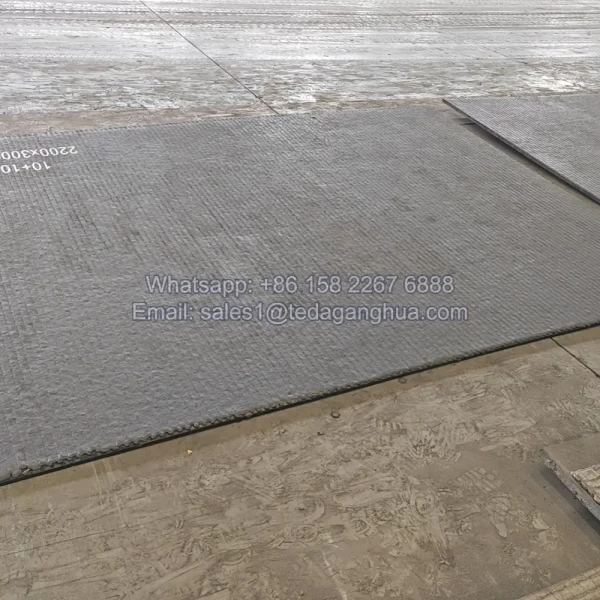
Chromium Carbide Overlay Plates are the ideal solution for extreme wear and impact environments, combinando hard, wear-resistant overlay con a base in acciaio resistente.
With a range of gradi, spessori di sovrapposizione, and plate sizes, CCO plates can be personalizzato to meet the demands of mining, cemento, energia, e industrie di movimentazione dei materiali.

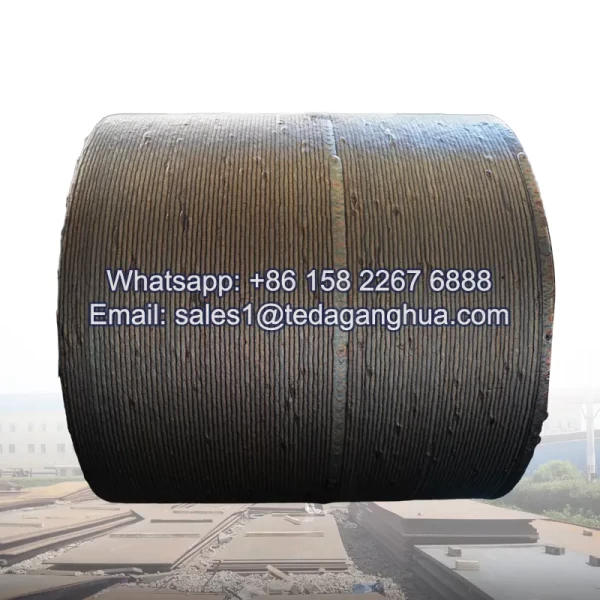
Overlay di carburo di cromo (CCO) Piatto is a type of wear-resistant bimetallic steel plate where a high-hardness chromium carbide layer is welded onto a mild steel base.
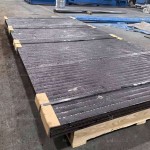
This combination provides:

  • Estrema resistenza all'abrasione (hardness up to 58–65 HRC)

  • Resistenza all'impatto dall'acciaio di base

  • Lunga durata nel settore minerario, cemento, energia, e applicazioni di movimentazione dei materiali

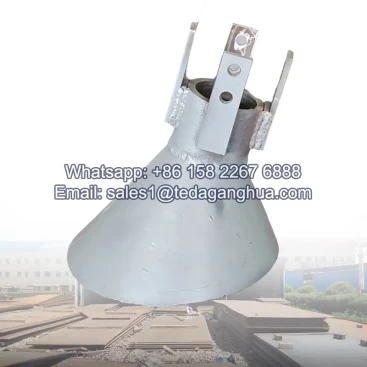
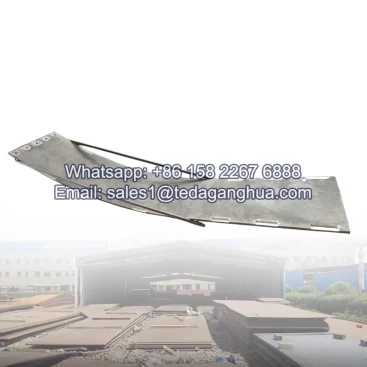
CCO plates are widely used in fodere del frantoio, slurry chutes, screw conveyors, tramogge, and impact areas.

Common Chromium Carbide Overlay Grades

Grado / Tipo Overlay Hardness (HRC) Base Steel Spessore della sovrapposizione (mm) Applicazioni
CCO-1 / 1.0 mm weld 58–60 HRC Q235 / mild steel 3–6 mm Light abrasion areas, cade, tramogge
CCO-2 / 2.0 mm weld 60–62 HRC Q235 / S355 6–8 mm Crusher, alimentatori, fodere per trasportatori
CCO-3 / 3.0 mm weld 62–64 HRC Q235 / NM400 8–12 mm High abrasion areas, impatto + wear zones
CCO-4 / 4.0 mm weld 64–65HRC NM400 / AR450 12–15 mm Severe wear zones, attrezzature minerarie, condutture dei liquami
CCO-5 / 5.0 mm weld 65 HRC AR400 / AR450 15–20 mm Applicazioni con usura estrema, hammer plates, knife edges

Nota: Hardness is measured on the overlay surface. The base steel provides toughness and weldability.

Typical Plate Specifications

Spessore (mm) Larghezza (mm) Lunghezza (mm) Overlay Layer Thickness (mm) Note
6–20 1000–2000 2000–6000 3–6 Applicazioni con usura leggera
8–25 1200–2000 2500–6000 6–10 Usura media, impatto + abrasione
10–30 1500–2200 3000–8000 8–12 High wear, moderate impact
12–40 1500–2500 4000–12000 12–20 Severe abrasion and impact
20–50 1800–2500 6000–12000 15–25 Extreme mining and crushing zones

Key Advantages of Chromium Carbide Overlay Plates

  1. High Hardness Surface – Protects equipment from severe sliding abrasion.

  2. Tough Base Steel – Absorbs impact and prevents cracking.

  3. Customizable Thickness – Overlay and base thickness can be tailored for specific wear conditions.

  4. Lunga durata – Up to 5–10× longer than ordinary wear plates.

  5. Versatile Applications – Mining, cemento, centrali elettriche, recycling, and material handling equipment.

Applicazioni industriali

  • Estrazione: Fodere del frantoio, tramogge, cade, feeder plates

  • Cemento & Concrete: Slurry pipelines, mixer liners, screw conveyors

  • Power Plants: Sistemi di movimentazione delle ceneri, coal chutes

  • Recycling Industry: Shredder blades, hammer plates, impact areas

  • Gestione del materiale: Fodere per trasportatori, scivoli di trasferimento, bins

Hardfacing steel refers to steel components that have been coated with a hard, wear-resistant layer through overlay welding.
The hardfacing layer dramatically increases the abrasion, impact, and erosion resistance of industrial parts, extending service life in mining, cemento, energia, e applicazioni di movimentazione dei materiali.

⚙️ Hardfacing Layer Structure

A typical hardfaced steel component has two main layers:

Overlay Layer (Strato di rivestimento duro)

Made of high-alloy steel, carburo di cromo, or cobalt-based alloys.

Durezza: 50–65 HRC depending on the material.

Funzione: Pimpattos against sliding, impact, and erosive wear.

Base Steel Layer

Usually mild steel (Q235), AR/NM wear steel, or structural steel.

Fornisce tenacità, resistenza agli urti, e supporto strutturale.

🔧 Hardfacing Welding Processes

Several welding techniques are used to deposit the hardfacing layer:

Process	Description	Advantages
Submerged Arc Welding (SEGA)	Large-scale welding with chromium carbide or hardfacing wires	High deposition rate, uniform layer thickness
Flux-Cored Arc Welding (FCAW)	Uses flux-cored wires with hard particles	Flexible, suitable for medium and small parts
Shielded Metal Arc Welding (SMAW)	Manual welding with hardfacing rods	Simple, ideal for repairs or field work
Plasma Transferred Arc (PTA)	High-energy plasma weld deposits powder overlay	Very high hardness, minimal dilution, excellent wear resistance
Key Considerations in Hardfacing

Overlay Thickness

Typically 3–20 mm depending on wear conditions.

Multi-pass welding may be used to build up the desired thickness.

Preheating & Interpass Temperature

Thick steel components may require preheating (150–250°C) per evitare rotture.

Interpass temperature control ensures uniform hardness and minimal residual stress.

Dilution Control

Hardfacing steel refers to steel components that have been coated with a hard, wear-resistant layer through overlay welding.
The hardfacing layer dramatically increases the abrasion, impact, and erosion resistance of industrial parts, extending service life in mining, cemento, energia, e applicazioni di movimentazione dei materiali.

⚙️ Hardfacing Layer Structure

A typical hardfaced steel component has two main layers:

Overlay Layer (Strato di rivestimento duro)

Made of high-alloy steel, carburo di cromo, or cobalt-based alloys.

Durezza: 50–65 HRC depending on the material.

Funzione: Pimpattos against sliding, impact, and erosive wear.

Base Steel Layer

Usually mild steel (Q235), AR/NM wear steel, or structural steel.

Fornisce tenacità, resistenza agli urti, e supporto strutturale.

🔧 Hardfacing Welding Processes

Several welding techniques are used to deposit the hardfacing layer:

Process	Description	Advantages
Submerged Arc Welding (SEGA)	Large-scale welding with chromium carbide or hardfacing wires	High deposition rate, uniform layer thickness
Flux-Cored Arc Welding (FCAW)	Uses flux-cored wires with hard particles	Flexible, suitable for medium and small parts
Shielded Metal Arc Welding (SMAW)	Manual welding with hardfacing rods	Simple, ideal for repairs or field work
Plasma Transferred Arc (PTA)	High-energy plasma weld deposits powder overlay	Very high hardness, minimal dilution, excellent wear resistance
Key Considerations in Hardfacing

Overlay Thickness

Typically 3–20 mm depending on wear conditions.

Multi-pass welding may be used to build up the desired thickness.

Preheating & Interpass Temperature

Thick steel components may require preheating (150–250°C) per evitare rotture.

Interpass temperature control ensures uniform hardness and minimal residual stress.

Dilution Control

Overlay di carburo di cromo

Hardfacing steel refers to steel components that have been coated with a hard, wear-resistant layer through overlay welding.
The hardfacing layer dramatically increases the abrasion, impact, and erosion resistance of industrial parts, extending service life in mining, cemento, energia, e applicazioni di movimentazione dei materiali.

⚙️ Hardfacing Layer Structure

A typical hardfaced steel component has two main layers:

Overlay Layer (Strato di rivestimento duro)

Made of high-alloy steel, carburo di cromo, or cobalt-based alloys.

Durezza: 50–65 HRC depending on the material.

Funzione: Pimpattos against sliding, impact, and erosive wear.

Base Steel Layer

Usually mild steel (Q235), AR/NM wear steel, or structural steel.

Fornisce tenacità, resistenza agli urti, e supporto strutturale.

🔧 Hardfacing Welding Processes

Several welding techniques are used to deposit the hardfacing layer:

Process	Description	Advantages
Submerged Arc Welding (SEGA)	Large-scale welding with chromium carbide or hardfacing wires	High deposition rate, uniform layer thickness
Flux-Cored Arc Welding (FCAW)	Uses flux-cored wires with hard particles	Flexible, suitable for medium and small parts
Shielded Metal Arc Welding (SMAW)	Manual welding with hardfacing rods	Simple, ideal for repairs or field work
Plasma Transferred Arc (PTA)	High-energy plasma weld deposits powder overlay	Very high hardness, minimal dilution, excellent wear resistance
Key Considerations in Hardfacing

Overlay Thickness

Typically 3–20 mm depending on wear conditions.

Multi-pass welding may be used to build up the desired thickness.

Preheating & Interpass Temperature

Thick steel components may require preheating (150–250°C) per evitare rotture.

Interpass temperature control ensures uniform hardness and minimal residual stress.

Dilution Control

Hardfacing steel refers to steel components that have been coated with a hard, wear-resistant layer through overlay welding.
The hardfacing layer dramatically increases the abrasion, impact, and erosion resistance of industrial parts, extending service life in mining, cemento, energia, e applicazioni di movimentazione dei materiali.

⚙️ Hardfacing Layer Structure

A typical hardfaced steel component has two main layers:

Overlay Layer (Strato di rivestimento duro)

Made of high-alloy steel, carburo di cromo, or cobalt-based alloys.

Durezza: 50–65 HRC depending on the material.

Funzione: Pimpattos against sliding, impact, and erosive wear.

Base Steel Layer

Usually mild steel (Q235), AR/NM wear steel, or structural steel.

Fornisce tenacità, resistenza agli urti, e supporto strutturale.

🔧 Hardfacing Welding Processes

Several welding techniques are used to deposit the hardfacing layer:

Process	Description	Advantages
Submerged Arc Welding (SEGA)	Large-scale welding with chromium carbide or hardfacing wires	High deposition rate, uniform layer thickness
Flux-Cored Arc Welding (FCAW)	Uses flux-cored wires with hard particles	Flexible, suitable for medium and small parts
Shielded Metal Arc Welding (SMAW)	Manual welding with hardfacing rods	Simple, ideal for repairs or field work
Plasma Transferred Arc (PTA)	High-energy plasma weld deposits powder overlay	Very high hardness, minimal dilution, excellent wear resistance
Key Considerations in Hardfacing

Overlay Thickness

Typically 3–20 mm depending on wear conditions.

Multi-pass welding may be used to build up the desired thickness.

Preheating & Interpass Temperature

Thick steel components may require preheating (150–250°C) per evitare rotture.

Interpass temperature control ensures uniform hardness and minimal residual stress.

Dilution Control