- Descrizione
Piastra antiusura sovrapposta: Why Its Production Cycle Is Longer Than Ordinary Steel Plate
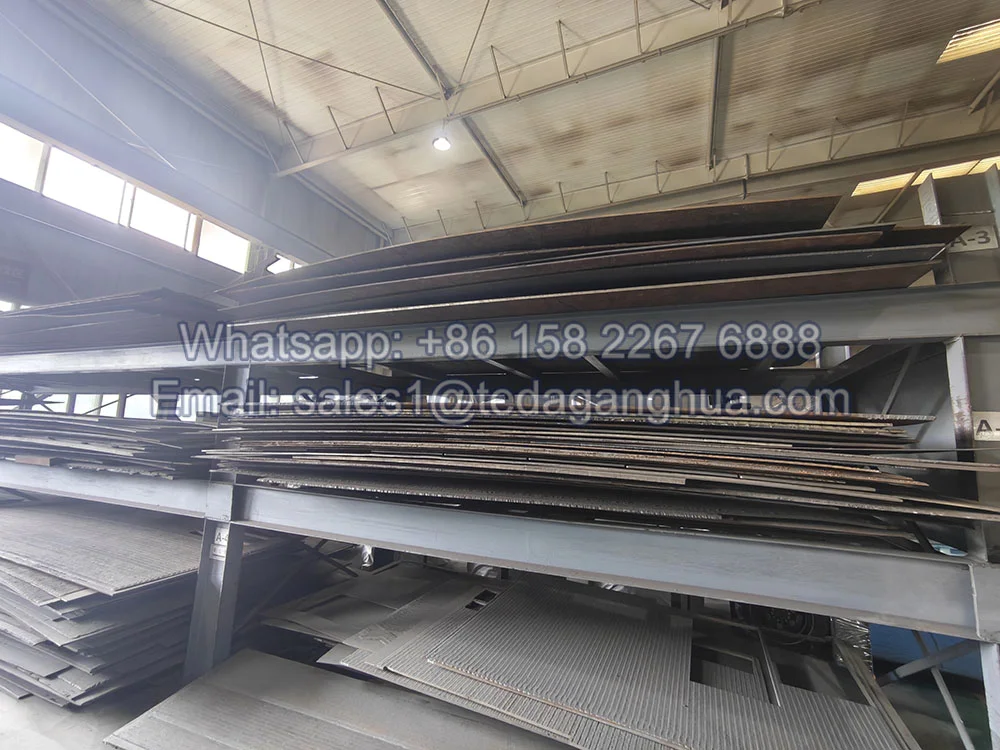
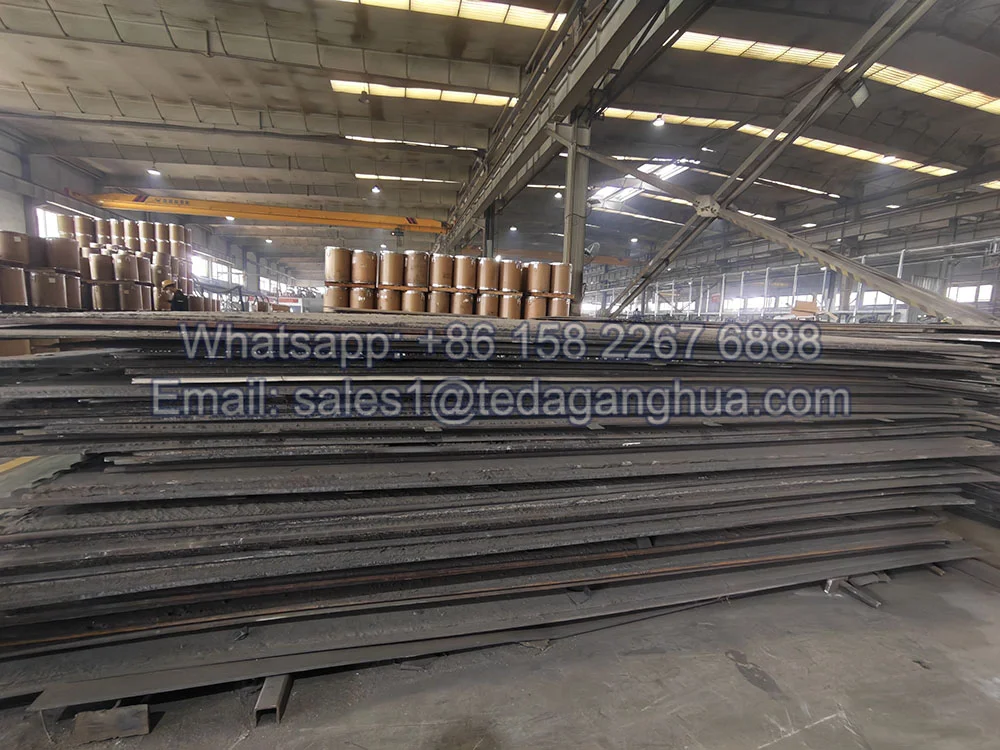
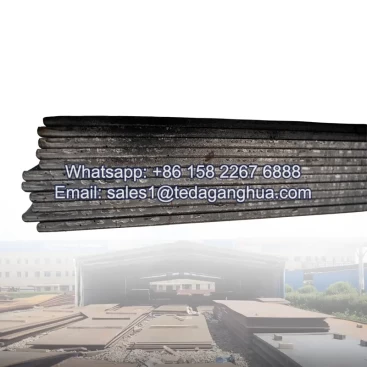
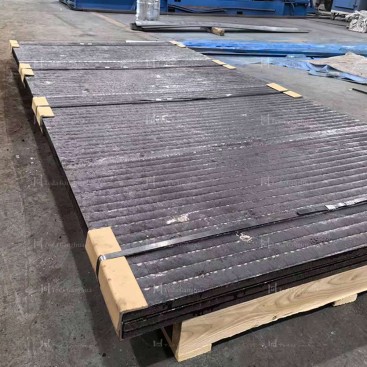
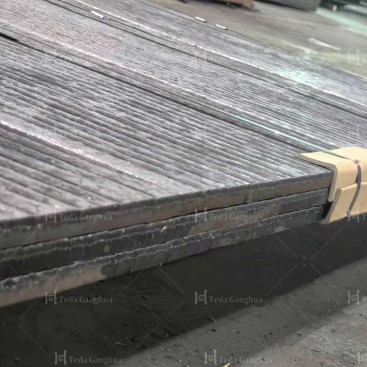
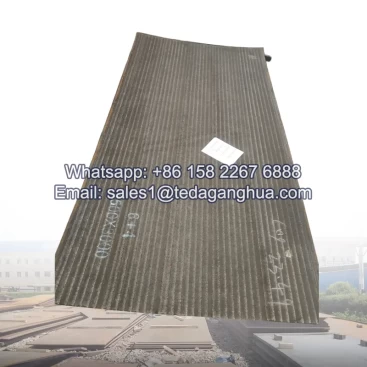
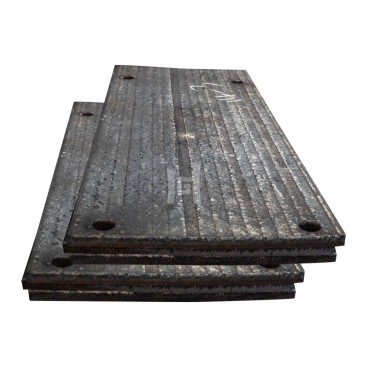
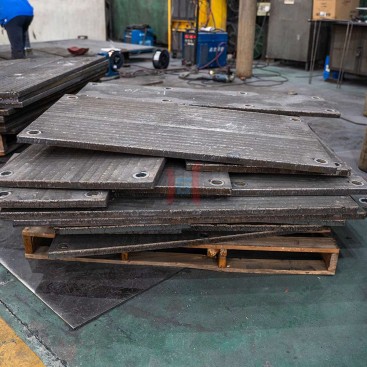
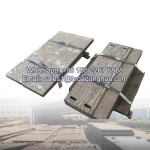
Overlay wear plate is a composite steel product made by depositing a high-hardness alloy layer (such as chromium carbide, carburo di tungsteno, or nickel-based alloys) onto a base steel plate through welding processes. Compared with ordinary steel plates, its manufacturing cycle is significantly longer due to its multi-step and energy-intensive production process.
1. Ordinary Steel Plate vs Overlay Wear Plate Production
| Articolo | Piatto d'acciaio ordinario | Piastra antiusura sovrapposta |
|---|---|---|
| Production method | Rolling or casting | Multi-layer welding + finishing |
| Main process | Single continuous process | Multi-step complex process |
| Production time | Veloce | Much longer |
The key difference is that overlay wear plate is not simply formed — it is built layer by layer.
2. Main Reasons for Longer Processing Cycle
(1) Multi-layer Welding Process
Overlay wear plates often require multiple welding passes to build the wear-resistant layer to the required thickness (commonly 3–10 mm or more).
- Each pass must be precisely controlled
- Cooling is required between layers
- Multiple cycles increase total production time
(2) Heat Control and Cooling Time
To avoid cracking and deformation, the plate must undergo controlled heating and cooling during production.
- Preheating of base plate
- Interpass temperature control
- Slow cooling after welding
These steps significantly extend production time compared to normal steel rolling.
(3) Complex Alloy Deposition
Different overlay types require different alloy systems:
| Tipo di sovrapposizione | Complexity Level |
|---|---|
| Rivestimento in carburo di cromo | Medio |
| Complex carbide overlay | Alto |
| Rivestimento in carburo di tungsteno | Molto alto |
| Nickel-based overlay | High precision required |
More complex alloy systems require tighter process control and slower deposition speed.
(4) Low Welding Speed Compared to Rolling
Unlike steel rolling (continuous and high-speed), overlay welding is a slow deposition process:
- Controlled arc or PTA welding speed
- Uniform carbide distribution requirement
- Strict layer thickness control
(5) Quality Inspection and Testing
Each batch must pass multiple inspections before delivery:
- Test di durezza (HRC)
- Overlay thickness measurement
- Bonding strength inspection
- Surface crack evaluation
These inspections add additional time before shipment.
3. Typical Production Cycle Comparison
| Tipo di prodotto | Typical Lead Time |
|---|---|
| Ordinary steel plate | 1–3 days (stock or rolling) |
| Standard overlay wear plate | 7–15 days |
| High alloy / custom overlay plate | 15–30+ days |
4. Why Longer Time Means Better Performance
- Better carbide distribution
- Stronger bonding between layers
- Higher wear resistance stability
- Longer service life in real applications
In most cases, a longer production cycle directly contributes to higher product performance and longer service life.
5. Teda Ganghua Overlay Plate Supply Capability
Come fornitore professionale di acciaio resistente all'usura, Teda Ganghua provides stable production scheduling for overlay wear plates, including chromium carbide, carburo complesso, and nickel-based systems. We optimize production planning to balance delivery time and product performance.
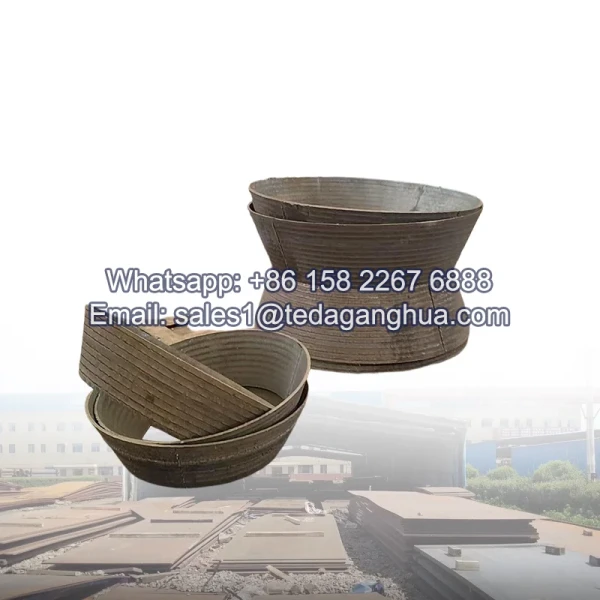
We support customized cutting, fabrication, and wear solution design for mining, cemento, acciaio, e industrie energetiche.
Esplora qui i nostri prodotti in acciaio resistente all'usura:
Piastra di overlay in carburo di cromo
Conclusione
Overlay wear plates require longer production cycles because they involve multi-layer welding, strict heat control, complex alloy systems, and detailed quality inspection. Tuttavia, this extended process ensures superior wear resistance and longer service life compared with ordinary steel plates.