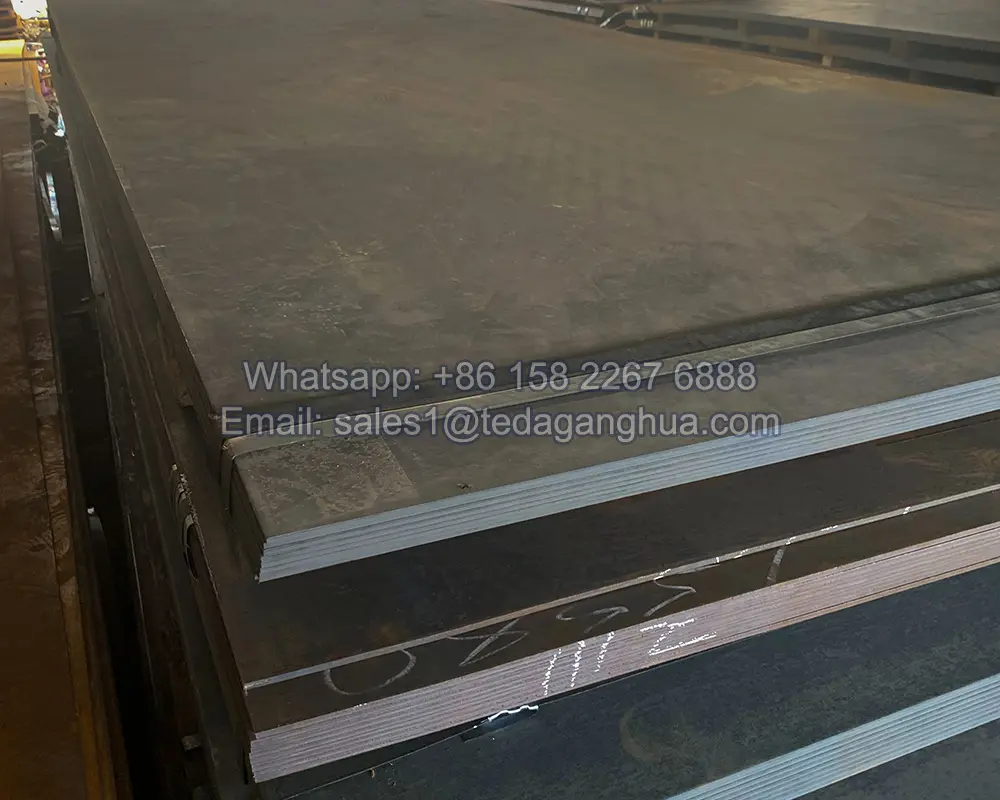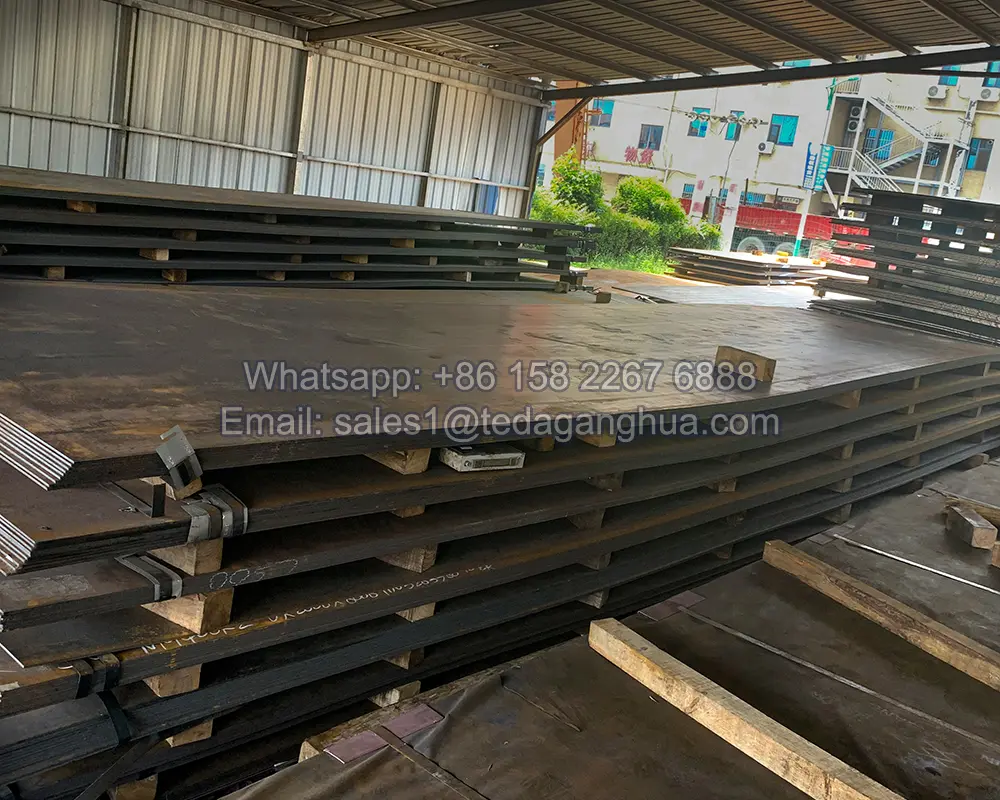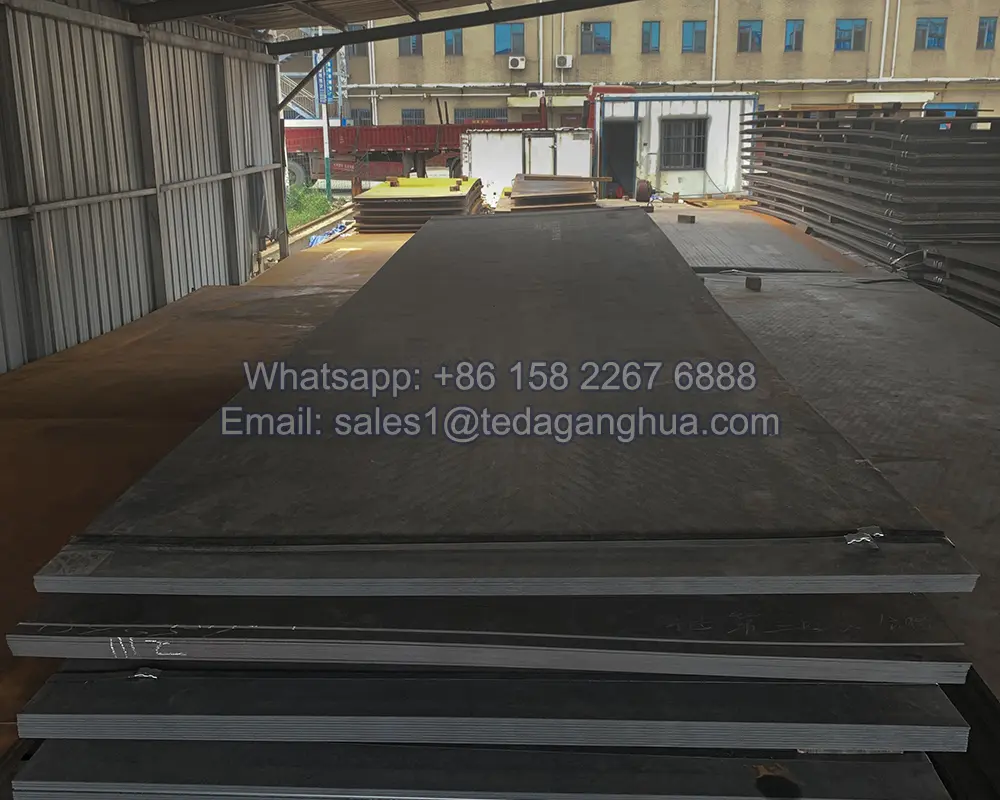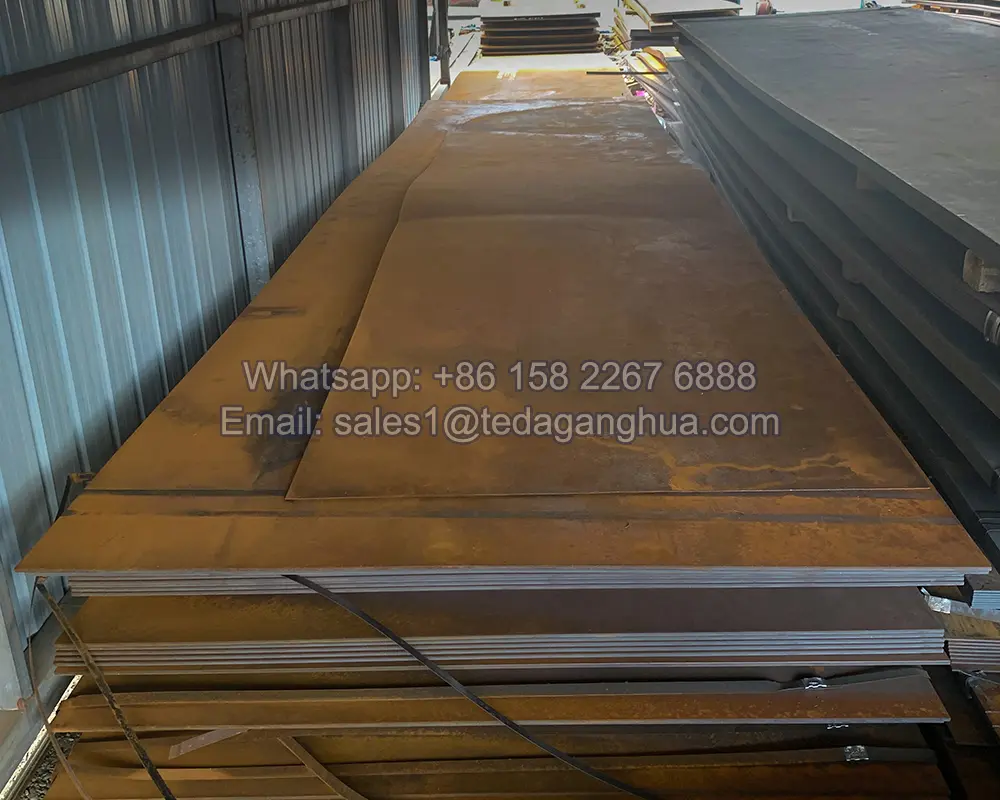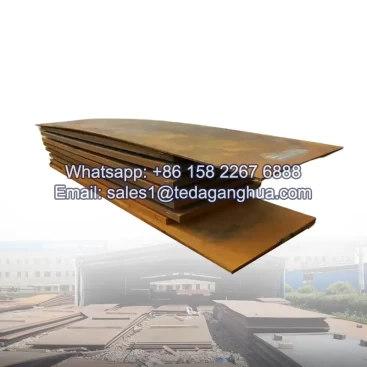
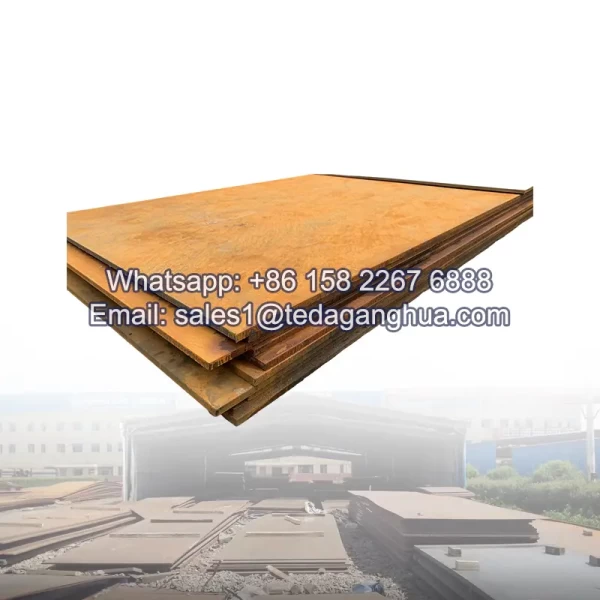
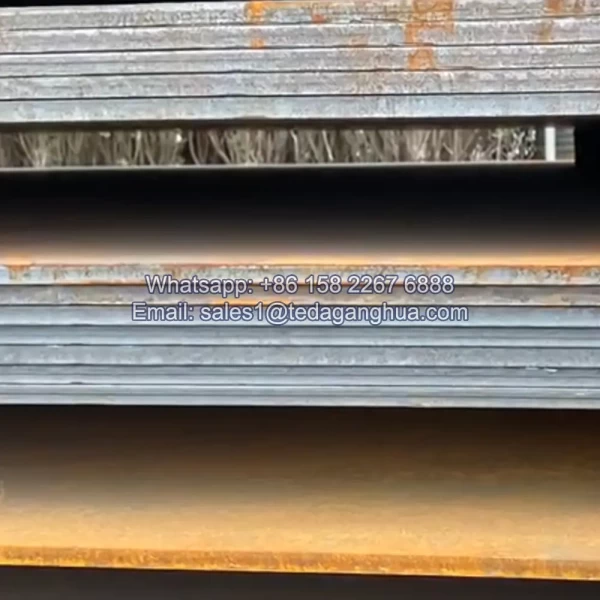
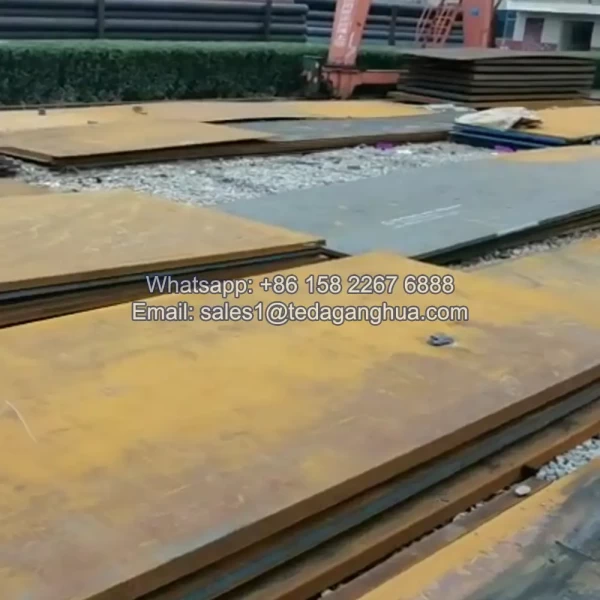
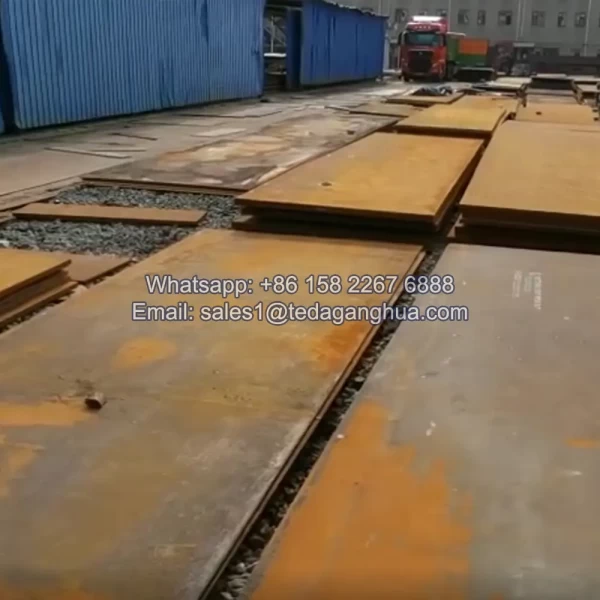
Gradi di acciaio resistenti all'usura

-
AR (Resistente all'abrasione) grades differ mainly by hardness level (HBW).
-
Higher hardness → higher wear life, Ma lower formability and toughness.
-
AR400 is the most versatile grade, used in most industries.
-
AR500–AR600 offer superior protection in mining and crushing environments.
-
Mn13 provides unmatched impact resistance through work hardening.
- Descrizione
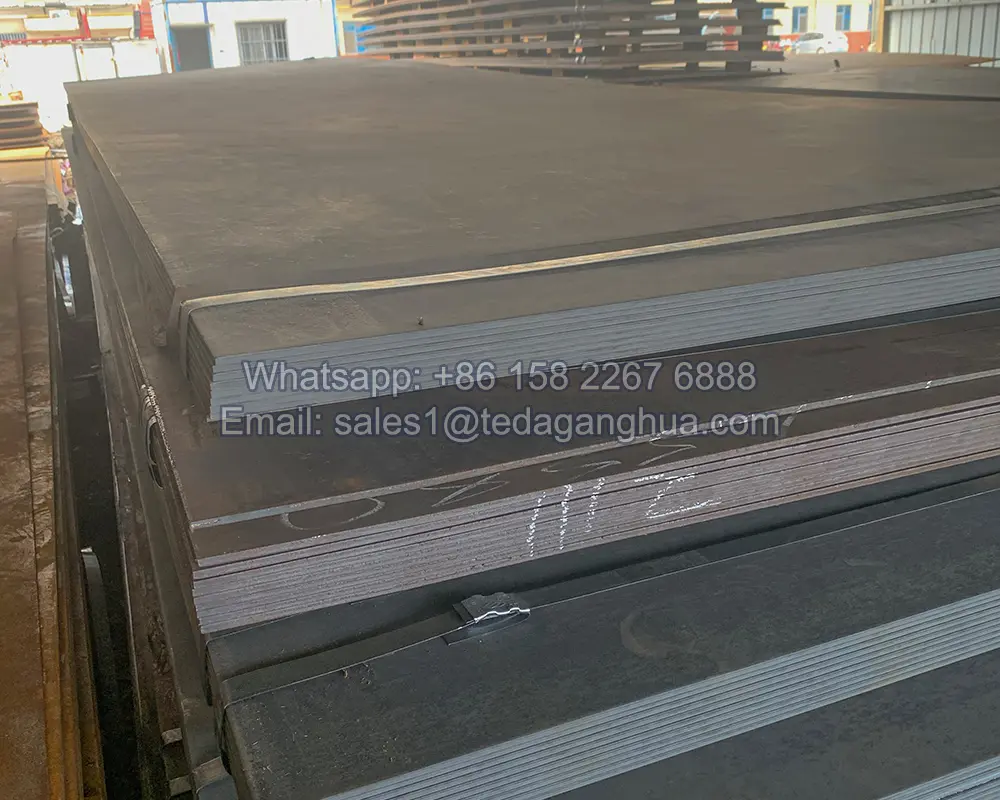
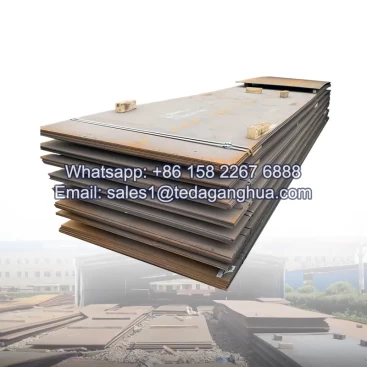
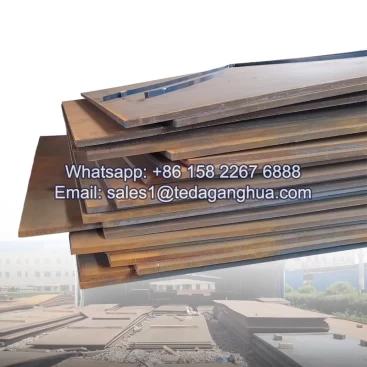
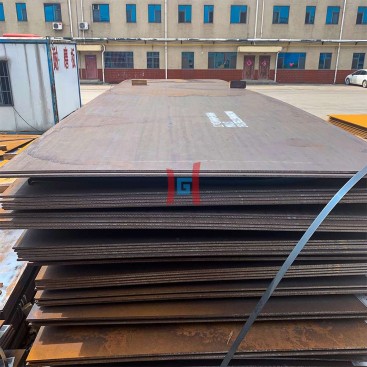
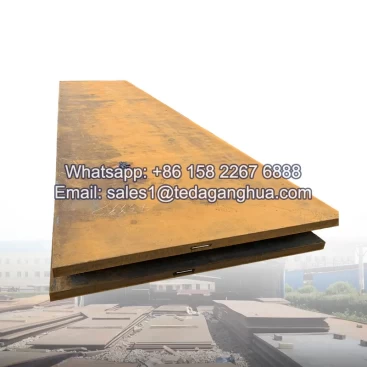
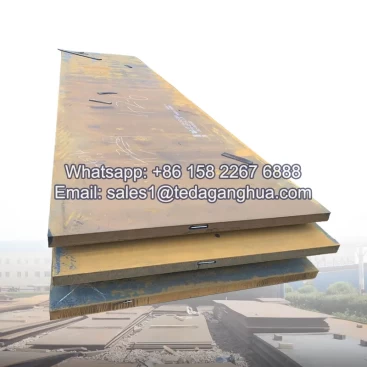
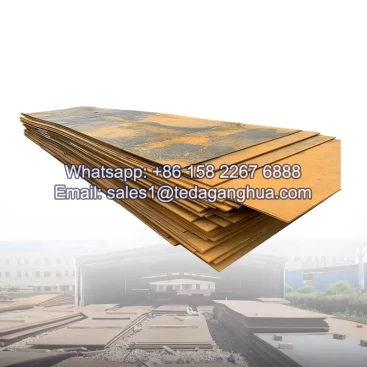
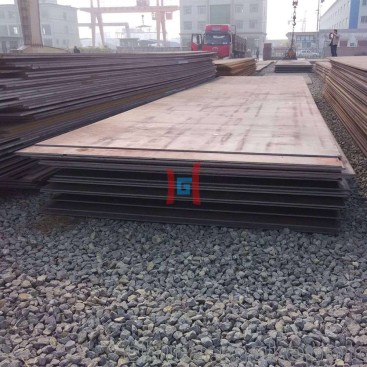
Acciaio resistente all'usura (also called abrasion resistant steel) is designed to perform under conditions of severe wear and surface friction.
Its grades — such as AR360, AR400, AR450, AR500, and AR600 — differ mainly in durezza, tenacità, E fabrication ability.
The number in each grade represents its approximate Brinell hardness value (HBW), which determines how resistant it is to abrasion and impact.
QUB: Quick Understanding Table of Wear Resistant Steel Grades
| Grado | Approx. Durezza (HBW) | Forza di snervamento (MPa) | Resistenza all'impatto (J, -40°C) | Saldabilità & Formabilità | Resistenza all'usura | Applicazioni tipiche |
|---|---|---|---|---|---|---|
| AR360 / NM360 | 320 – 380 | 900 – 1100 | ≥ 30 | Eccellente | Moderare | Truck beds, construction liners, agricultural equipment |
| AR400 / NM400 | 360 – 440 | 1000 – 1250 | ≥ 27 | Very Good | Alto | Tramogge, cade, secchi, corpi di autocarri con cassone ribaltabile |
| AR450 / NM450 | 420 – 480 | 1100 – 1350 | ≥ 25 | Bene | Molto alto | Crusher, conveyor plates, benne per escavatori |
| AR500 / NM500 | 470 – 540 | 1200 – 1400 | ≥ 20 | Moderare | Estremo | Mining trucks, indossare fodere, tagliare i bordi |
| AR600 / NM600 | 560 – 620 | 1300 – 1500 | ≥ 15 | Limitato | Massimo | Knife blades, rivestimenti d'impatto, condutture |
| Acciaio ad alto contenuto di manganese (Mn13) | Il lavoro si indurisce fino a 500 HBW | ~370 | Molto alto | Bene (under impact) | Self-hardening | Mascelle del frantoio, impact walls, railway crossings |
Key Performance Differences
-
Hardness and Wear Resistance
-
Hardness increases from AR360 → AR600.
-
Every 50 HBW increase can improve wear life by 15–25%, depending on the abrasion type.
-
-
Resistenza all'impatto
-
Lower hardness grades (AR360, AR400) have better toughness and are suitable for impact + ambienti di usura.
-
Higher grades (AR500, AR600) are best for pure sliding abrasion.
-
-
Formability and Weldability
-
AR360 and AR400 can be bent and welded easily.
-
AR500 and above require preheating E controlled cooling to avoid cracking.
-
-
Durata di servizio
-
Typical service life improvement over mild steel:
-
AR400: ~3× longer
-
AR500: ~4–5× longer
-
AR600: ~6× longer
-
-
Typical Applications by Grade
| Grado | Industria | Application Examples | Wear Condition Type |
|---|---|---|---|
| AR360 / NM360 | Costruzione | Liner, truck floors, loader bins | Medium impact + moderate abrasion |
| AR400 / NM400 | Costruzione, Agriculture | Tramogge, mixers, truck beds | Abrasione da scorrimento |
| AR450 / NM450 | Estrazione, Cemento | Cade, alimentatori, lame | Elevata abrasione + occasional impact |
| AR500 / NM500 | Estrazione, Acciaio, Energia | Fodere del frantoio, martelli, conveyor plates | Severe sliding abrasion |
| AR600 / NM600 | Energia, Riciclaggio | Bordi del coltello, wear rings, impact surfaces | Abrasione estrema, low deformation |
| Mn13 (Acciaio Hadfield) | Estrazione, Railways | Mascelle del frantoio, rail crossings | Repeated heavy impact (incrudimento del lavoro) |
Grade Selection Guide
| Operating Condition | Recommended Grade | Reason |
|---|---|---|
| High impact + moderate wear | AR360 / AR400 | Better toughness and formability |
| Continuous sliding abrasion | AR450 / AR500 | Strong surface hardness and stability |
| Usura estrema, low impact | AR600 | Maximum hardness and service life |
| Repeated impact + deformation | Mn13 | Work-hardening surface resists cracking |