Capire la differenza: AR400 vs. AR500 Wear Acciaio | Indossare un fornitore di acciaio
Panoramica
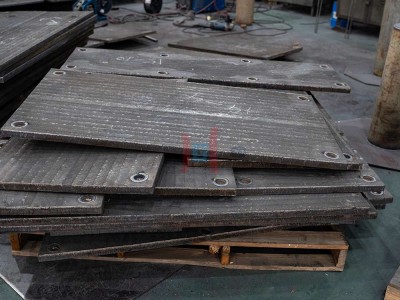
AR400 and AR500 are high-quality abrasion-resistant wear steel plates. Sono progettati per resistere a usura estrema e condizioni difficili. These plates are widely used across various industries due to their durability and strength.
Applicazioni
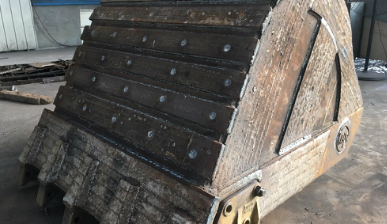
- Estrazione: Used in machinery parts, cade, trasportatori, and ore pockets.
- Costruzione: Applied in earth-moving and material-handling equipment.
- Agriculture: Ensures machinery withstands abrasive soil and crop debris.
But what makes AR400 different from 500? Let’s explore their key differences.
Differenze chiave
Durezza
- AR400 Wear Steel: Has a nominal hardness of 400 Brinell (HB). It provides moderate to high wear resistance, suitable for mining, costruzione, and material handling.
- AR500 Wear Steel: With a hardness of 500 Brinell, it offers superior wear resistance. It is ideal for shooting targets, armored vehicles, and mining equipment.
Cracking Resistance
- AR400 Steel: More ductile and tough, making it less prone to cracking under impact or dynamic loads.
- AR500 Acciaio: More likely to crack under impact but excels in sliding abrasion applications in agriculture, produzione, and mining.
Applicazioni
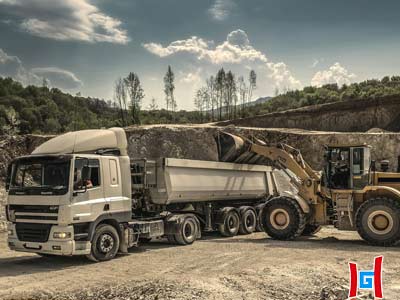
- AR400 Steel: Commonly used in corpi di autocarri con cassone ribaltabile, frantoi, tramogge, e scivoli.
- AR500 Acciaio: Preferred for ballistic plates, shooting targets, and armor plating.
Machinabilità
- AR400 Steel: Easier to machine due to lower hardness.
- AR500 Acciaio: Harder to machine; requires specialized tools and techniques.
Saldabilità
- AR400 Steel: Can be welded with proper procedures, avoiding excessive heat.
- AR500 Acciaio: Also weldable but requires careful heat management to maintain performance.
Teda Steel’s Unmatched Performance
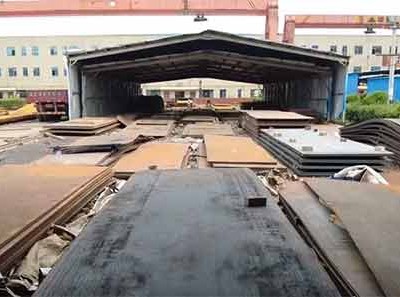
Teda Steel offers NM400 (AR400) and NM500 (AR500) wear steel plates, ensuring durability and reliability for demanding applications. Choose the right steel for your needs to enhance performance and longevity.