Acciaio resistente all'usura vs acciaio ad alto contenuto di manganese: Quale materiale è migliore per le applicazioni soggette a usura pesante?
Acciaio resistente all'usura e acciaio ad alto contenuto di manganese [Mn13 Acciaio ad alto contenuto di manganese (Acciaio Hadfield): Meccanismo di incrudimento del lavoro, Resistenza all'usura & Applicazioni industriali] sono entrambi ampiamente utilizzati in ambienti soggetti a usura elevata, ma le loro prestazioni differiscono significativamente in diverse condizioni di lavoro. Molti acquirenti presumono che la durezza sia l'unico fattore di resistenza all'usura, yet actual service life often depends on the balance between abrasion resistance and impact resistance. Nelle industrie pesanti come quella mineraria, cemento, cava, e movimentazione di materiali sfusi, selecting the right material can significantly reduce downtime and maintenance costs.
Understanding the Two Materials
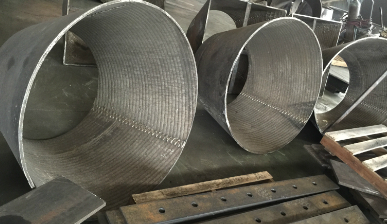
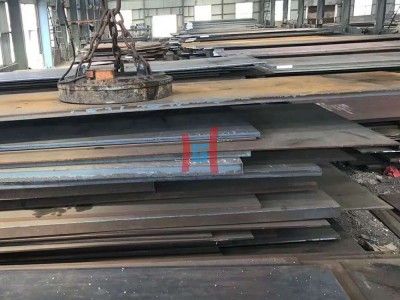
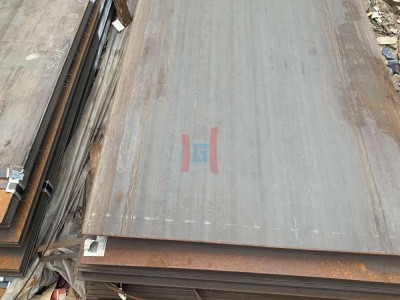
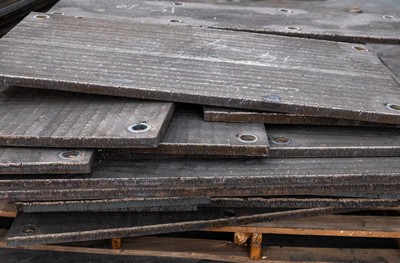
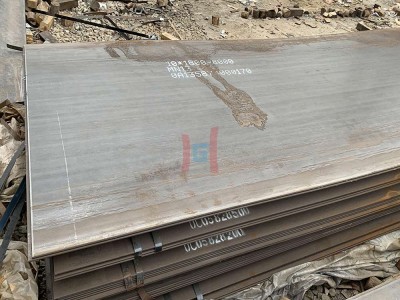
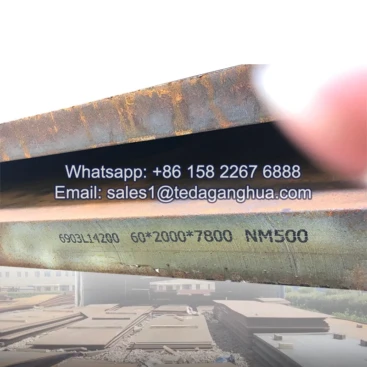
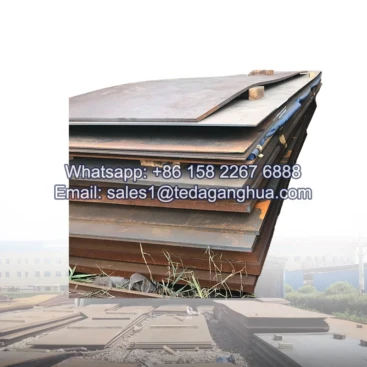
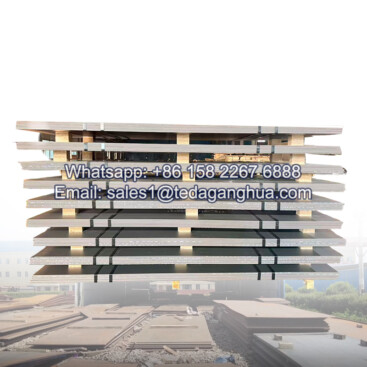
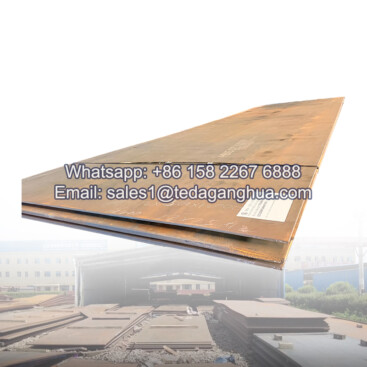
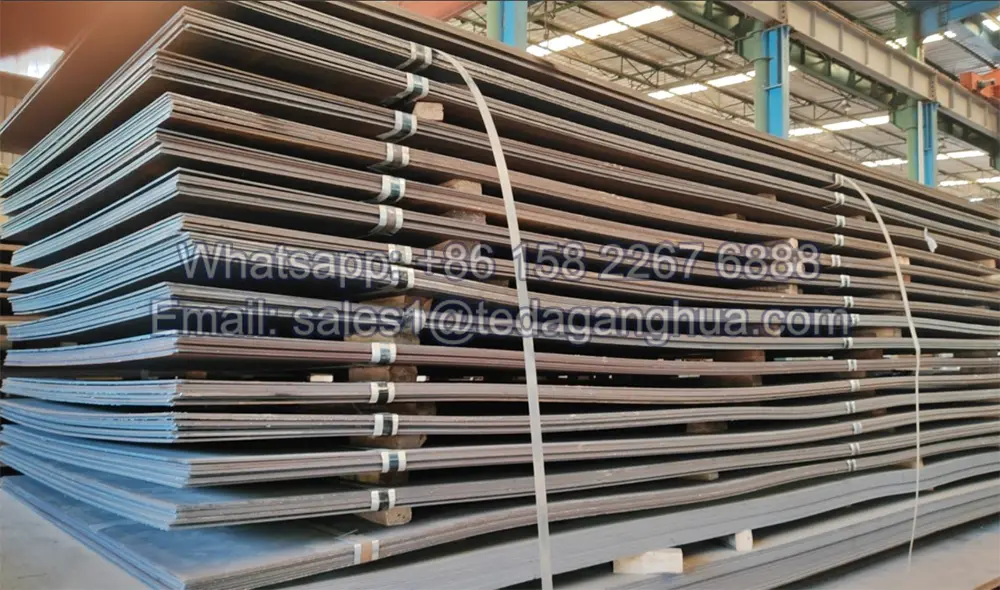
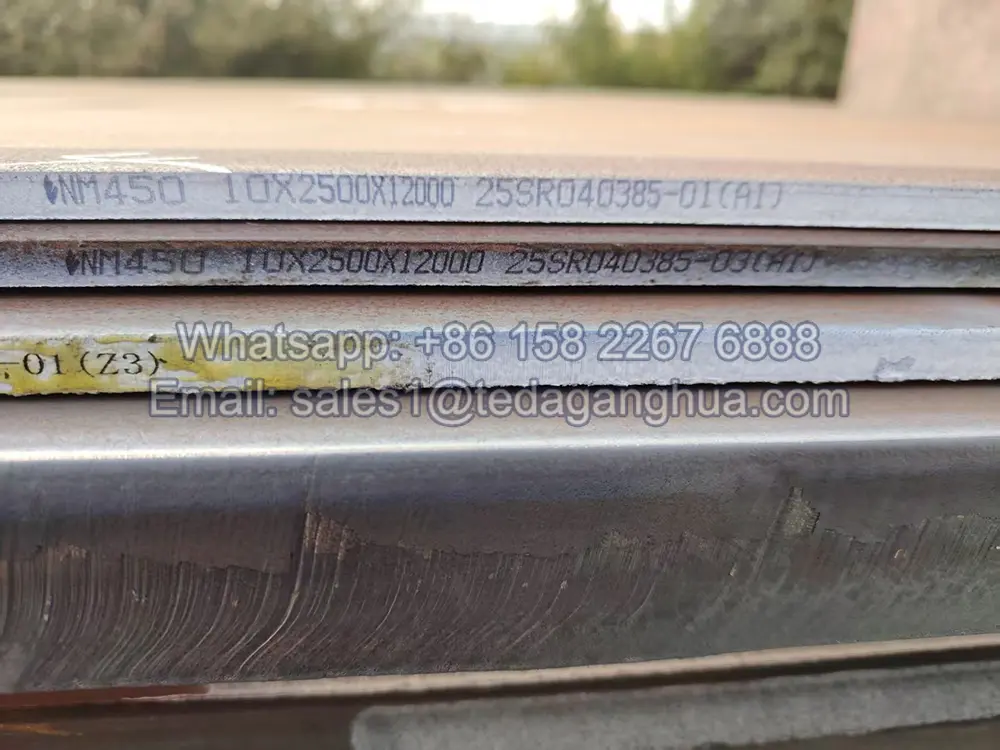
Wear-resistant steel [NM400 vs NM450 vs NM500 Acciaio resistente all'usura: Livelli di durezza, Confronto delle prestazioni & Applicazioni industriali] is engineered primarily for high hardness and strong resistance against sliding abrasion, cutting wear, and surface erosion. Typical grades are designed to maintain stable hardness throughout service life, making them ideal for applications dominated by friction and abrasive wear.
Acciaio alto manganese, commonly represented by Mn13, works on a completely different principle. Instead of relying only on initial hardness, it uses exceptional toughness and work hardening ability to resist wear under impact-heavy environments. [Taglio dell'acciaio ad alto contenuto di manganese: Perché il taglio alla fiamma ossiacetilenica non è consigliato]
Core Mechanism: Hardness vs Work Hardening
The wear resistance mechanism of wear-resistant steel is straightforward: high initial hardness resists cutting and scratching from abrasive particles. This makes it highly effective in low-impact, high-friction environments.
High manganese steel follows the principle of “becoming stronger under impact.” Under repeated impact loading, the surface rapidly work-hardens while the inner core remains tough. This creates a hardened outer layer combined with a ductile core.
Without sufficient impact force, high manganese steel cannot fully activate its work-hardening behavior, and its wear resistance may perform below expectations.
| Proprietà | Wear-Resistant Steel | Acciaio ad alto contenuto di manganese |
|---|---|---|
| Core Strength | Elevata durezza | High toughness |
| Meccanismo di usura | Abrasion resistance | Work hardening |
| Resistenza all'ambiente | Moderare | Eccellente |
| Best Use Case | Abrasione da scorrimento | Heavy impact |
Application Matrix: Which Material Wins?
Scenario A: High Impact + Large Material Size
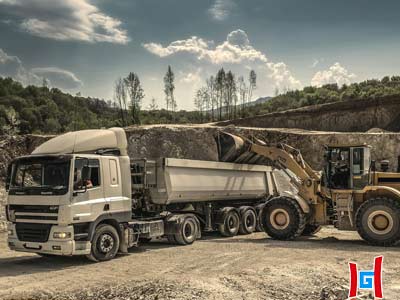
Applications such as primary crusher liners, hammer crushers, railway crossings, and mining jaw plates involve extreme impact loads. In questi ambienti, high manganese steel is typically the superior choice because it can absorb impact while hardening during operation.
🏆 Winner: Acciaio ad alto contenuto di manganese
Scenario B: Low Impact + High Sliding Abrasion
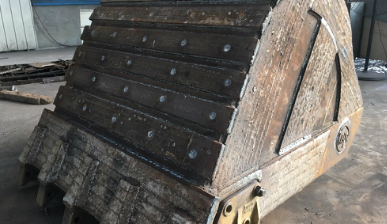
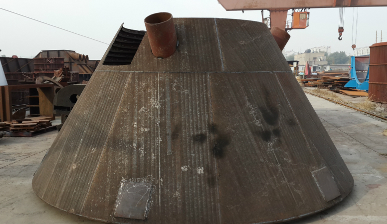
Applications such as chutes, tramogge, truck dump bodies, cement silos, and conveyor liners are dominated by friction and abrasive wear rather than impact.
High surface hardness provides better protection against constant abrasion.
🏆 Winner: Wear-Resistant Steel
Scenario C: Mixed Working Conditions
When both impact and abrasion exist, material selection becomes more complex. Engineers must balance hardness, tenacità, and lifecycle cost to determine the optimal solution.
In alcuni casi, layered wear solutions or hybrid designs may provide the best performance. [Piastra di rivestimento in acciaio ad alto contenuto di manganese e carburo di cromo per taglienti di pinze per rottami]
Fabrication and Maintenance Considerations
Material selection also affects fabrication efficiency and maintenance strategy.
Wear-resistant steel often requires controlled cutting procedures and preheating before welding, especially for thicker plates. Improper welding may introduce cracking risk. [Metodi di installazione delle piastre antiusura: Confronto tra connessione a bullone e saldatura a spina]
High manganese steel requires careful thermal control during welding because prolonged high-temperature exposure can reduce its work-hardening properties and toughness.
From a maintenance perspective, total cost of ownership matters more than material price alone. Frequent replacement leads to higher labor costs, production downtime, and operational losses.
Decision Matrix for Material Selection
| Impact Intensity | Abrasive Hardness | Recommended Material |
|---|---|---|
| Basso | Alto | Wear-Resistant Steel |
| Alto | Low-Medium | Acciaio ad alto contenuto di manganese |
| Alto | Alto | Case-by-case engineering analysis |
Commercial Value for Industrial Buyers
For distributors, OEM manufacturers, and industrial project contractors, choosing the correct wear material improves equipment uptime and reduces long-term maintenance costs. Selecting the wrong material often results in premature failure, higher replacement frequency, and significant production losses.
Reliable sourcing of high-quality acciaio resistente all'usura and industrial wear materials ensures stable quality and consistent performance across demanding applications.
If working conditions are uncertain, professional wear analysis and engineering consultation can significantly improve material selection accuracy and reduce operational risk.
FAQ
Is harder steel always better for wear resistance?
NO. Hardness improves abrasion resistance, but impact resistance and toughness are equally important in many applications.
Why does high manganese steel perform poorly in low-impact environments?
Because it depends on impact-induced work hardening to achieve optimal wear resistance. [Perché la mia piastra di rivestimento in acciaio ad alto contenuto di manganese si deforma? Cause, Diagnosi & Alternative NM400]
Which material is better for crusher liners? [Rivestimento del frantoio secondario: Perché l'acciaio ad alto contenuto di manganese sostituisce l'acciaio resistente all'usura nelle miniere d'oro]
High manganese steel is usually preferred because of its excellent impact resistance and work-hardening capability.
Which material is better for chutes and hoppers?
Wear-resistant steel is typically more effective in high-abrasion, low-impact conditions.
How should industrial buyers choose between the two?
Material selection should be based on impact intensity, abrasive hardness, and total ownership cost rather than purchase price alone. [Calcolatore dei costi dell'acciaio resistente all'usura: Costo di acquisto iniziale rispetto al risparmio sulla manutenzione a lungo termine]