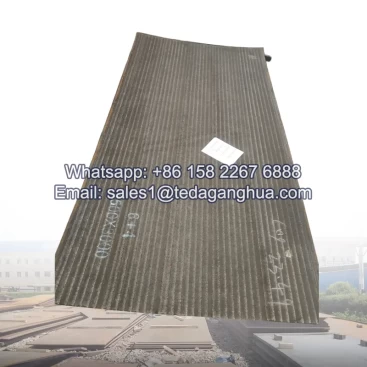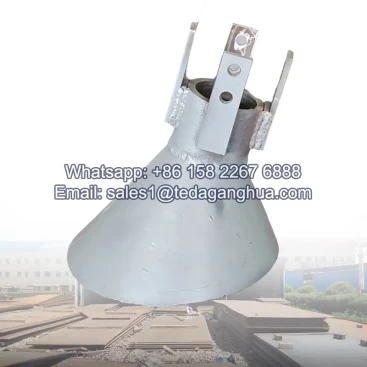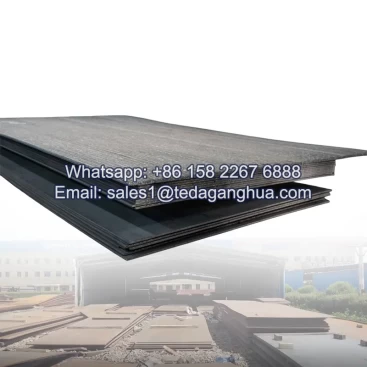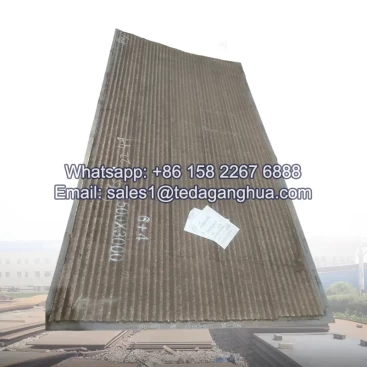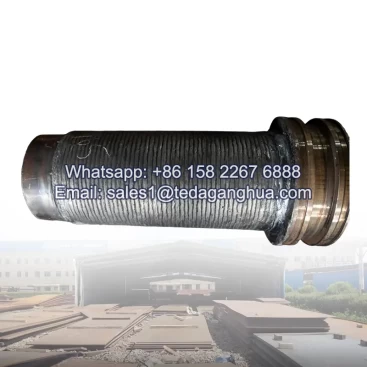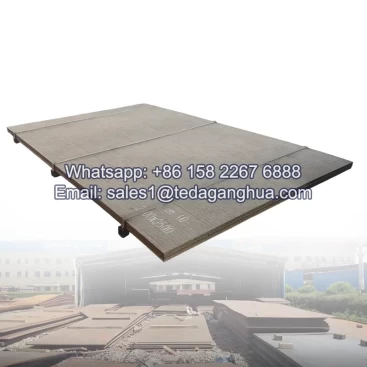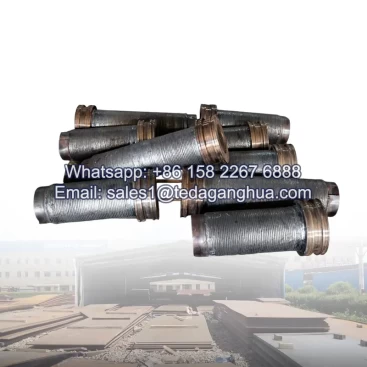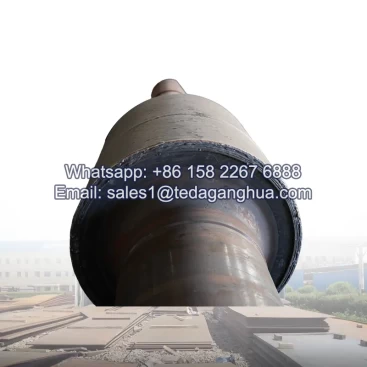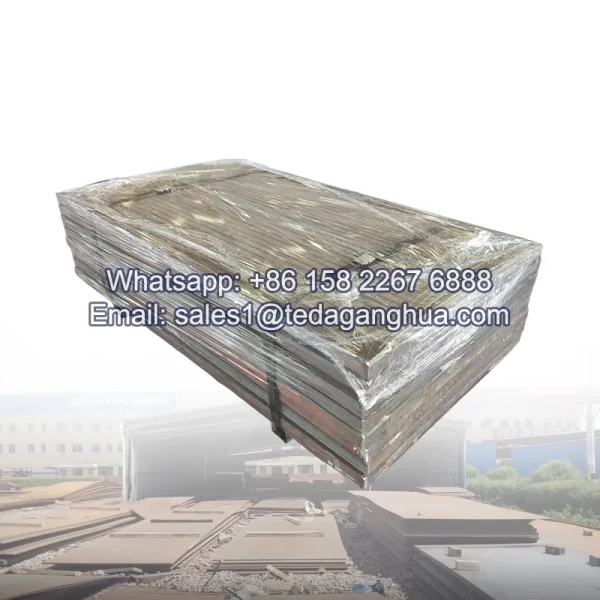
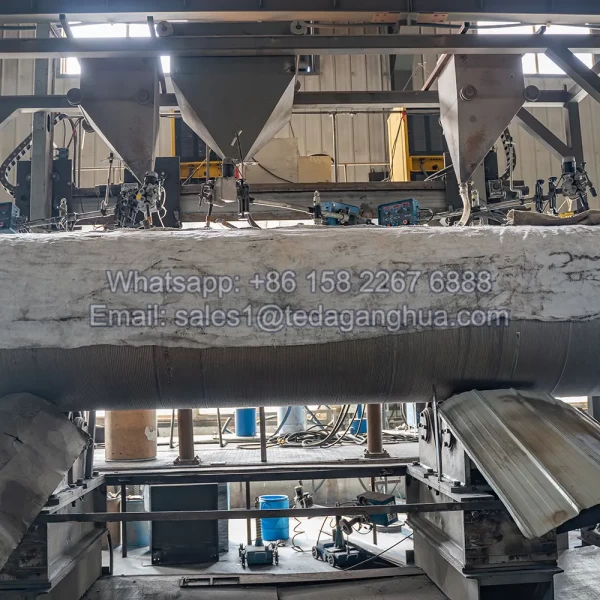
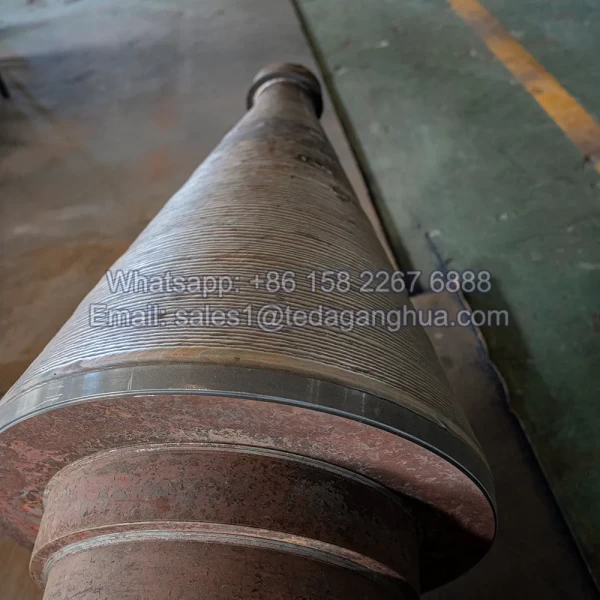
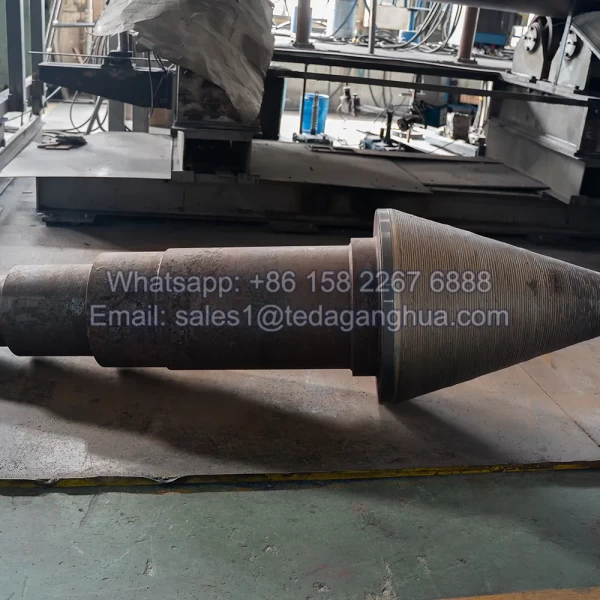
炭化クロムコーティング
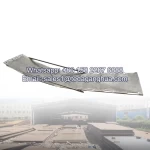
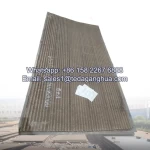
Chromium carbide coating provides an ultra-hard, carbide-rich surface that significantly enhances the durability and reliability of steel components in harsh environments.
It offers:
-
並外れた 耐摩耗性
-
素晴らしい corrosion and heat protection
-
Proven service life extension
For manufacturers and suppliers of stainless steel, プレートを着用してください, and tubing, offering chromium carbide surface treatment can expand product value and market coverage—especially for industries such as 採掘, セメント, 油 & ガス, and heavy equipment fabrication.
- 説明
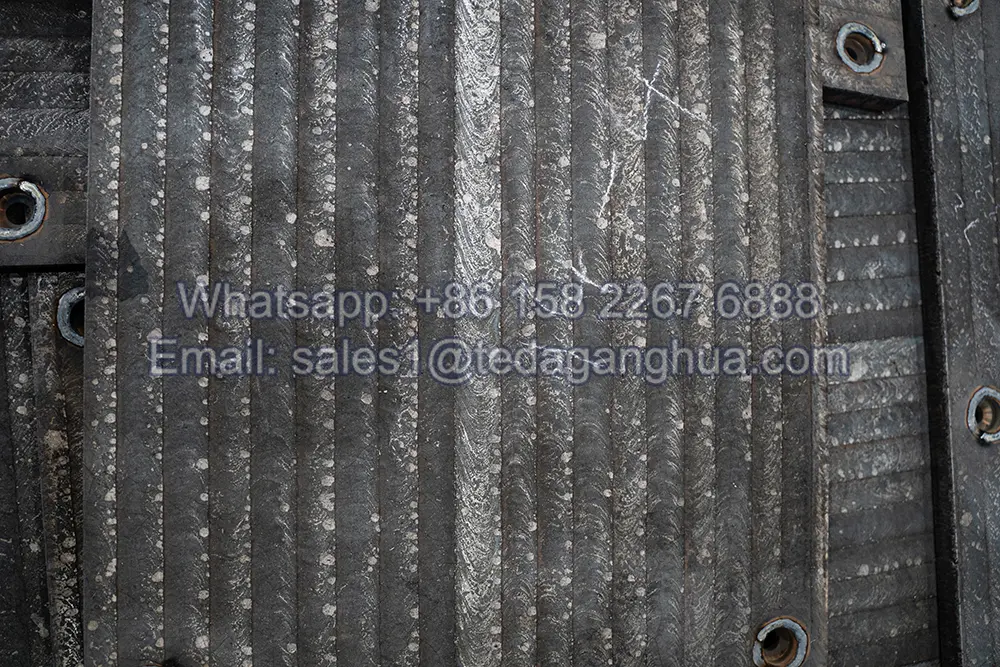
Chromium carbide coating is a hard surface layer created by depositing chromium carbide particles (such as Cr₃C₂ or Cr₇C₃) onto a metal substrate. It forms a carbide-rich surface that significantly improves resistance to wear, 腐食, and high temperature.
This coating is typically applied using thermal spray, HVOF (高速酸素燃料), または 肉盛溶接 processes. The outer surface becomes dominated by chromium-carbide crystals, providing a protective barrier for the underlying steel or alloy.
Key Advantages of a Chromium Carbide Surface
1. Superior Hardness and Wear Resistance
Chromium carbide is an extremely hard compound, with coating hardness values typically reaching 1050–1250 HV または up to 60–70 HRC. This high hardness enables the surface to resist severe abrasion, sliding wear, and particle impact.
In industrial tests, chromium carbide coatings extend component life by 20–30 times compared to uncoated carbon steel when exposed to abrasive conditions.
2. Corrosion and Oxidation Resistance
The dense, low-porosity structure of the chromium-carbide layer provides excellent corrosion and oxidation protection. The chromium content promotes passive film formation that resists chemical attack from acids, 塩, and gases.
These coatings also maintain their hardness and chemical stability at elevated temperatures up to 800 ℃, making them ideal for furnaces, 熱交換器, and high-temperature processing equipment.
3. Cost Efficiency and Service Life
Although the initial coating process adds cost, の extended service life, reduced maintenance, そして less downtime often make chromium carbide coating the most economical option for wear-critical equipment.
Typical Properties of Chromium Carbide Coatings
| 財産 | 代表値 | 説明 |
|---|---|---|
| Microhardness (HV) | 1050–1250 HV | Indicates excellent wear resistance |
| 硬度 (HRC) | 60–70 HRC | Equivalent surface hardness to tool steel |
| Maximum Service Temperature | 500–800 °C | Retains hardness at elevated temperatures |
| Thermal Expansion Coefficient | 10.3 × 10⁻⁶ /°C | Similar to steel, reduces cracking risk |
| 構成 (Cr / C wt%) | Cr: 28–32 %, C: 4.2–5.8 % | Represents a carbide-rich phase |
| Wear Life Improvement | 20–30× vs carbon steel | Based on field and lab data |
Applications of Chromium Carbide Surface
あ chromium carbide surface is widely used where extreme wear and corrosion occur, 含む:
-
鉱業と採石業: 滝, ホッパー, ライナー, 破砕機, およびコンベア.
-
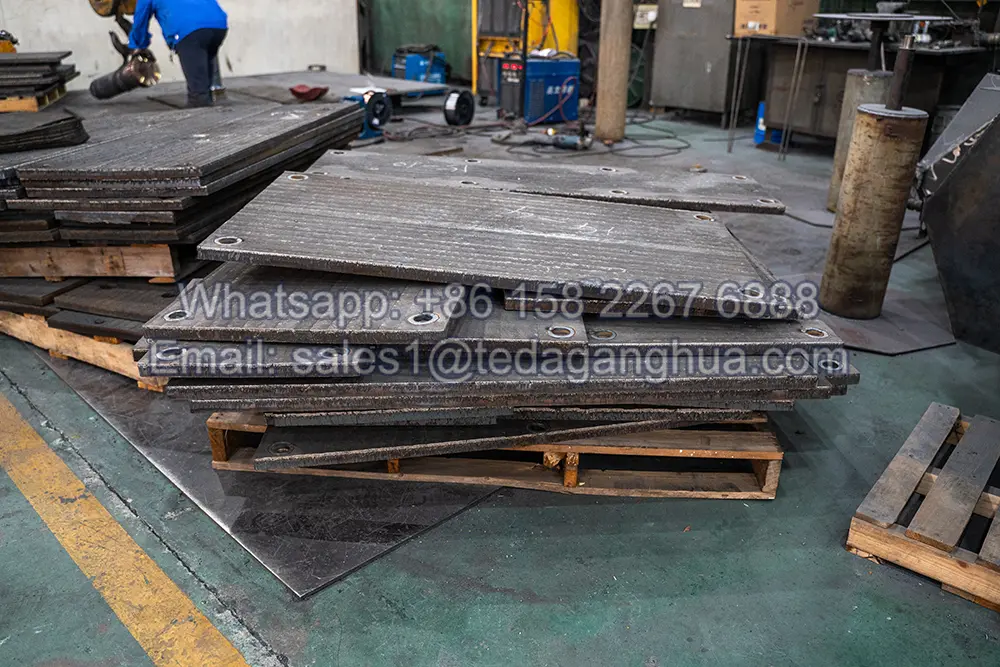
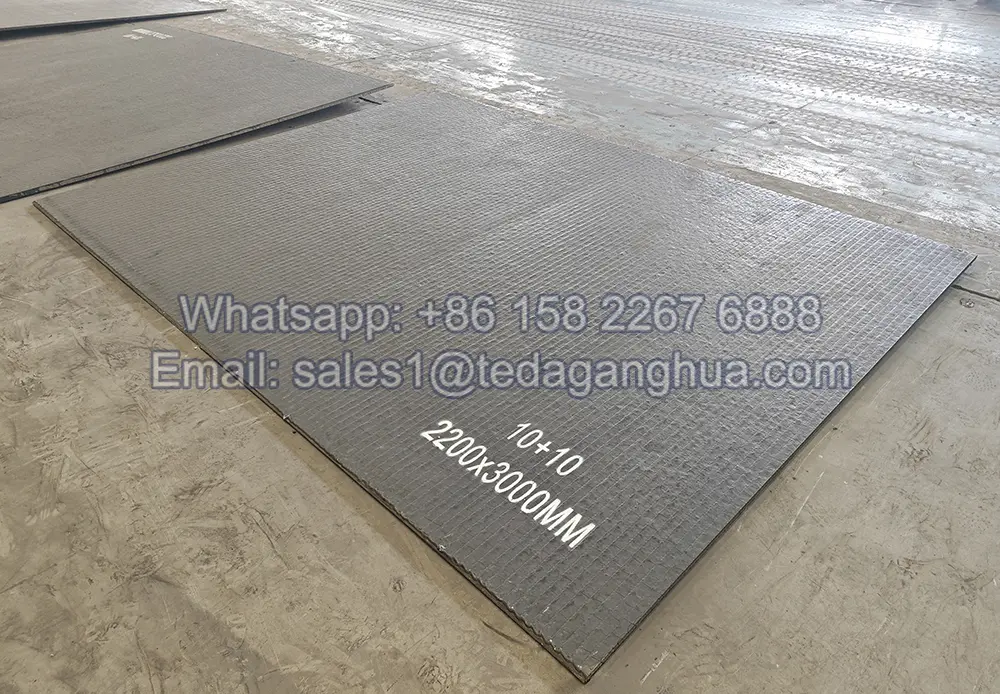
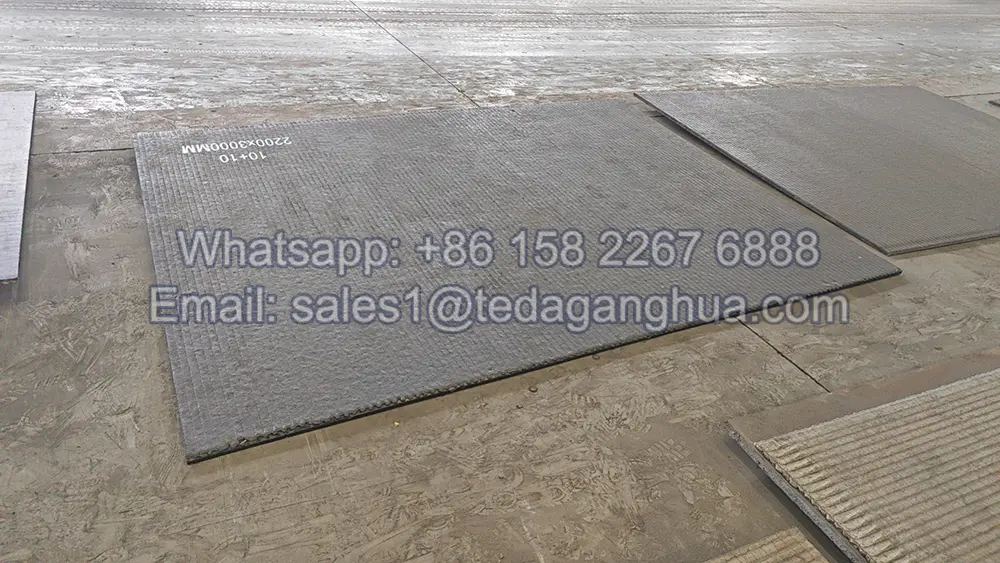
Cement and Construction: ミキサーブレード, プレートを着用してください, and bucket lips.
-
Oil and Gas: Valve components, pumps, and downhole tools exposed to abrasive slurry.
-
発電: Boiler tubes, coal mills, and heat-exchanger surfaces.
-
Steel and Metallurgy: Rollers, guide plates, and handling tools for hot metals.
-
Automotive and Heavy Machinery: Exhaust components, engine parts, and high-friction zones.
Surface Structure and Metallurgical Features
The chromium carbide surface typically consists of:
-
Hard chromium-carbide phases (Cr₃C₂ or Cr₇C₃) embedded in a metal binder such as nickel or nickel-chromium alloy.
-
Metallurgical bonding with the base metal, ensuring high adhesion and impact resistance.
-
Low porosity and smooth surface finish for low friction and reduced corrosion paths.
-
熱安定性 due to the close match of expansion coefficients between coating and substrate.
These characteristics make the coating durable under both high-load and high-temperature environments.
Design and Application Considerations
When specifying or using chromium carbide coatings, 考慮する:
-
Bond quality – ensure strong metallurgical adhesion.
-
厚さ – thicker coatings improve life but may reduce flexibility.
-
Surface finishing – grinding or polishing may be needed for low-friction surfaces.
-
Thermal compatibility – avoid cracking due to different expansion rates.
-
Operating conditions – evaluate temperature, 摩耗タイプ (研磨剤, スライディング), and corrosion level.
-
修理可能性 – coatings can be re-applied or refurbished when worn.