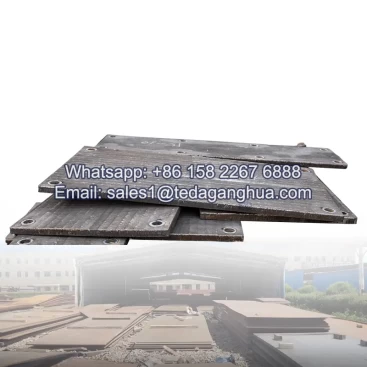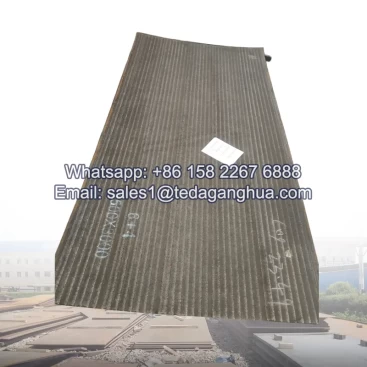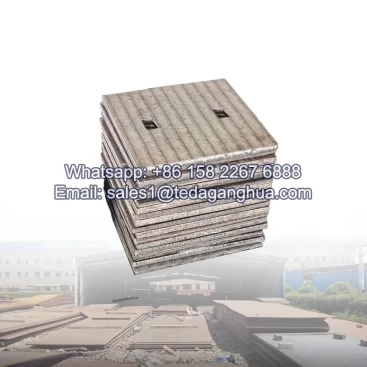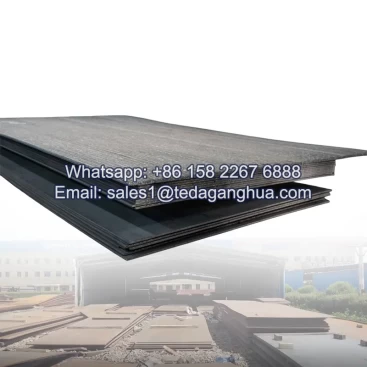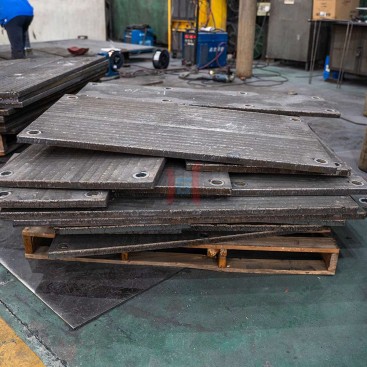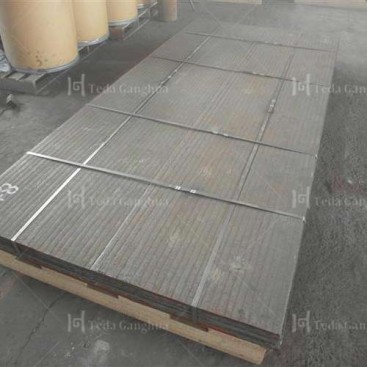

硬化肉盛鋼

の hardfacing layer in hardfacing steel is produced through controlled overlay welding, using methods such as 見た, FCAW, スマウ, or PTA.
By combining a hard, wear-resistant overlay with a 頑丈なスチールベース, hardfacing steel delivers maximum protection in extreme wear and impact environments, に最適です 採掘, セメント, 力, およびマテリアルハンドリングアプリケーション.
- 説明
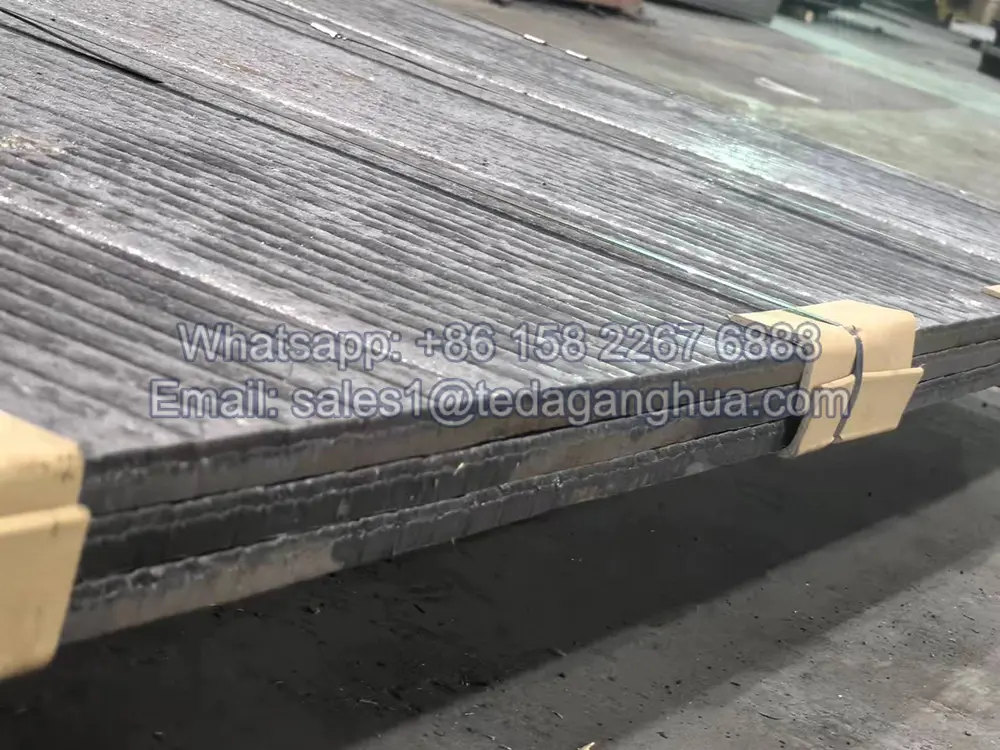
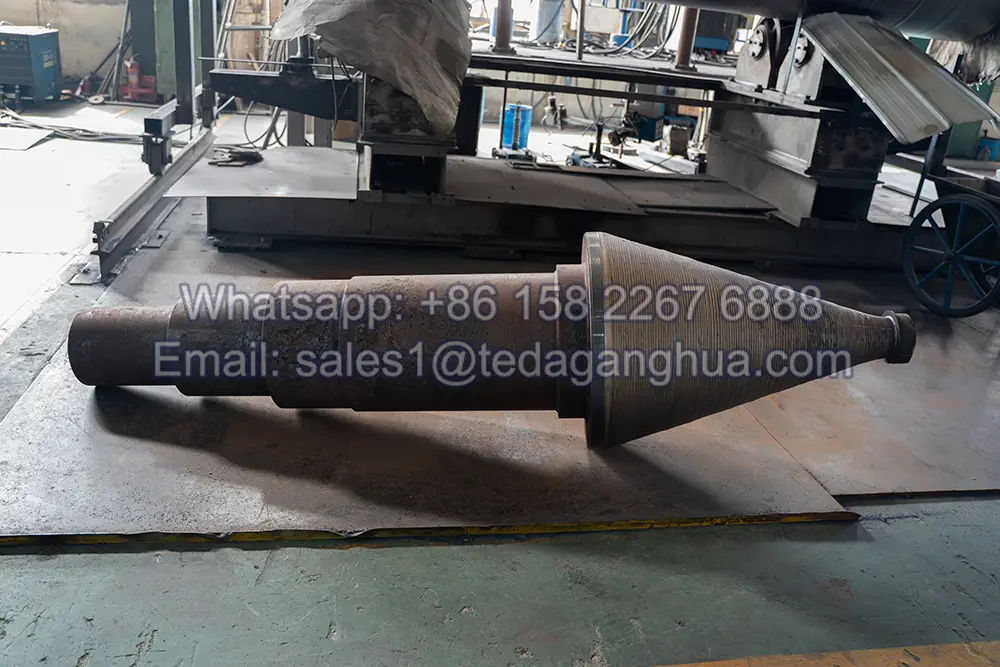
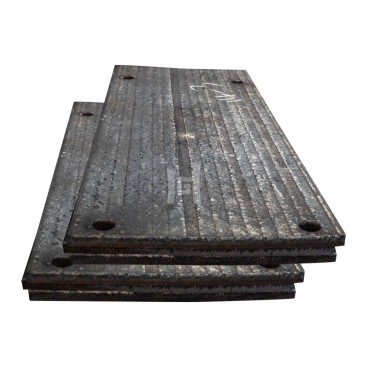
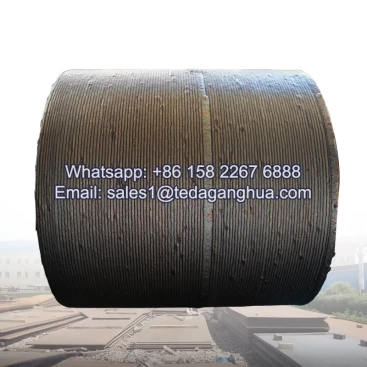
Hardfacing steel refers to steel components that have been coated with a hard, 耐摩耗層 through 肉盛溶接.
の hardfacing layer dramatically increases the 摩耗, インパクト, and erosion resistance of industrial parts, extending service life in 採掘, セメント, 力, およびマテリアルハンドリングアプリケーション.
Hardfacing Layer Structure
A typical hardfaced steel component has two main layers:
-
オーバーレイレイヤー (硬化肉盛層)
-
製 high-alloy steel, 炭化クロム, or cobalt-based alloys.
-
硬度: 50–65 HRC depending on the material.
-
関数: Protects against sliding, インパクト, and erosive wear.
-
-
ベース鋼層
-
Usually mild steel (Q235), AR/NM wear steel, or structural steel.
-
提供します 靭性, 耐衝撃性, と構造的なサポート.
-
Hardfacing Welding Processes
Several welding techniques are used to deposit the hardfacing layer:
| プロセス | 説明 | 利点 |
|---|---|---|
| サブマージアーク溶接 (見た) | Large-scale welding with chromium carbide or hardfacing wires | 高い成膜速度, uniform layer thickness |
| フラックス入りアーク溶接 (FCAW) | Uses flux-cored wires with hard particles | Flexible, suitable for medium and small parts |
| Shielded Metal Arc Welding (スマウ) | Manual welding with hardfacing rods | Simple, ideal for repairs or field work |
| Plasma Transferred Arc (PTA) | High-energy plasma weld deposits powder overlay | 非常に高い硬度, minimal dilution, 優れた耐摩耗性 |
Key Considerations in Hardfacing
-
オーバーレイの厚さ
-
通常 3–20mm depending on wear conditions.
-
Multi-pass welding may be used to build up the desired thickness.
-
-
予熱 & Interpass Temperature
-
Thick steel components may require 予熱 (150–250℃) to prevent cracking.
-
Interpass temperature control ensures uniform hardness and minimal residual stress.
-
-
Dilution Control
-
Maintaining low dilution (≤10–15%) between the overlay and base steel is critical to preserve hardness.
-
-
溶接後の熱治療
-
Stress relief at 150–200℃ may be applied.
-
Reduces residual stresses and ensures dimensional stability.
-
-
Surface Finishing
-
Grinding or shot blasting removes weld spatter and uneven surfaces.
-
Ensures consistent wear resistance and smooth operation.
-
Typical Applications of Hardfacing Steel
-
マイニング: クラッシャーライナー, bucket edges, ハンマープレート
-
セメント & コンクリート: スラリーシュート, ミキサーブレード, スクリューコンベア
-
発電所: Coal chutes, ash handling equipment
-
リサイクル & マテリアルハンドリング: シュレッダー, 衝撃面, コンベアライナー
Advantages of Hardfacing Layer
-
極めて高い耐摩耗性: Protects equipment from sliding and impact abrasion
-
耐用年数の延長: Reduces downtime and maintenance costs
-
Customized Overlay: Thickness and alloy composition tailored to operating conditions
-
衝撃靱性: Steel base absorbs shocks while the overlay resists wear