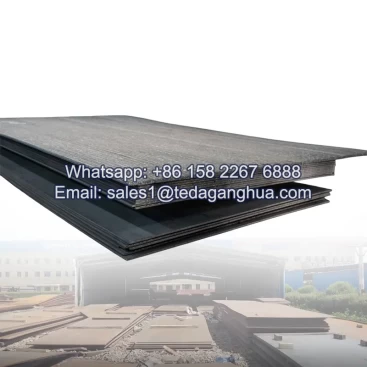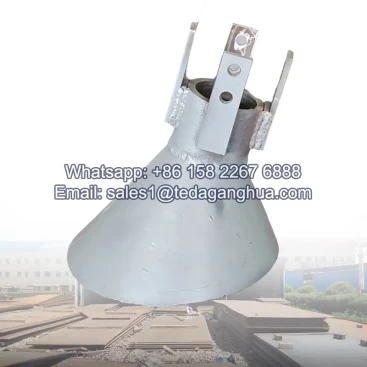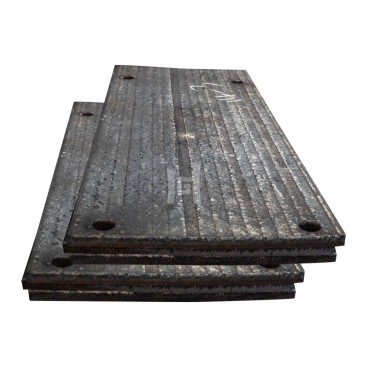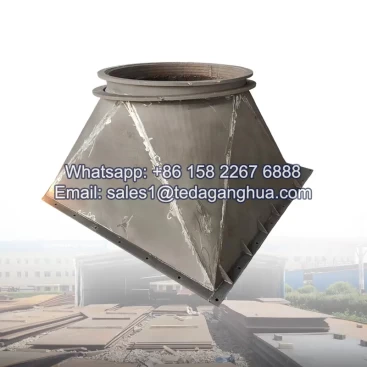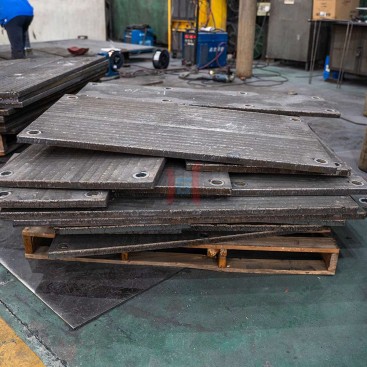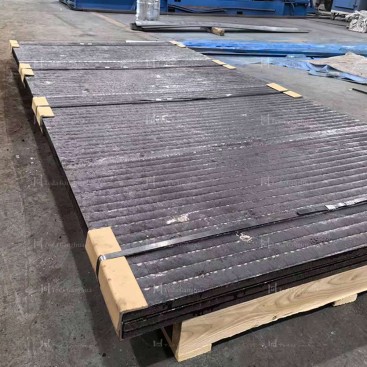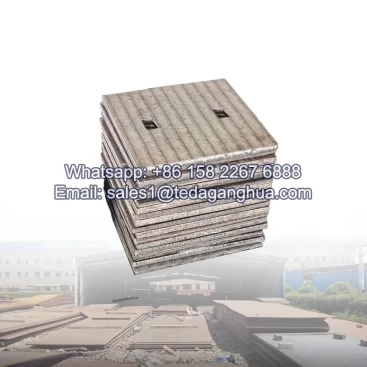
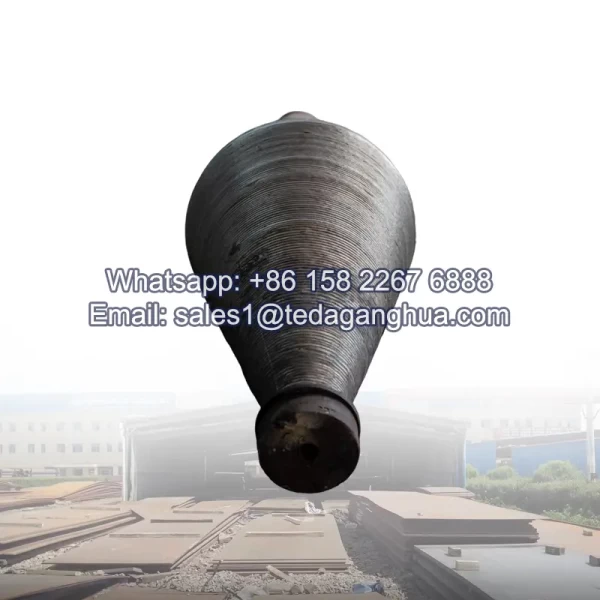


炭化クロムオーバーレイ摩耗プレート
の Chromium Carbide Overlay layer is the heart of CCO wear plates, 提供:
-
High hardness for abrasion resistance
-
Strong metallurgical bonding for toughness
-
Customizable thickness for different industrial requirements
- 説明
炭化クロムオーバーレイ (CCO) Wear Plates are bimetallic steel plates where a high-hardness chromium carbide layer is welded onto a 頑丈なスチールベース.
The overlay layer is the key component that provides the plate’s extreme wear resistance, に最適です 採掘, セメント, 力, およびマテリアルハンドリングアプリケーション.
Structure of the Chromium Carbide Overlay Layer
-
表面層 (炭化クロム):
-
構成: Mainly chromium (Cr) and carbon (C), often with small amounts of Ni, モー, or Fe.
-
微細構造: 密集, hard chromium carbide particles embedded in a metallic matrix.
-
硬度: 通常 58–65HRC, depending on grade and overlay thickness.
-
関数: 提供します high resistance to sliding wear and abrasion.
-
-
移行ゾーン:
-
目的: Ensures metallurgical bonding between the overlay and the steel base.
-
特徴: Slightly lower hardness than the surface, maintains adhesion and toughness, and reduces risk of cracking.
-
-
Steel Base Layer:
-
Usually Q235, S355, NM400, またはAR400/450.
-
目的: 提供します impact toughness and structural strength while supporting the hard overlay.
-
Characteristics of the Overlay Layer
| 財産 | 説明 | Effect on Performance |
|---|---|---|
| 硬度 (HRC) | 58–65 | Resists severe sliding and abrasive wear |
| 厚さ (mm) | 3–20 | Adjusted according to application severity |
| 微細構造 | Chromium carbide particles in metallic matrix | High wear resistance with some toughness |
| Bonding Strength | Strong metallurgical weld with base | Prevents delamination during impact |
| 表面仕上げ | Shot-blasted or ground | Ensures consistent wear and smooth material flow |
Manufacturing Considerations of the Overlay
-
Overlay Material Selection:
-
Chromium carbide alloy wires, rods, or powders are used.
-
Alloy composition affects 硬度, 耐摩耗性, and cracking susceptibility.
-
-
溶接工程:
-
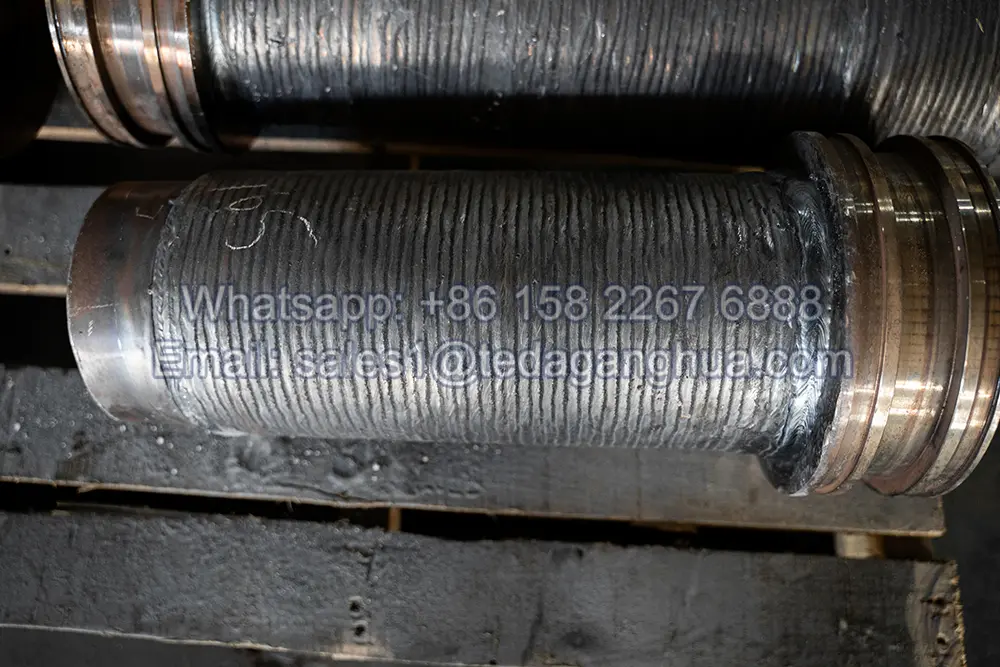
サブマージアーク溶接 (見た): High deposition rate for large plates.
-
Plasma Transferred Arc (PTA): Produces uniform hardness with low dilution.
-
フラックス入りアーク溶接 (FCAW) / スマウ: Flexible, for small plates or repairs.
-
-
Overlay Thickness Control:
-
Critical to ensure optimal wear life.
-
Multi-pass welding builds up the desired thickness while maintaining surface hardness.
-
-
Heat Treatment and Stress Relief:
-
Post-weld heat treatment may be applied at 150–200℃.
-
Reduces residual stress and prevents cracking during service.
-
-
Surface Finishing:
-
Grinding or shot blasting removes slag, spatter, and irregularities.
-
Ensures uniform wear and consistent abrasion resistance.
-
Applications of Chromium Carbide Overlay Layer
The overlay layer enables wear plates to perform in extremely abrasive and impact-heavy environments, 含む:
-
マイニング: クラッシャーライナー, ハンマープレート, 鉱石ホッパー
-
セメント & コンクリート: スラリーシュート, ミキサーライナー, スクリューコンベア
-
発電所: 石炭処理システム, ash chutes
-
リサイクル & マテリアルハンドリング: シュレッダー, インパクトプレート, コンベアライナー
Key Advantages of the Overlay Layer
-
Extreme Abrasion Resistance: Chromium carbide particles resist sliding wear and impact.
-
長寿命: Properly designed overlays can last 5–10倍長い 軟鋼よりも.
-
Impact Support: Transition zone and base steel absorb energy, preventing delamination.
-
カスタマイズ可能なデザイン: 厚さ, 硬度, and size can be tailored to application needs.