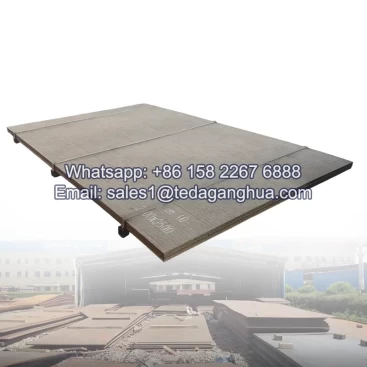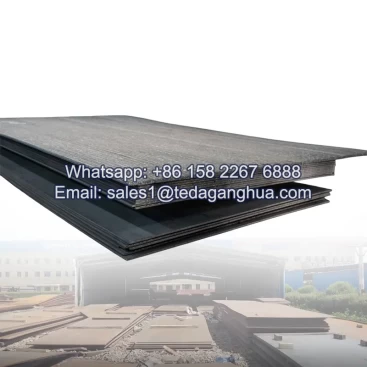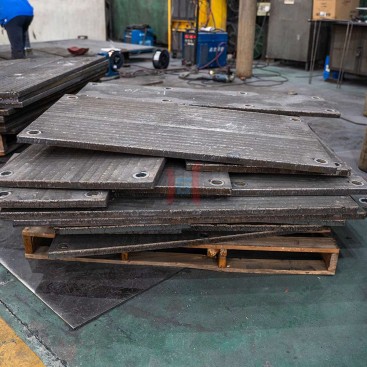
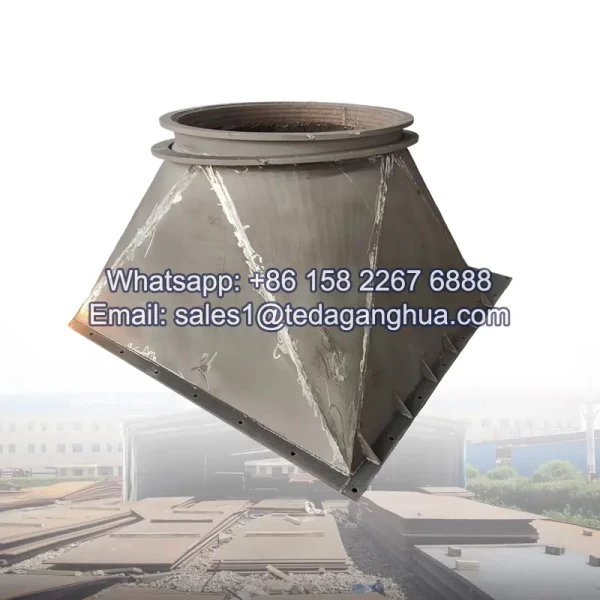

ウェアプレート
Wear plates are essential in extending the service life of equipment and reducing maintenance costs. Whether it’s through quenched and tempered steels or advanced overlay technologies, selecting the right wear plate material depends on operating temperature, 衝撃荷重, and abrasion type.
- 説明
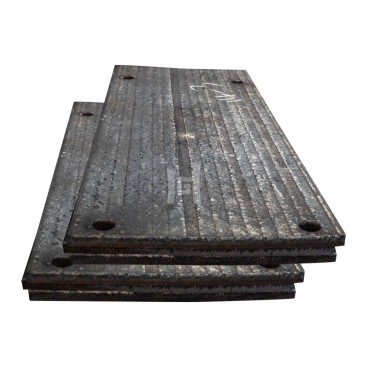
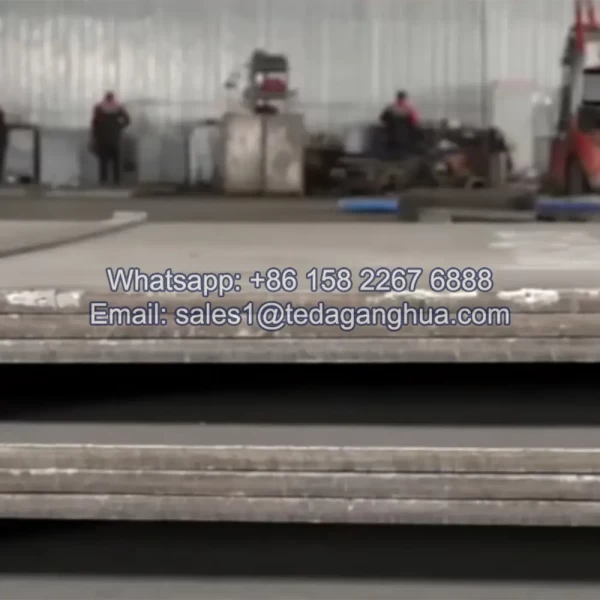
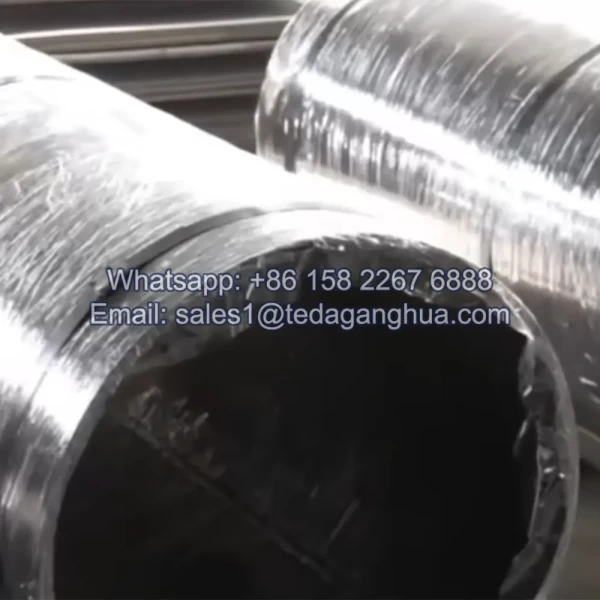
Wear plate refers to a type of steel plate designed to resist abrasion, インパクト, and erosion in demanding working environments. It is widely used in industries such as mining, 工事, セメント, and steel production. The choice of wear plate material depends on the type of wear — sliding, インパクト, or high-temperature abrasion. Below are the most common types of wear-resistant steels used today:
| ウェアプレートの種類 | Material Description | 主な特長 | 代表的な用途 |
|---|---|---|---|
| AR400 / AR450 / AR500 Plate | Quenched and tempered alloy steel with high hardness and good toughness. | High abrasion resistance with moderate weldability. | バケツ, ダンプトラックライナー, 破砕機, and blades. |
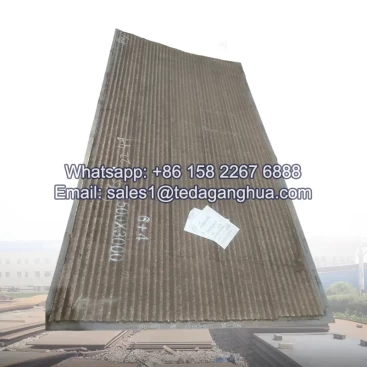
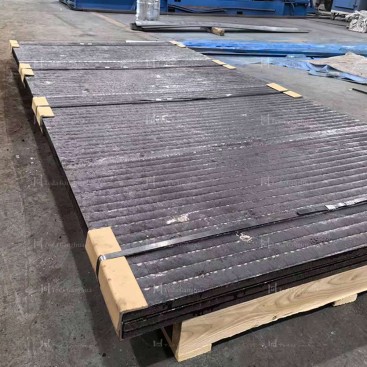
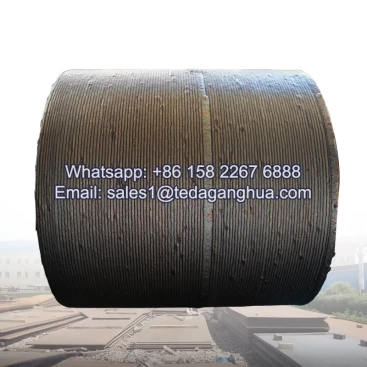
| 炭化クロムオーバーレイ (CCO) 皿 | Steel base with welded chromium carbide overlay layer. | Excellent wear resistance under sliding and moderate impact conditions. | ホッパー, 滝, コンベア, and coal handling systems. |
| 炭化タングステンオーバーレイプレート | Base steel with tungsten carbide particles fused by welding or thermal spray. | Extreme hardness for severe abrasion and high-temperature service. | マイニング, 掘削, および土木機械. |
| ハードックス / NM Series Plate | Swedish or Chinese-made wear-resistant steel with consistent hardness and formability. | High toughness and good machinability. | Structural wear parts, construction equipment, and trailers. |
| Boron Alloyed Steel Plate | Steel with added boron for improved hardenability and wear resistance. | Cost-effective for moderate wear environments. | Agricultural tools, plows, and wear bars. |