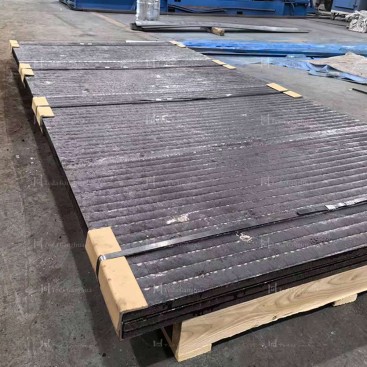
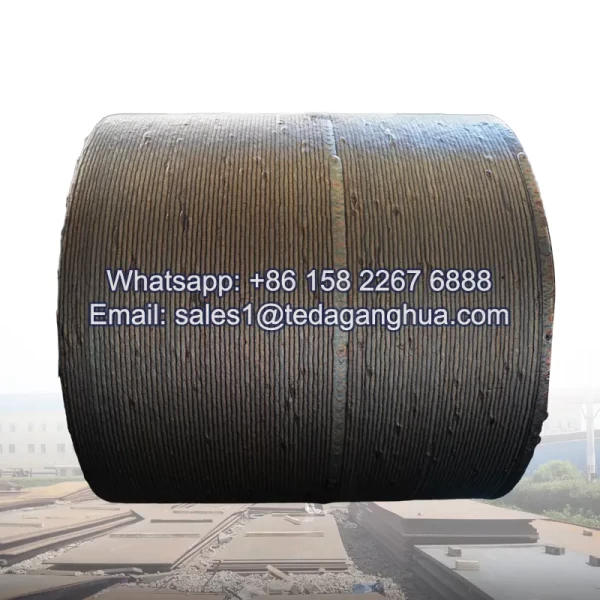
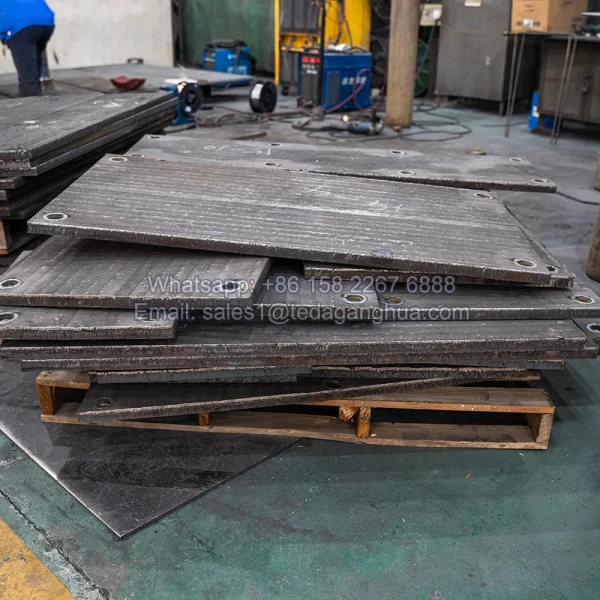
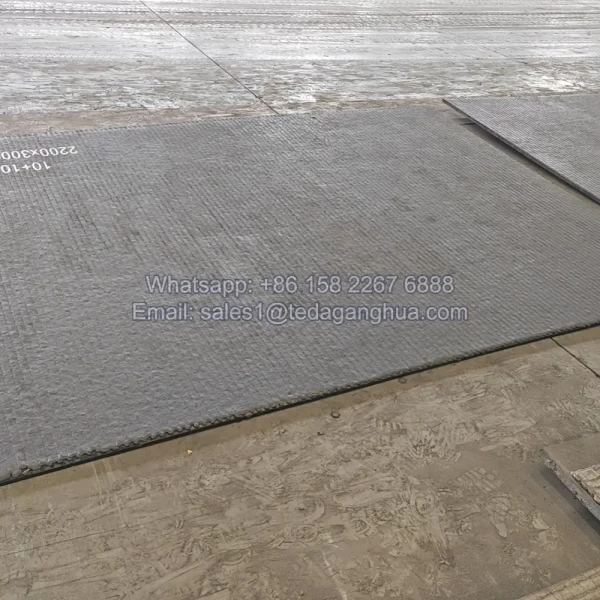
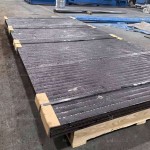
炭化クロムオーバーレイ

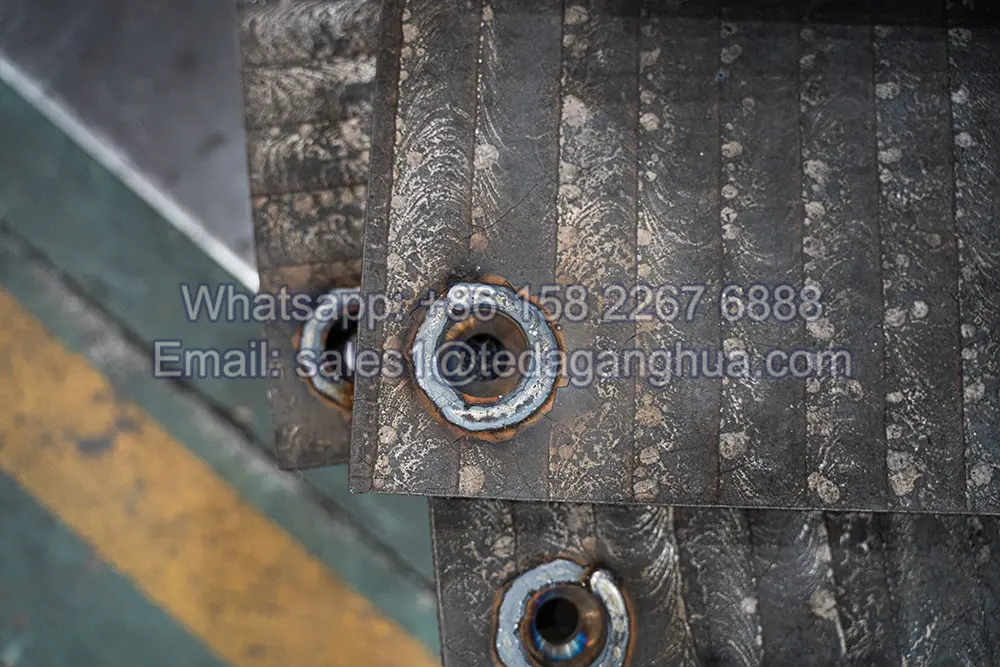
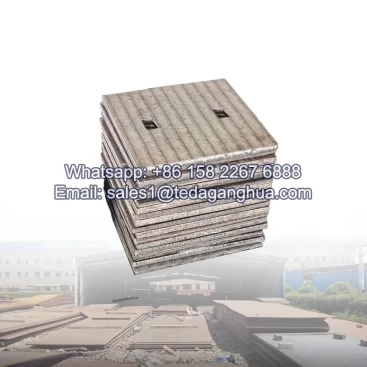
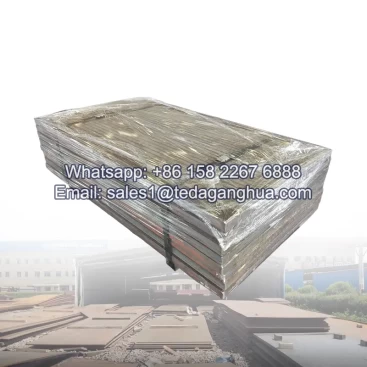
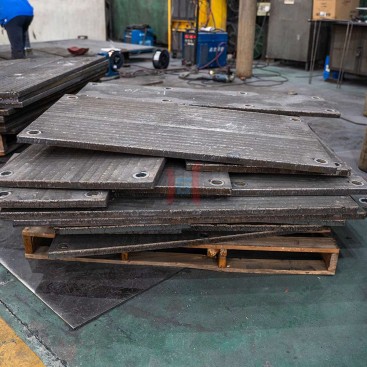
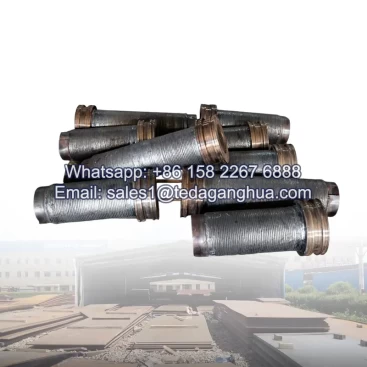
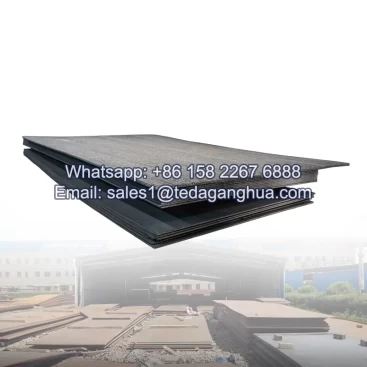
炭化クロムオーバーレイプレート are the ideal solution for extreme wear and impact environments, combining hard, wear-resistant overlay with a 頑丈なスチールベース.
With a range of 成績, overlay thicknesses, and plate sizes, CCO plates can be カスタマイズ to meet the demands of mining, セメント, 力, and material handling industries.

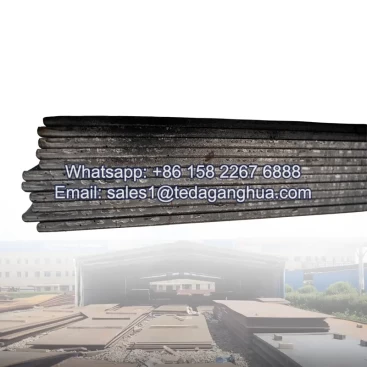
炭化クロムオーバーレイ (CCO) 皿 の一種です wear-resistant bimetallic steel plate where a high-hardness chromium carbide layer is welded onto a mild steel base.
This combination provides:

  • 極度の耐摩耗性 (hardness up to 58–65 HRC)

  • 衝撃靱性 from the base steel

  • 長寿命 in mining, セメント, 力, およびマテリアルハンドリングアプリケーション

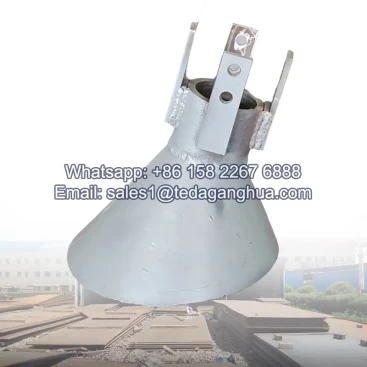
CCO plates are widely used in クラッシャーライナー, slurry chutes, スクリューコンベア, ホッパー, and impact areas.

Common Chromium Carbide Overlay Grades

学年 / タイプ オーバーレイ硬度 (HRC) Base Steel オーバーレイの厚さ (mm) アプリケーション
CCO-1 / 1.0 mm weld 58–60 HRC Q235 / mild steel 3–6mm Light abrasion areas, 滝, ホッパー
CCO-2 / 2.0 mm weld 60–62HRC Q235 / S355 6–8mm クラッシャー, フィーダー, コンベアライナー
CCO-3 / 3.0 mm weld 62–64HRC Q235 / NM400 8–12mm High abrasion areas, インパクト + wear zones
CCO-4 / 4.0 mm weld 64–65HRC NM400 / AR450 12–15 mm Severe wear zones, 鉱山機械, スラリーパイプライン
CCO-5 / 5.0 mm weld 65 HRC AR400 / AR450 15–20mm Extreme wear applications, ハンマープレート, knife edges

注記: Hardness is measured on the overlay surface. The base steel provides toughness and weldability.

Typical Plate Specifications

厚さ (mm) 幅 (mm) 長さ (mm) Overlay Layer Thickness (mm) 注意事項
6–20 1000–2000 2000–6000 3–6 Light wear applications
8–25 1200–2000 2500–6000 6–10 Medium wear, インパクト + 摩耗
10–30 1500–2200 3000–8000 8–12 High wear, 中程度の影響
12–40 1500–2500 4000–12000 12–20 Severe abrasion and impact
20–50 1800–2500 6000–12000 15–25 Extreme mining and crushing zones

Key Advantages of Chromium Carbide Overlay Plates

  1. High Hardness Surface – Protects equipment from severe sliding abrasion.

  2. Tough Base Steel – Absorbs impact and prevents cracking.

  3. Customizable Thickness – Overlay and base thickness can be tailored for specific wear conditions.

  4. 長寿命 – Up to 5–10× longer than ordinary wear plates.

  5. Versatile Applications – Mining, セメント, 発電所, リサイクル, and material handling equipment.

産業用途

  • マイニング: クラッシャーライナー, ホッパー, 滝, feeder plates

  • セメント & コンクリート: Slurry pipelines, ミキサーライナー, スクリューコンベア

  • 発電所: Ash handling systems, coal chutes

  • Recycling Industry: Shredder blades, ハンマープレート, 影響を受けるエリア

  • マテリアルハンドリング: コンベヤライナー, 移送シュート, bins
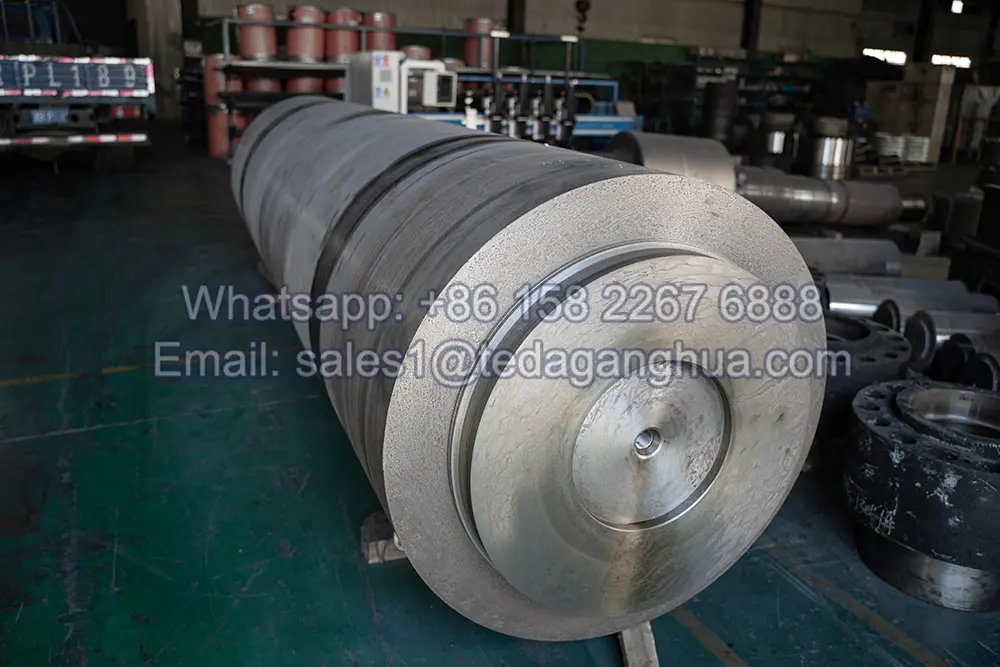
Hardfacing steel refers to steel components that have been coated with a hard, wear-resistant layer through overlay welding.
The hardfacing layer dramatically increases the abrasion, impact, and erosion resistance of industrial parts, extending service life in mining, セメント, 力, およびマテリアルハンドリングアプリケーション.

⚙️ Hardfacing Layer Structure

A typical hardfaced steel component has two main layers:

オーバーレイレイヤー (硬化肉盛層)

Made of high-alloy steel, 炭化クロム, or cobalt-based alloys.

硬度: 50–65 HRC depending on thインパクトrial.

関数: Protects against sliding, impact, and erosive wear.

Base Steel Layer

Usually mild steel (Q235), AR/NM wear steel, or structural steel.

Provides toughness, 耐衝撃性, と構造的なサポート.

🔧 Hardfacing Welding Processes

Several welding techniques are used to deposit the hardfacing layer:

Process	Description	Advantages
Submerged Arc Welding (見た)	Large-scale welding with chromium carbide or hardfacing wires	High deposition rate, uniform layer thickness
Flux-Cored Arc Welding (FCAW)	Uses flux-cored wires with hard particles	Flexible, suitable for medium and small parts
Shielded Metal Arc Welding (スマウ)	Manual welding with hardfacing rods	Simple, ideal for repairs or field work
Plasma Transferred Arc (PTA)	High-energy plasma weld deposits powder overlay	Very high hardness, minimal dilution, excellent wear resistance
Key Considerations in Hardfacing

Overlay Thickness

Typically 3–20 mm depending on wear conditions.

Multi-pass welding may be used to build up the desired thickness.

予熱 & Interpass Temperature

Thick steel components may require preheating (150–250℃) to prevent cracking.

Interpass temperature control ensures uniform hardness and minimal residual stress.

Dilution Control

Hardfacing steel refers to steel components that have been coated with a hard, wear-resistant layer through overlay welding.
The hardfacing layer dramatically increases the abrasion, impact, and erosion resistance of industrial parts, extending service life in mining, セメント, 力, およびマテリアルハンドリングアプリケーション.

⚙️ Hardfacing Layer Structure

A typical hardfaced steel component has two main layers:

オーバーレイレイヤー (硬化肉盛層)

Made of high-alloy steel, 炭化クロム, or cobalt-based alloys.

硬度: 50–65 HRC depending on thインパクトrial.

関数: Protects against sliding, impact, and erosive wear.

Base Steel Layer

Usually mild steel (Q235), AR/NM wear steel, or structural steel.

Provides toughness, 耐衝撃性, と構造的なサポート.

🔧 Hardfacing Welding Processes

Several welding techniques are used to deposit the hardfacing layer:

Process	Description	Advantages
Submerged Arc Welding (見た)	Large-scale welding with chromium carbide or hardfacing wires	High deposition rate, uniform layer thickness
Flux-Cored Arc Welding (FCAW)	Uses flux-cored wires with hard particles	Flexible, suitable for medium and small parts
Shielded Metal Arc Welding (スマウ)	Manual welding with hardfacing rods	Simple, ideal for repairs or field work
Plasma Transferred Arc (PTA)	High-energy plasma weld deposits powder overlay	Very high hardness, minimal dilution, excellent wear resistance
Key Considerations in Hardfacing

Overlay Thickness

Typically 3–20 mm depending on wear conditions.

Multi-pass welding may be used to build up the desired thickness.

予熱 & Interpass Temperature

Thick steel components may require preheating (150–250℃) to prevent cracking.

Interpass temperature control ensures uniform hardness and minimal residual stress.

Dilution Control

炭化クロムオーバーレイ

Hardfacing steel refers to steel components that have been coated with a hard, wear-resistant layer through overlay welding.
The hardfacing layer dramatically increases the abrasion, impact, and erosion resistance of industrial parts, extending service life in mining, セメント, 力, およびマテリアルハンドリングアプリケーション.

⚙️ Hardfacing Layer Structure

A typical hardfaced steel component has two main layers:

オーバーレイレイヤー (硬化肉盛層)

Made of high-alloy steel, 炭化クロム, or cobalt-based alloys.

硬度: 50–65 HRC depending on thインパクトrial.

関数: Protects against sliding, impact, and erosive wear.

Base Steel Layer

Usually mild steel (Q235), AR/NM wear steel, or structural steel.

Provides toughness, 耐衝撃性, と構造的なサポート.

🔧 Hardfacing Welding Processes

Several welding techniques are used to deposit the hardfacing layer:

Process	Description	Advantages
Submerged Arc Welding (見た)	Large-scale welding with chromium carbide or hardfacing wires	High deposition rate, uniform layer thickness
Flux-Cored Arc Welding (FCAW)	Uses flux-cored wires with hard particles	Flexible, suitable for medium and small parts
Shielded Metal Arc Welding (スマウ)	Manual welding with hardfacing rods	Simple, ideal for repairs or field work
Plasma Transferred Arc (PTA)	High-energy plasma weld deposits powder overlay	Very high hardness, minimal dilution, excellent wear resistance
Key Considerations in Hardfacing

Overlay Thickness

Typically 3–20 mm depending on wear conditions.

Multi-pass welding may be used to build up the desired thickness.

予熱 & Interpass Temperature

Thick steel components may require preheating (150–250℃) to prevent cracking.

Interpass temperature control ensures uniform hardness and minimal residual stress.

Dilution Control

Hardfacing steel refers to steel components that have been coated with a hard, wear-resistant layer through overlay welding.
The hardfacing layer dramatically increases the abrasion, impact, and erosion resistance of industrial parts, extending service life in mining, セメント, 力, およびマテリアルハンドリングアプリケーション.

⚙️ Hardfacing Layer Structure

A typical hardfaced steel component has two main layers:

オーバーレイレイヤー (硬化肉盛層)

Made of high-alloy steel, 炭化クロム, or cobalt-based alloys.

硬度: 50–65 HRC depending on thインパクトrial.

関数: Protects against sliding, impact, and erosive wear.

Base Steel Layer

Usually mild steel (Q235), AR/NM wear steel, or structural steel.

Provides toughness, 耐衝撃性, と構造的なサポート.

🔧 Hardfacing Welding Processes

Several welding techniques are used to deposit the hardfacing layer:

Process	Description	Advantages
Submerged Arc Welding (見た)	Large-scale welding with chromium carbide or hardfacing wires	High deposition rate, uniform layer thickness
Flux-Cored Arc Welding (FCAW)	Uses flux-cored wires with hard particles	Flexible, suitable for medium and small parts
Shielded Metal Arc Welding (スマウ)	Manual welding with hardfacing rods	Simple, ideal for repairs or field work
Plasma Transferred Arc (PTA)	High-energy plasma weld deposits powder overlay	Very high hardness, minimal dilution, excellent wear resistance
Key Considerations in Hardfacing

Overlay Thickness

Typically 3–20 mm depending on wear conditions.

Multi-pass welding may be used to build up the desired thickness.

予熱 & Interpass Temperature

Thick steel components may require preheating (150–250℃) to prevent cracking.

Interpass temperature control ensures uniform hardness and minimal residual stress.

Dilution Control