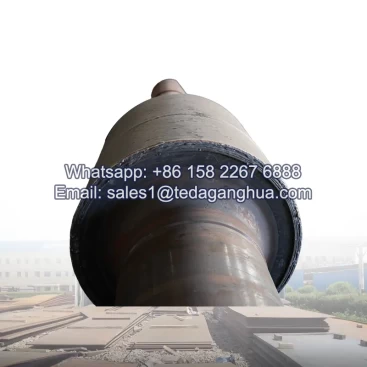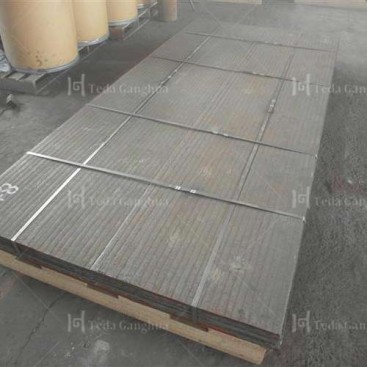
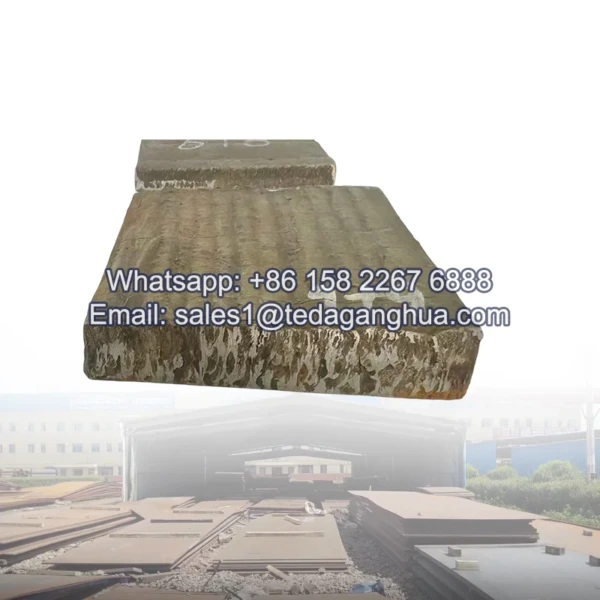
硬化肉盛プレート

Hardfacing Plate achieves its wear resistance through a combination of hard carbide formation, high-hardness overlay layers, and a tough supporting base plate. This engineered structure allows it to resist multiple forms of industrial wear, including abrasion, インパクト, そして侵食, making it one of the most effective materials for extending equipment life in severe working environments.
- 説明
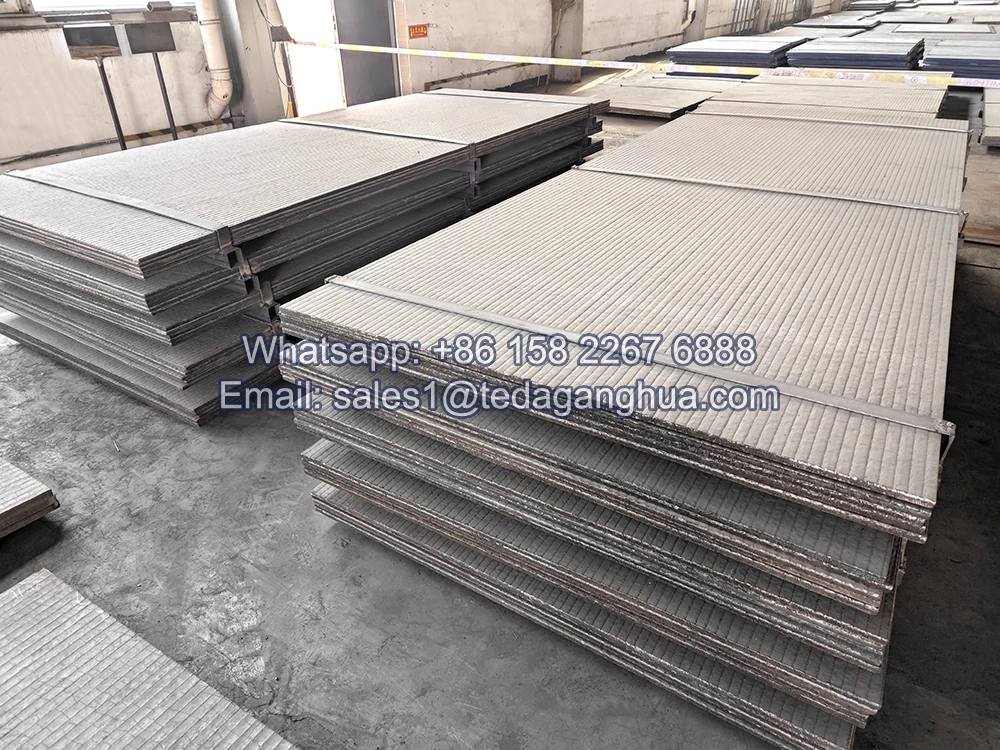
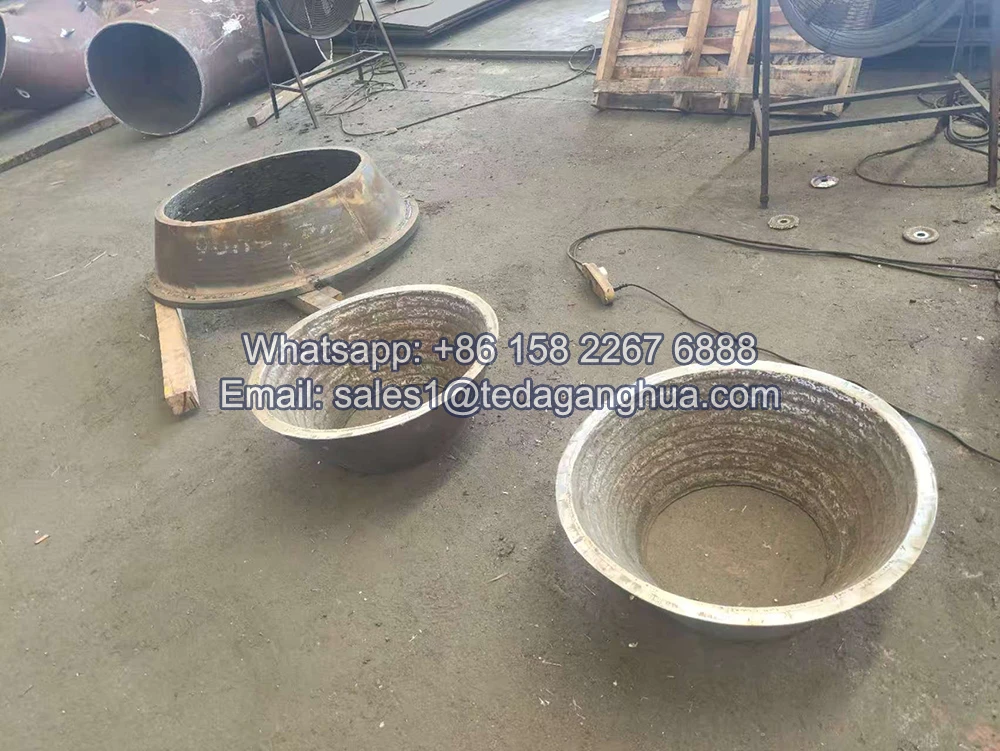
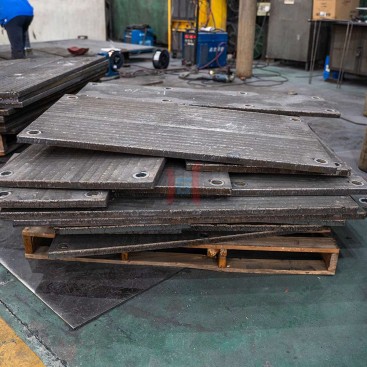
Hardfacing Plate is a type of wear-resistant steel product produced by depositing a high-hardness alloy layer onto a carbon steel or low-alloy steel base through a welding overlay process. 鉱山で広く使用されています, セメント, 鉄鋼生産, 発電所, and bulk material handling systems where severe abrasion and impact occur.
The key advantage of hardfacing plate lies in its engineered surface layer, which is specifically designed to resist wear while maintaining structural toughness through the base metal.
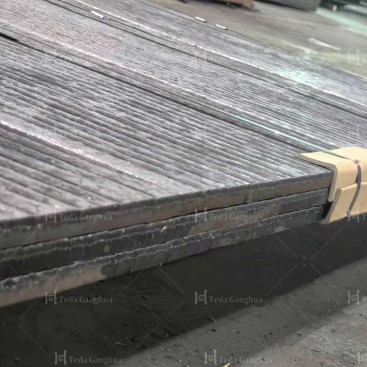
Structure of Hardfacing Plate
A typical hardfacing plate consists of two functional layers:
- ベース鋼層: Provides toughness, 延性, と構造的なサポート
- 硬化肉盛層 (かぶせる): Provides extreme wear resistance through alloy carbides or martensitic structures
These two layers are metallurgically bonded to ensure long-term stability under mechanical stress.
耐摩耗機構
The wear resistance of hardfacing plate is achieved through multiple reinforcing mechanisms working together.
1. Hard Carbide Reinforcement
In chromium carbide-based hardfacing systems, elements such as chromium and carbon form extremely hard carbide phases, 含む:
- Cr₇C₃
- Cr₂₃C₆
These carbide particles act as hard barriers that resist cutting, 研削, and gouging from abrasive materials.
2. High Hardness Surface Layer
The overlay layer typically reaches:
- 55–65 HRC hardness range
- Extremely high microhardness in carbide-rich regions
This hardness significantly reduces material loss caused by friction and particle impact.
3. Dual-Phase Structure
The hardfacing layer often consists of:
- Hard carbide phases (耐摩耗性)
- 強靭な金属マトリックス (supporting structure)
This dual-phase structure provides both hardness and controlled toughness.
4. Energy Absorption by Base Plate
The underlying steel plate plays a critical role:
- 衝撃エネルギーを吸収
- Prevents cracking of brittle surface layer
- Provides structural integrity under heavy loads
Types of Wear Mechanisms Resisted
Hardfacing plates are designed to resist multiple industrial wear conditions:
- 滑り摩耗 (material scraping over surface)
- Impact abrasion (falling or striking materials)
- Erosive wear (high-speed particle flow)
- Gouging wear (large particle cutting)
Microstructural Wear Principle
耐摩耗性は次のように達成されます。:
- Formation of hard alloy carbides within the overlay
- Uniform distribution of wear-resistant phases
- Strong metallurgical bonding between base and overlay
- Controlled dilution between weld metal and base steel
Performance Comparison Mechanism
| 材質の種類 | 耐摩耗機構 | Key Advantage |
|---|---|---|
| 硬化肉盛プレート | Carbide reinforcement + ハードオーバーレイ | 非常に高い耐摩耗性 |
| 耐摩耗鋼 | Bulk hardness (quenched structure) | Balanced wear + 耐衝撃性 |
| Mild Steel | No reinforcement | 低コスト, low durability |
産業用途でのメリット
- Significantly extended service life
- Reduced maintenance and downtime
- High resistance to abrasive materials
- Adaptable to different wear environments
- Customizable overlay composition
代表的な用途
硬化肉盛プレートは広く使用されています:
- Mining chutes and liners
- Cement plant equipment
- 石炭処理システム
- 発電所灰システム
- Crusher liners and hoppers
- Steel mill wear parts
- 掘削機バケット
- バルク材料移送システム