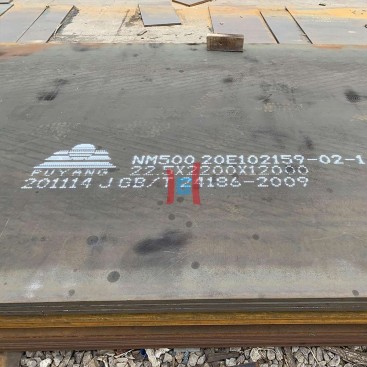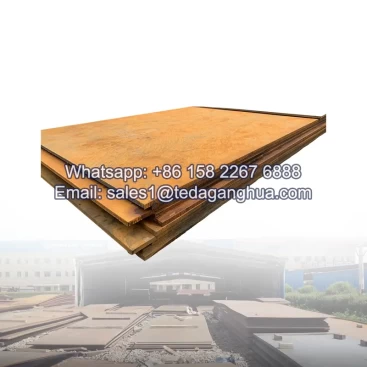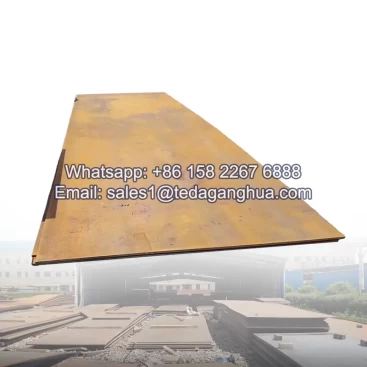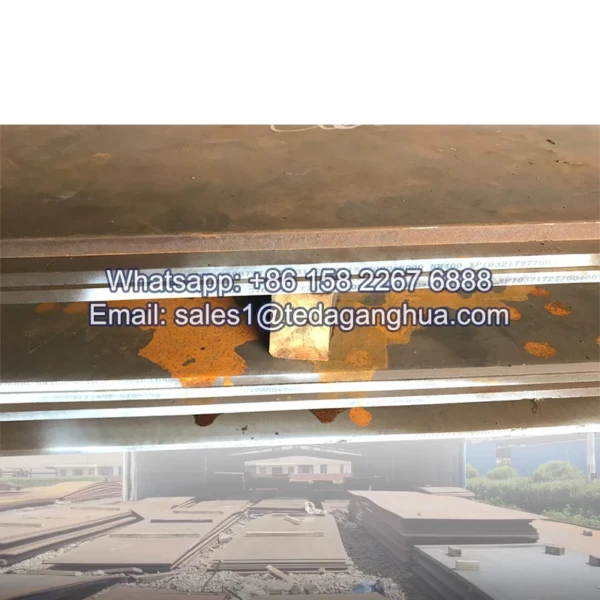
高耐摩耗鋼
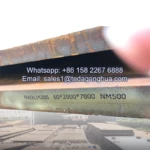
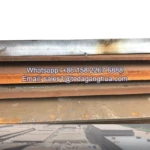
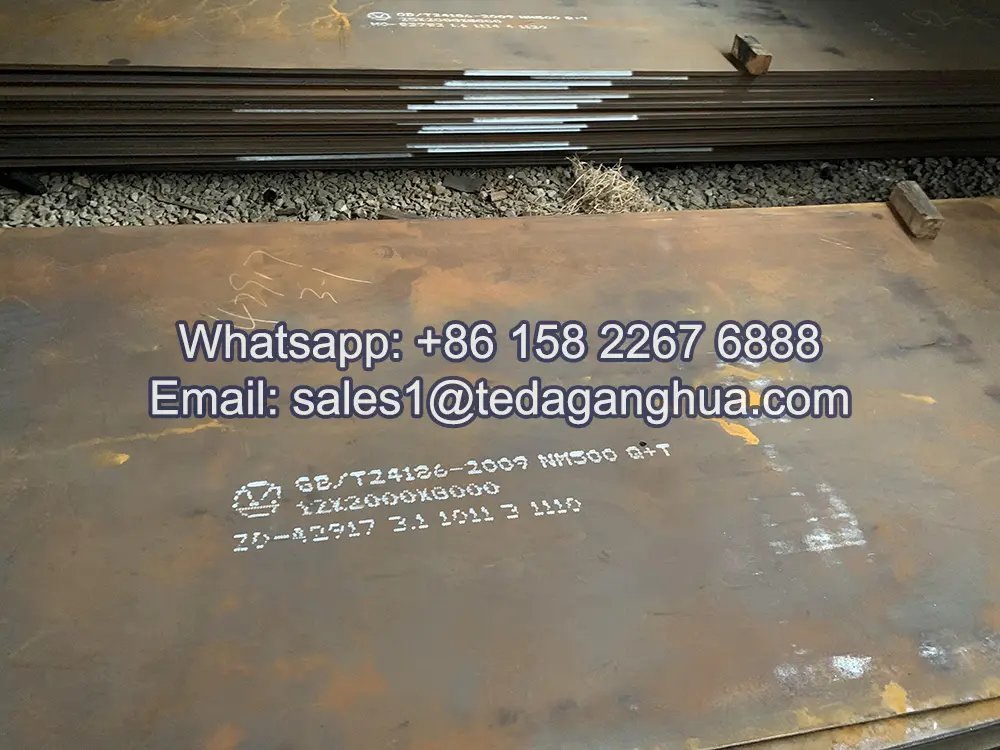
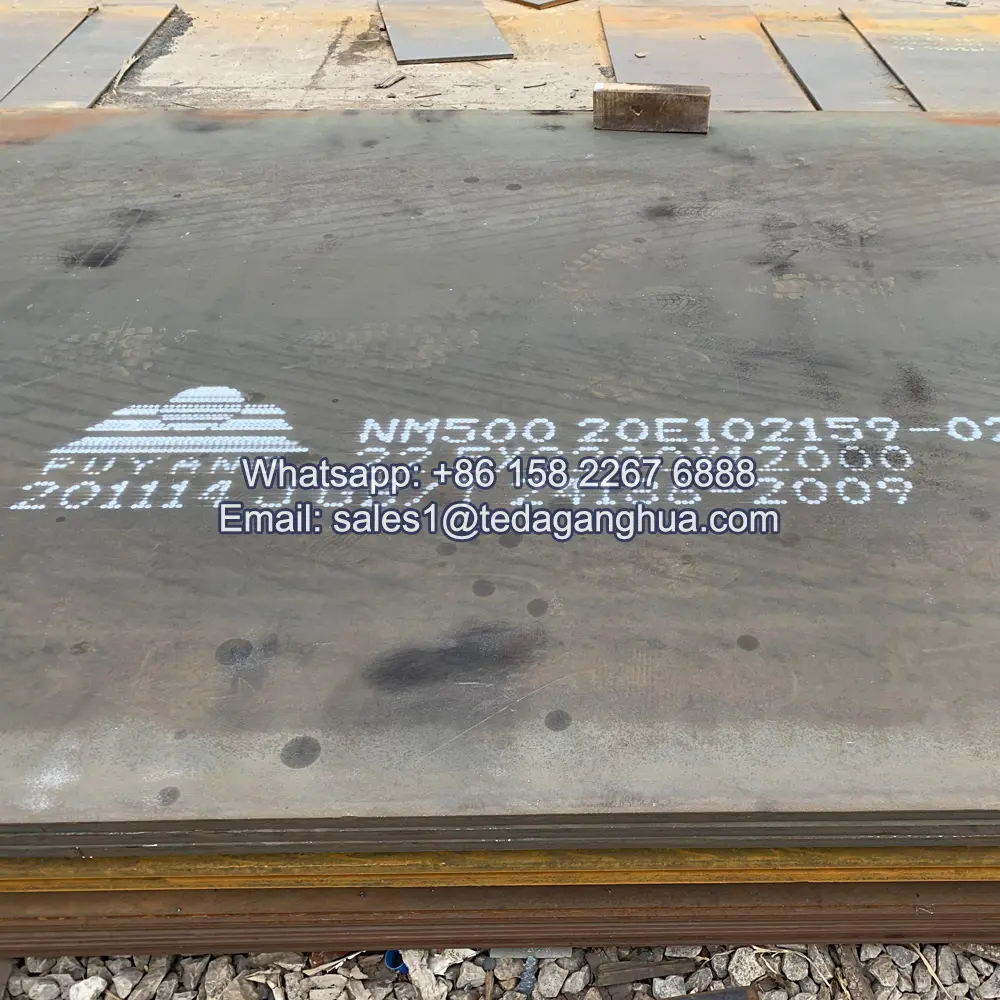
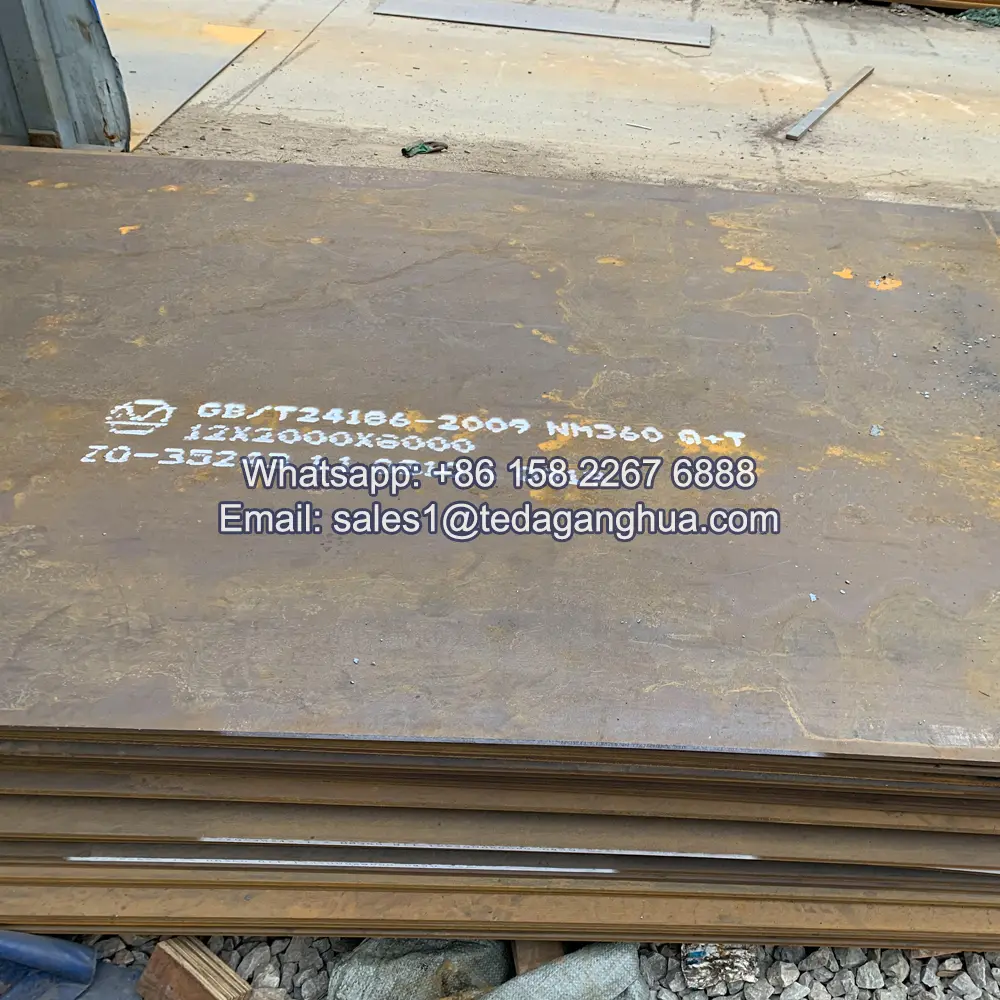
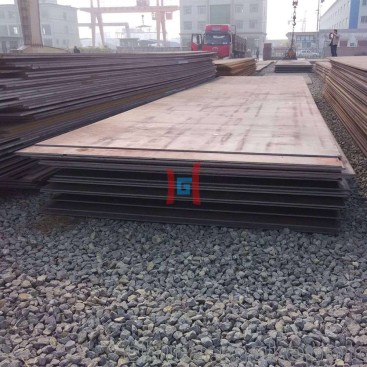
High wear resistant steel is engineered to provide exceptional abrasion resistance through high hardness, alloy strengthening, and controlled heat treatment. Its wear performance is significantly superior to ordinary carbon steel, especially in environments involving severe friction and abrasive particles.
Different grades such as AR400, AR450, AR500, and AR600 provide varying balances between wear resistance, 靭性, and processing capability, allowing industries to select materials according to specific working conditions.
- 説明
High wear resistant steel is a specialized alloy steel designed to withstand severe abrasion, 摩擦, 要求の厳しい産業環境への影響. 通常の炭素鋼との比較, it offers significantly longer service life under abrasive working conditions.
Its wear resistance mainly comes from a combination of:
- High hardness
- Alloy strengthening
- Heat treatment technology
- Optimized microstructure
These materials are widely used in mining, セメント工場, 建設機械, recycling systems, and heavy material handling equipment.
1. What Is Wear Resistance in Steel?
Wear resistance refers to the ability of steel to resist:
- Surface material loss
- Friction damage
- 滑り摩耗
- Impact abrasion
- Particle erosion
In industrial environments, wear is commonly caused by:
- Sand
- Ore
- Gravel
- 石炭
- Cement particles
- Metal fragments
High wear resistant steel reduces the rate of surface degradation during continuous operation.
2. Main Factors Affecting Wear Resistance
硬度
Hardness is the most important factor influencing abrasion resistance.
一般的に:
- 硬度が高い = 耐摩耗性が優れている
- Lower hardness = better toughness and easier processing
Common hardness ranges:
- AR400 → ~400 HB
- AR450 → ~450 HB
- AR500 → ~500 HB
- AR600 → ~600 HB
3. Alloy Composition Influence
Wear resistant steels contain alloying elements that improve hardness and durability.
| 要素 | Effect on Wear Resistance |
|---|---|
| 炭素 (C) | Increases hardness |
| クロム (Cr) | Improves abrasion resistance |
| マンガン (ん) | 靭性を高める |
| モリブデン (モー) | 硬度を安定させる |
| ニッケル (で) | Improves impact resistance |
| ボロン (B) | Improves hardenability |
These alloy elements help form a strong martensitic structure after heat treatment.
4. Heat Treatment and Microstructure
Most high wear resistant steels are produced through:
- 焼入れ
- テンパリング
これにより、:
- Hard martensitic microstructure
- 高い表面硬度
- Good balance between wear resistance and toughness
The heat treatment process is critical for achieving stable performance.
5. Types of Wear Resistance
Sliding Abrasion Resistance
Resistance against continuous sliding friction from particles or materials.
Common in:
- コンベヤシステム
- 滝
- ホッパー
Impact Abrasion Resistance
Ability to resist wear combined with repeated impact loading.
Common in:
- クラッシャーライナー
- 掘削機バケット
- 鉱山機械
Gouging Wear Resistance
Resistance against severe cutting or digging wear.
Common in:
- 岩石破砕機
- Heavy excavation systems
6. Comparison with Ordinary Carbon Steel
| 財産 | 高耐摩耗鋼 | 普通炭素鋼 |
|---|---|---|
| 硬度 | 非常に高い | 低~中 |
| 耐摩耗性 | 素晴らしい | 貧しい |
| 耐用年数 | Much longer | 短い |
| Maintenance Frequency | より低い | より高い |
| Cost Efficiency in Wear Environment | Better long-term | Lower initial cost |
Although wear resistant steel may have higher initial material cost, its longer service life often reduces total operational cost.
7. Common High Wear Resistant Steel Grades
| 学年 | Approximate Hardness | Main Characteristics |
|---|---|---|
| AR400 | 靭性と耐摩耗性のバランスが取れています | |
| AR450 | Improved abrasion performance | |
| AR500 | Severe wear applications | |
| AR600 | Extreme wear resistance | |
| Mn13高マンガン鋼 | Work-hardening under impact |
8. Typical Industrial Applications
High wear resistant steel is widely used in:
- 鉱山機械
- Dump truck liners
- Crusher systems
- Cement handling equipment
- 掘削機バケット
- リサイクル機械
- 農業用ウェア部品
- Coal processing systems
9. 高耐摩耗鋼のメリット
- Longer service life
- Reduced downtime
- メンテナンスコストの削減
- Better equipment efficiency
- Improved resistance to abrasive particles
- Stable performance under harsh conditions