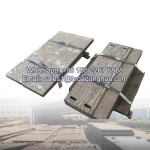
- 説明
オーバーレイウェアプレート: Why Its Production Cycle Is Longer Than Ordinary Steel Plate
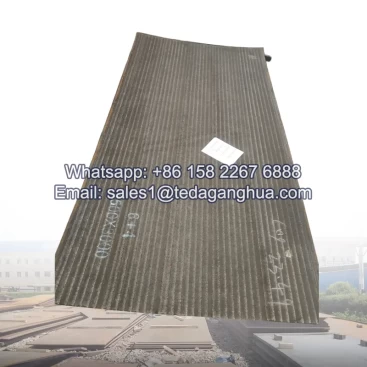
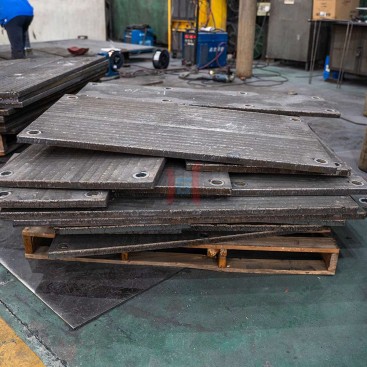
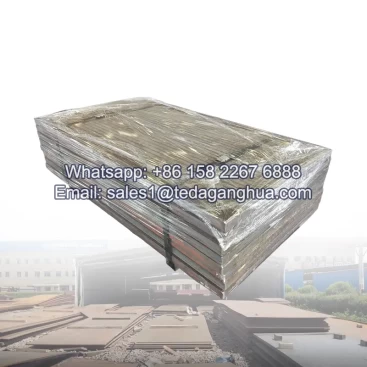
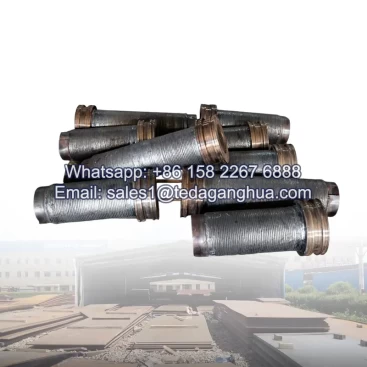
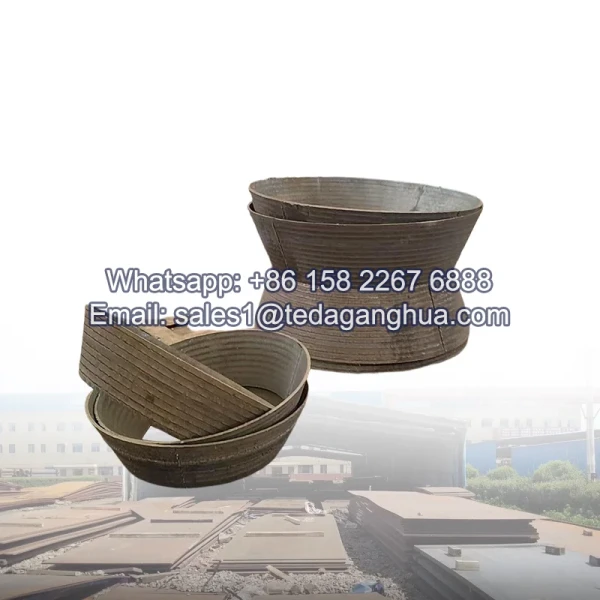
Overlay wear plate is a composite steel product made by depositing a high-hardness alloy layer (炭化クロムなど, 炭化タングステン, or nickel-based alloys) onto a base steel plate through welding processes. Compared with ordinary steel plates, its manufacturing cycle is significantly longer due to its multi-step and energy-intensive production process.
1. Ordinary Steel Plate vs Overlay Wear Plate Production
| アイテム | 普通鋼板 | オーバーレイウェアプレート |
|---|---|---|
| Production method | Rolling or casting | Multi-layer welding + finishing |
| Main process | Single continuous process | Multi-step complex process |
| Production time | 速い | Much longer |
The key difference is that overlay wear plate is not simply formed — it is built layer by layer.
2. Main Reasons for Longer Processing Cycle
(1) Multi-layer Welding Process
Overlay wear plates often require multiple welding passes to build the wear-resistant layer to the required thickness (commonly 3–10 mm or more).
- Each pass must be precisely controlled
- Cooling is required between layers
- Multiple cycles increase total production time
(2) Heat Control and Cooling Time
To avoid cracking and deformation, the plate must undergo controlled heating and cooling during production.
- Preheating of base plate
- Interpass temperature control
- Slow cooling after welding
These steps significantly extend production time compared to normal steel rolling.
(3) Complex Alloy Deposition
Different overlay types require different alloy systems:
| Overlay Type | Complexity Level |
|---|---|
| Chromium carbide overlay | 中くらい |
| Complex carbide overlay | 高い |
| 炭化タングステンオーバーレイ | 非常に高い |
| Nickel-based overlay | High precision required |
More complex alloy systems require tighter process control and slower deposition speed.
(4) Low Welding Speed Compared to Rolling
Unlike steel rolling (continuous and high-speed), overlay welding is a slow deposition process:
- Controlled arc or PTA welding speed
- Uniform carbide distribution requirement
- Strict layer thickness control
(5) Quality Inspection and Testing
Each batch must pass multiple inspections before delivery:
- 硬さ試験 (HRC)
- Overlay thickness measurement
- Bonding strength inspection
- Surface crack evaluation
These inspections add additional time before shipment.
3. Typical Production Cycle Comparison
| 製品タイプ | Typical Lead Time |
|---|---|
| Ordinary steel plate | 1–3 days (stock or rolling) |
| Standard overlay wear plate | 7–15 days |
| High alloy / custom overlay plate | 15–30+ days |
4. Why Longer Time Means Better Performance
- Better carbide distribution
- Stronger bonding between layers
- Higher wear resistance stability
- Longer service life in real applications
ほとんどの場合, a longer production cycle directly contributes to higher product performance and longer service life.
5. Teda Ganghua Overlay Plate Supply Capability
As a professional wear-resistant steel supplier, 泰達江華 provides stable production scheduling for overlay wear plates, including chromium carbide, 複合炭化物, and nickel-based systems. We optimize production planning to balance delivery time and product performance.
We support customized cutting, 製造, and wear solution design for mining, セメント, 鋼鉄, and power industries.
ここで当社の耐摩耗鋼製品をご覧ください:
クロム炭化物オーバーレイプレート
結論
Overlay wear plates require longer production cycles because they involve multi-layer welding, strict heat control, complex alloy systems, and detailed quality inspection. しかし, this extended process ensures superior wear resistance and longer service life compared with ordinary steel plates.