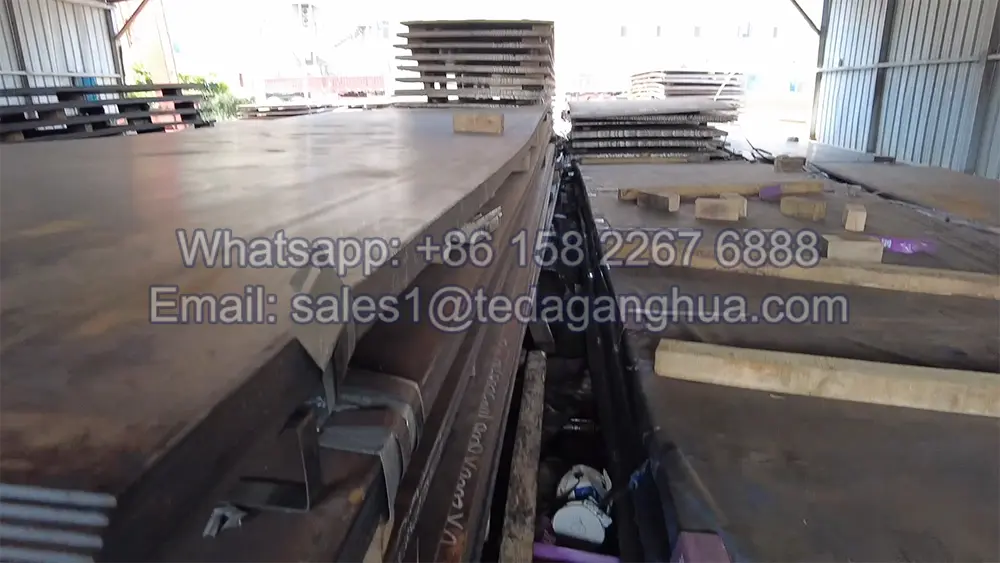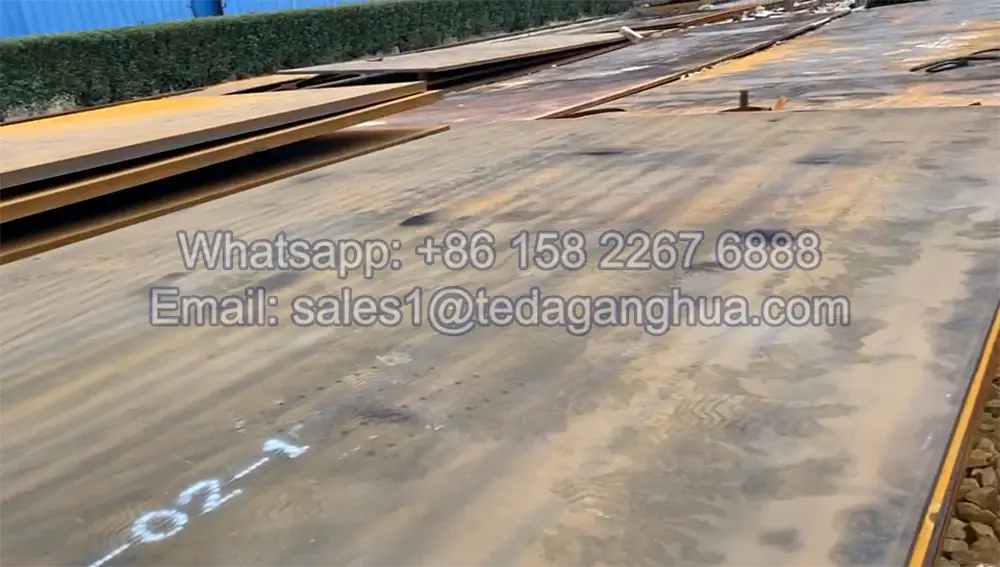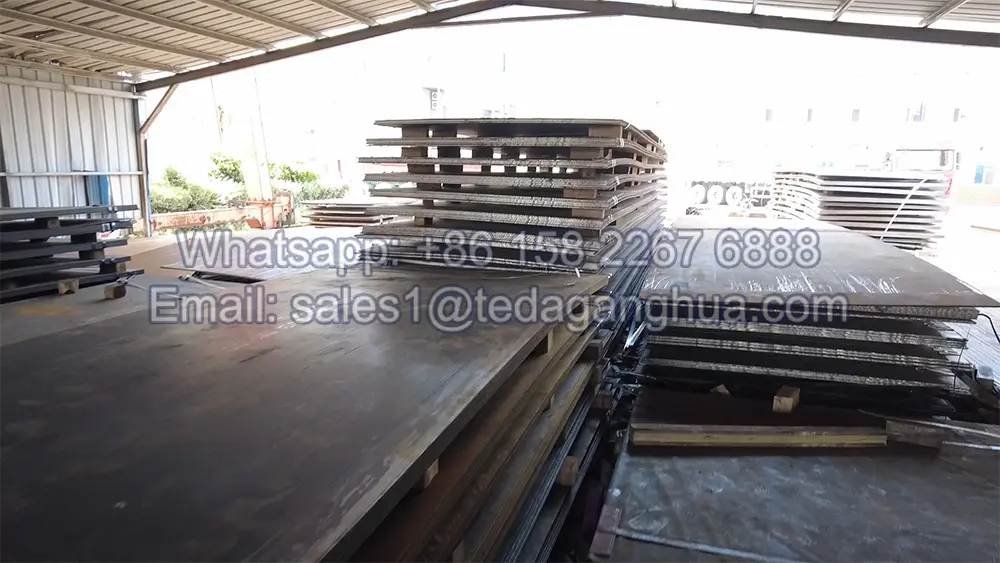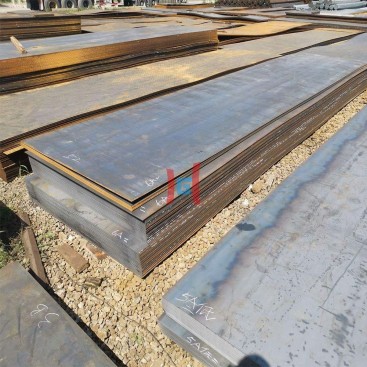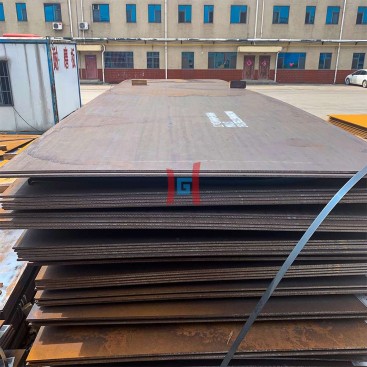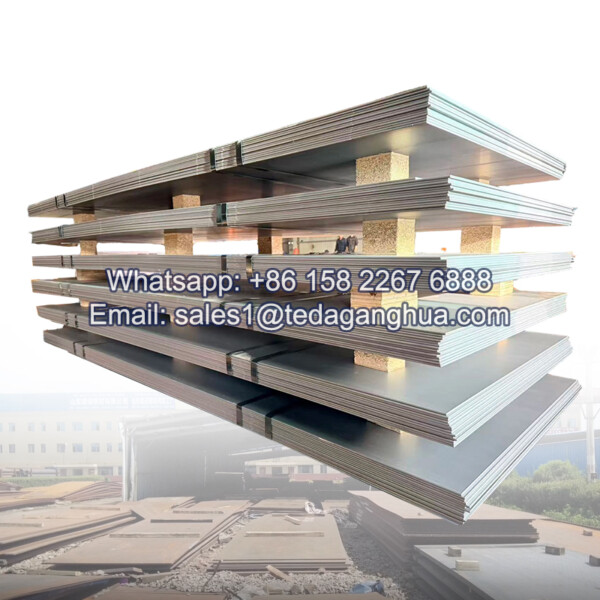
Wear Resistance Steel Grades
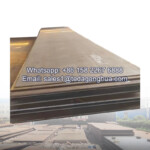
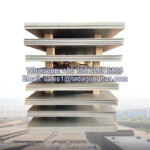
Wear resistance steel grades include several major systems such as AR series, NMシリーズ, high manganese steels, chromium carbide overlay plates, and tool steel-based wear materials.
These grades are classified mainly by hardness and performance level, ranging from medium wear resistance steels like AR400 and NM400 to extreme wear-resistant materials like AR500, NM500, and overlay plates.
- 説明
Wear resistance steel grades refer to a classification of steels designed to resist abrasion, インパクト, and surface degradation in industrial environments. These grades are mainly defined by their 硬度レベル, alloy composition, and heat treatment process, and are widely used in mining, セメント, 鋼鉄, 発電, バルクマテリアルハンドリング産業.
Different grades are selected based on the severity of wear conditions—from light abrasion to extreme impact and sliding wear.
Main Categories of Wear Resistance Steel Grades
Wear-resistant steels are generally divided into five major groups:
1. ARシリーズ (Abrasion Resistant Steel Plates)
This is the most widely used international wear steel system.
| 学年 | 硬度 (HBW) | アプリケーションレベル |
|---|---|---|
| AR400 | ~360–440 | Medium wear + 大きな影響 |
| AR450 | ~420–480 | 中程度から重度の摩耗 |
| AR500 | ~470–540 | ひどい磨耗 |
| AR600 | 570+ | Extreme wear conditions |
主な特長:
- 焼き入れ焼き戻し鋼
- バランスの取れた硬度と靱性
- Widely used in heavy industry
2. NMシリーズ (Wear Resistant Steel – China Standard)
NM series steels are commonly used in industrial fabrication markets.
| 学年 | 硬度 (HBW) | アプリケーションレベル |
|---|---|---|
| NM360 | ~320~400 | Light wear |
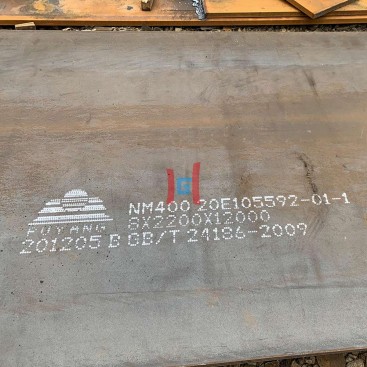
| NM400 | ~370–430 | 一般的な摩耗用途 |
| NM450 | ~420–480 | 中程度から重度の摩耗 |
| NM500 | ~470–540 | Severe wear environments |
主な特長:
- 安定した硬度性能
- 費用対効果の高いソリューション
- Widely used in engineering equipment
3. High Manganese Steel Grades (Work-Hardening Steel)
| 学年 | タイプ | 行動 |
|---|---|---|
| MN13 | Austenitic manganese steel | Work hardening under impact |
| Mn18 | Higher manganese content | 耐摩耗性の向上 |
主な特長:
- 初期硬度が低い
- 非常に高い耐衝撃性
- Becomes harder during operation
4. 炭化クロムオーバーレイ (CCO) プレート
A composite wear-resistant system rather than a solid steel grade.
| 構造 | 関数 |
|---|---|
| ベーススチール | Structural strength |
| Chromium carbide layer | Extreme wear resistance |
主な特長:
- Very high surface hardness (55–65+ HRC)
- Excellent sliding abrasion resistance
- Not suitable for bending or forming
5. Tool Steel Based Wear Grades
| 学年 | 特徴 | 応用 |
|---|---|---|
| D2 | High carbon, high chromium | Cutting and wear tools |
| A2 | Air-hardening steel | Industrial tooling |
主な特長:
- 非常に高い硬度
- Limited structural use
- Used for precision wear parts
Wear Resistance Levels Explained
Wear resistance is generally related to hardness:
| 硬度レベル | 耐摩耗性 | Typical Grade |
|---|---|---|
| 低い (200–300 HBW) | 低い | 炭素鋼 |
| 中くらい (300–400 HBW) | 中くらい | NM360 / AR400 |
| 高い (400–500 HBW) | 高い | AR450 / NM450 |
| 非常に高い (500+ HBW) | 過激 | AR500 / NM500 |
How Wear Steel Grades Are Selected
Selection depends on working conditions:
1. Impact Dominated Conditions
- 掘削機バケット
- Crusher applications
- Recommended: AR400, MN13
2. Abrasion Dominated Conditions
- コンベヤシステム
- シュートとホッパー
- Recommended: AR450, AR500, NM450
3. Extreme Wear Conditions
- Mining crushers
- Cement grinding systems
- Recommended: AR500, NM500, CCO plates
Why Different Wear Grades Are Needed
Different industries require different balances of:
- 硬度 (耐摩耗性)
- 靭性 (耐衝撃性)
- Fabrication performance
- Cost efficiency
No single grade can perform best in all conditions.
Advantages of Wear Resistance Steel Grades
- Wide range of hardness options
- Suitable for different industrial environments
- Long service life under harsh conditions
- Reduces equipment maintenance cost
- Flexible fabrication options