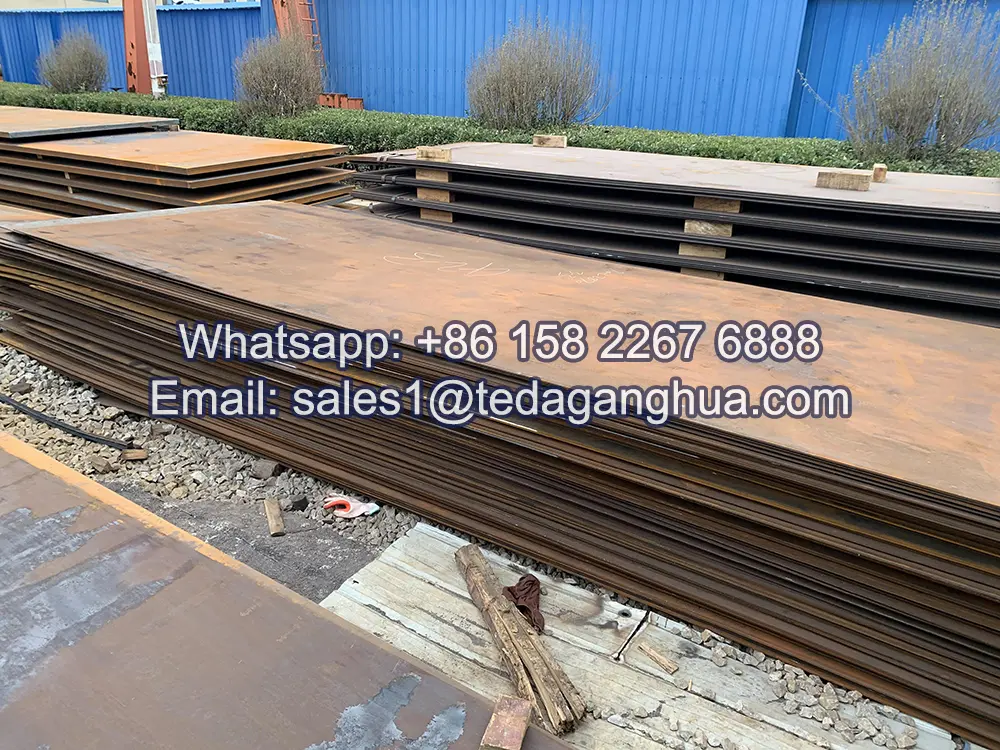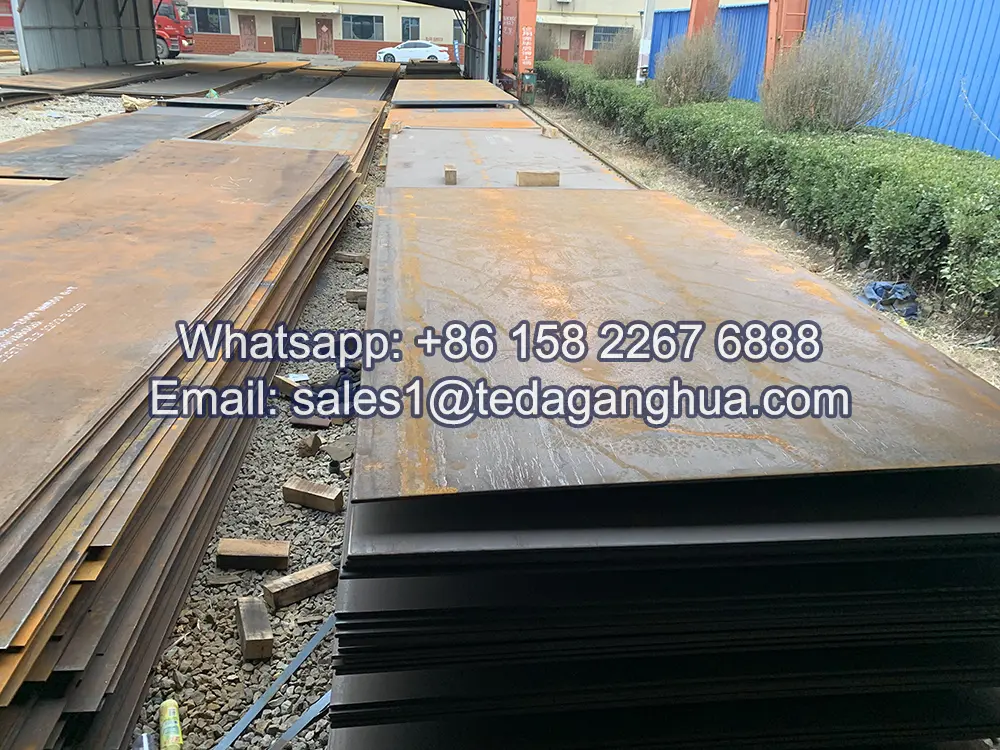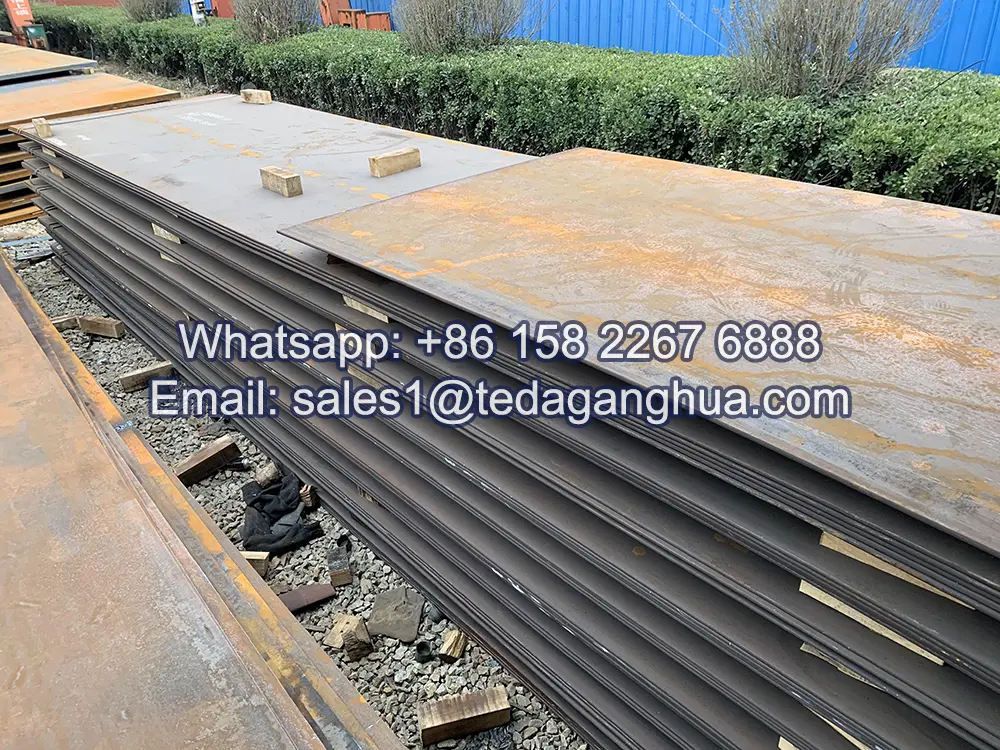
耐摩耗鋼板
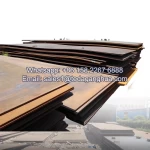
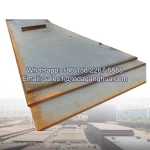
Wear resistance in wear resistant steel plate is achieved through a combination of 高硬度, optimized alloy composition, and controlled microstructure.
It is mainly reflected in:
- High Brinell hardness resisting surface cutting
- Martensitic structure providing strength and stability
- Alloy carbides improving abrasion resistance
- Balanced toughness preventing cracking under impact
- 説明
Wear resistant steel plate is a type of high-hardness alloy steel designed to resist surface damage caused by abrasion, インパクト, そして滑り摩耗. Its “wear resistance” is not a single property, but the result of a combination of material composition, 硬度レベル, および微細構造制御.
Understanding how wear resistance is achieved helps explain why different grades (such as NM, AR, or hardfaced plates) perform differently in real applications.
1. Hardness – The Core Indicator of Wear Resistance
The most direct reflection of wear resistance is ブリネル硬さ (HBW).
| 硬度レベル | Wear Resistance Performance |
|---|---|
| 300–400HB | 標準耐摩耗性 |
| 400–500HB | 高い耐摩耗性 |
| 500+ HB | 非常に高い / extreme wear resistance |
Principle:
Higher hardness means the material surface is more difficult to deform or be cut by abrasive particles such as sand, 鉱石, or coal.
しかし, hardness alone is not enough; toughness must also be considered.
2. Microstructure – The Internal Structure Behind Wear Resistance
Wear resistant steel is usually produced by 焼き入れと焼き戻し, forming a controlled microstructure:
- Martensite structure (high hardness phase)
- Fine carbide distribution (wear-resistant particles)
- Uniform grain structure (stability under load)
How it works:
- Hard martensite resists surface cutting
- Carbides block abrasive particles
- Fine structure reduces crack propagation
This combination ensures long service life under continuous wear.
3. Alloying Elements – Improving Wear Performance
Wear resistance is also improved through alloy design:
| 要素 | Function in Wear Resistance |
|---|---|
| 炭素 (C) | Increases hardness |
| クロム (Cr) | Forms hard carbides, 耐摩耗性を向上させます |
| マンガン (ん) | 靭性と焼入性の向上 |
| ボロン (B) | Enhances hardenability at low content |
結果:
A stronger and more stable steel matrix that resists wear and deformation.
4. Surface Wear Mechanism – How Damage Happens
Wear resistant steel is designed to resist three main types of wear:
1. 研磨摩耗
Caused by hard particles (砂, 鉱石, 砂利) sliding on the surface
→ Wear steel resists cutting and scratching due to high hardness
2. Impact Wear
Caused by falling or hitting materials
→ Toughness prevents cracking and edge failure
3. Sliding Wear
Caused by continuous friction movement
→ Hard surface layer slows material loss over time
5. 硬度と靭性のバランス
Wear resistance is effective only when hardness and toughness are balanced.
| 財産 | Role |
|---|---|
| 硬度 | Resists surface abrasion |
| 靭性 | Prevents cracking and fracture |
If hardness is too high without toughness, the plate may become brittle. If toughness is too high without hardness, wear resistance decreases.
6. Real-World Wear Performance Factors
In actual industrial use, wear resistance is influenced by:
- Material hardness grade (NM/AR level)
- Particle size and hardness of abrasive materials
- Impact frequency and load intensity
- Working temperature and environment
- Surface condition and installation method
7. How Wear Resistance Is Evaluated
Wear resistance is typically evaluated through:
- 硬さ試験 (HBW)
- Laboratory abrasion tests
- Field service life comparison
- Weight loss measurement under friction conditions
結果:
Higher-performance wear steel shows lower material loss over time.