耐摩耗鋼板の平坦度の重要性を理解する
What Is Flatness in Steel?
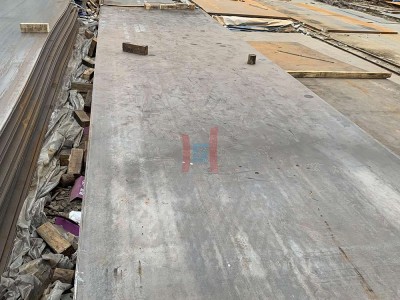
平面度とは、鋼板の平らで均一な表面を指します。, free from waviness, twists, or warping. It is essential in industries such as machinery manufacturing, 工事, and automotive, where precision is required. This is particularly important for 耐摩耗鋼板 like AR 400 そして AR 500, which are used in demanding applications requiring durability and strength.
Why Flatness Matters
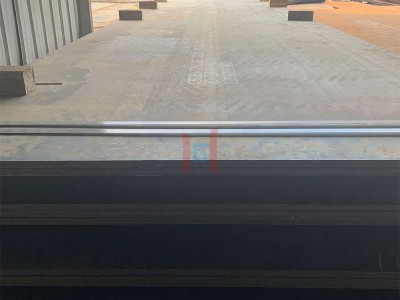
フラット 耐摩耗鋼板 are not just visually appealing; they enhance functionality, パフォーマンス, and product quality. Manufacturers and buyers prioritize flatness, especially in AR 400 そして AR 500 プレート, to ensure reliability in harsh environments.
Benefits of Flat Wear-Resistant Steel Plates
Better Handling and Processing
- Smooth surfaces allow for easier handling and transportation.
- Welding is more consistent, with even heat distribution, reducing distortion.
- Machining tools operate efficiently, ensuring accurate cuts and dimensions.
- Uniform flatness leads to consistent material properties and predictable manufacturing results.
Dimensional Stability
- フラット AR 400 そして AR 500 plates retain their shape under temperature changes and mechanical stress.
- Precise dimensions ensure proper alignment and assembly.
- Poor flatness leads to misalignment, increased wear, and lower efficiency.
Stronger Structural Integrity
- Flat steel distributes stress evenly, improving load-bearing capacity.
- 橋, 建物, and infrastructure gain enhanced durability and strength.
Reduced Deformation
- Less risk of distortion during heat treatment or machining.
- Ensures dimensional accuracy for high-precision components.
Time and Cost Efficiency
- Reduces the need for corrective processing.
- Saves time and lowers production costs.
Flatness Standards
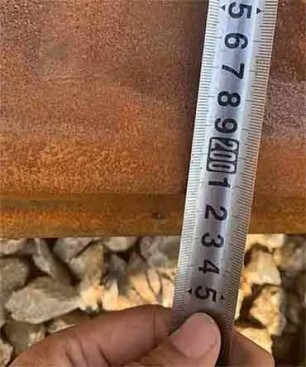
Flatness in 耐摩耗鋼板 follows ASTM A6/A-05a specifications, which set acceptable variation limits for different thicknesses. North American manufacturers must adhere to these standards, 購入者に測定可能な品質保証を提供する.
フラット AR 400 そして AR 500 鋼板には多くの利点があります, 効率性の確保, 耐久性, さまざまな業界にわたるコスト削減.