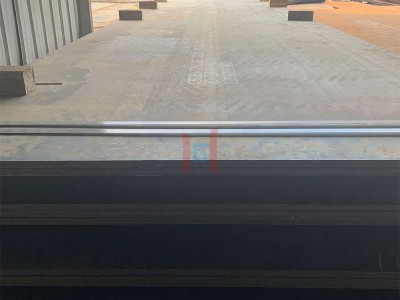
耐摩耗鋼板とバイメタル複合耐摩耗板の違い
耐摩耗鋼板とバイメタル複合耐摩耗板の違い
Wear-resistant steel plates and bimetallic composite wear-resistant plates differ in composition, 製造工程, とアプリケーション. 以下は、特定のニーズに適した材料を選択するのに役立つ詳細な比較です。.
1. 意味
- 耐摩耗性複合鋼板:
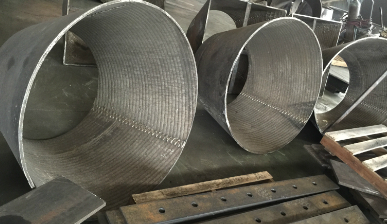
This plate consists of a high-alloy wear-resistant layer welded onto a standard steel plate by surfacing. It combines the wear resistance of the alloy layer with the load-bearing capacity, deformability, and weldability of the base plate. The hardness of the wear-resistant layer ranges from HRC52 to HRC64. - NM Wear-Resistant Steel Plate:
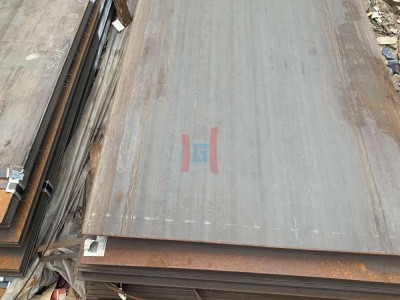
These are low-alloy steel plates that have been quenched and tempered to enhance wear resistance. They are commonly referred to as quenched and tempered steel plates, with hardness levels between HB350 and HB500. Examples include NM400, NM450, そしてNM500.
2. 耐摩耗機構
- 耐摩耗性複合鋼板:
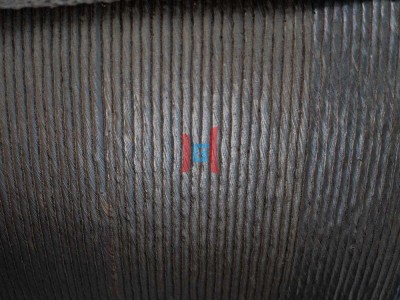
The alloy layer contains a high concentration of carbides (approximately HV1600) embedded in the matrix. These carbides provide exceptional wear resistance, similar to cemented carbide materials. The microhardness of the alloy layer far exceeds its macrohardness, making it highly effective in resisting wear. - NM Wear-Resistant Steel Plate:
The plate undergoes overall quenching and tempering, forming a martensitic structure that ensures uniform hardness. The microhardness and macrohardness are nearly identical, resulting in reliable wear resistance. - 比較:
Composite steel plates outperform NM plates in wear resistance due to the presence of carbide particles in the alloy layer.
3. 温度耐性
- NM Wear-Resistant Steel Plate:
Performance declines above 250°C due to annealing, which reduces hardness and wear resistance. Welding can also lower hardness near the weld zone. - 耐摩耗性複合鋼板:
These plates retain hardness and exhibit secondary hardening at elevated temperatures. They can operate effectively at temperatures up to 650°C.
4. Drilling and Cutting Methods
- NM Wear-Resistant Steel Plate:
These plates can be drilled using mechanical methods. High-speed steel (HSS) or cobalt alloy drill bits are recommended for precision. - 耐摩耗性複合鋼板:
Mechanical punching is not possible. Cutting requires plasma methods, followed by step holes created with a gas gun.
Summary of Key Differences
| 特徴 | Wear-Resistant Composite Plate | NM Wear-Resistant Plate |
|---|---|---|
| 硬度 | HRC52–64 | HB350–500 |
| 耐摩耗性 | Higher due to carbide presence | Moderate due to martensite |
| Temperature Limit | Up to 650°C | Up to 250°C |
| 掘削 | Plasma cutting only | Mechanical drilling possible |
When selecting a material, consider the application’s temperature, wear resistance needs, および加工要件.