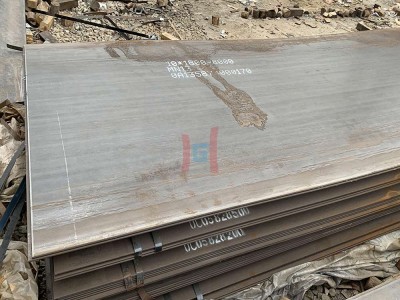
Mn13 강판: 성능 및 열처리 공정
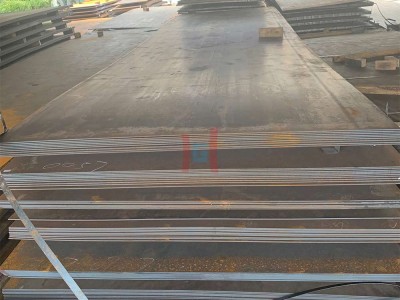
Mn13 강판은 탁월한 특성으로 알려진 내마모성 소재입니다.. 주로 망간으로 구성됨, 탄소도 포함되어 있어요, 규소, 인, 및 기타 요소. 경도가 높기 때문에, 내마모성, 그리고 힘, Mn13 강판은 광업과 같은 산업에서 널리 사용됩니다., 건설, 약, 그리고 발전. This document outlines its performance characteristics and heat treatment process.
1. Performance Characteristics of Mn13 Steel Plate
Mn13 steel plate stands out for its high hardness, 우수한 내마모성, and remarkable strength, making it suitable for demanding working conditions and ensuring extended equipment lifespan.
1.1 높은 경도
Mn13 steel plate achieves a hardness of HB300-400 at room temperature. The high manganese content forms a durable oxide layer on the surface, enhancing its wear resistance.
1.2 높은 내마모성
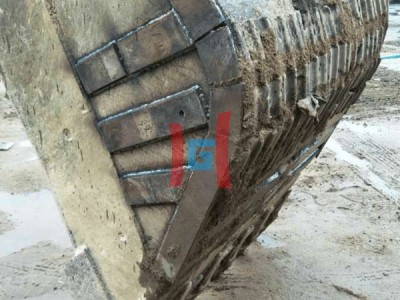
One of Mn13 steel plate’s key features is its wear resistance. Tests show it performs several times better than standard steel plates under friction and wear conditions, making it ideal for severe wear environments.
1.3 고강도
With a tensile strength exceeding 600 MPa and a yield strength of over 450 MPa, Mn13 steel plate resists deformation and breakage under heavy loads and impacts.
2. 열처리 공정
To enhance its properties, Mn13 steel plate undergoes a heat treatment process consisting of quenching and tempering. These steps improve its hardness, 인성, and overall performance.
2.1 담금질
Quenching involves heating the steel plate to about 950°C and rapidly cooling it to room temperature. This process transforms the internal austenite structure into martensite, significantly boosting hardness and wear resistance.
2.2 템퍼링
Tempering follows quenching to relieve internal stress and improve toughness and stability. The steel plate is heated to around 200°C and then slowly cooled. This step refines the internal structure, enhancing its durability and stability.
결론
By applying appropriate heat treatment processes, Mn13 강판으로 뛰어난 내마모성을 실현, 인성, 그리고 내구성, 까다로운 환경에서도 신뢰성을 보장. 적절한 처리로 장비 수명이 연장되고 유지 관리 비용도 절감됩니다., 다양한 산업 응용 분야에서 최적의 성능 보장.