
내마모성 클래딩 플레이트의 성능은 무엇입니까??
Performance Analysis
화학 성분
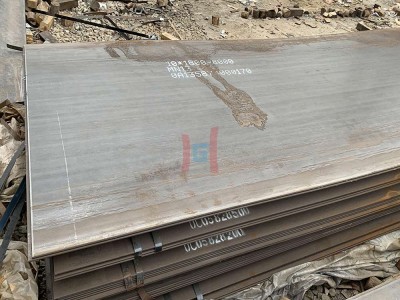
The wear resistance of cladding composite plates is achieved through a low-carbon steel substrate layered with a chromium carbide alloy. 특수 원소가 탄화물 형성을 강화합니다., 위에 구성되는 탄화물로 50% 금속 조직의.
경도
The surface hardness depends on the wear-resistant layer thickness, HRC56-65 내에서 조정 가능. Chromium carbide microhardness reaches HV1800, ensuring durability in various conditions.
Flatness and Thickness
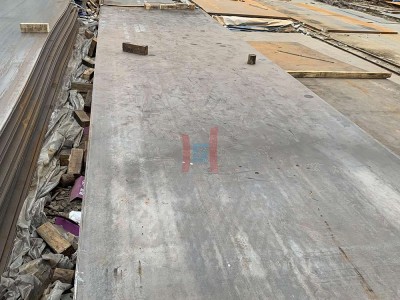
Flatness error remains within ±3mm/m, ensuring stable installation and usage. The wear-resistant layer maintains uniform thickness with a positive tolerance of 0-0.5mm, 수명 연장.
치수
너비
Maximum width reaches 2200mm, facilitating large equipment production while minimizing cutting, splicing, and costs.
길이
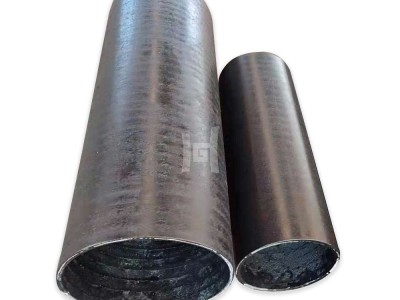
Maximum length of 10,000mm suits large-scale projects like mining machinery, 크러셔, 밀 라이너, enhancing durability and reducing maintenance costs.
Conventional Plate Thickness Specifications
Light and Thin
Options such as 3+3, 4+4, 그리고 5+5 are suitable for low-wear environments.
Heavy-Duty
Options like 16+6, 18+8, 그리고 20+10 suit high-temperature and high-pressure applications, such as metallurgical rollers and coal conveyor belts.
Teda provides a variety of plate thicknesses to meet diverse industrial needs.
Thickness Specifications by Plate Type
High Chromium Wear-Resistant Plate
With a wear layer up to 32mm thick, carbon content between 3.5%-5.5%, and chromium at 27%-40%, this plate forms over 50% Cr₇C₃ carbides, offering extreme hardness. Common substrate thickness is 6-10mm, balancing strength and wear resistance.
Impact-Resistant Plate
Wear layer thickness ranges from 20-40mm, absorbing high-speed impacts in stone-crushing production. The substrate, typically 8-12mm, supports impact dispersion and stability.
High-Temperature Wear-Resistant Plate
Designed for extreme heat, the wear layer ranges from 25-50mm. Suitable for furnace tuyeres and slag outlets, it withstands molten iron, slag, and thermal stress. The substrate, 10-15mm 두께, resists deformation under high temperatures.
Crack-Free Wear-Resistant Composite Plate
With a 15-30mm wear-resistant layer, this plate ensures durability in steel rolling applications, preventing cracks in precision components. The base plate, 6-9mm 두께, provides structural stability.
Special Element Wear-Resistant Plate
Wear layer thickness varies between 10-40mm, with elements like Mo, NB, ~ 안에, 여, and Y added for corrosion and wear resistance in chemical processing. The base plate, typically 5-10mm, ensures long-term equipment stability.
Applications and Advantages
Wear-resistant cladding composite plates are widely used in industries such as mining, 시멘트 생산, 발전소, 야금학. Their benefits include superior wear resistance, easy processing, and customization based on user requirements, 가동 중지 시간 및 운영 비용 절감.