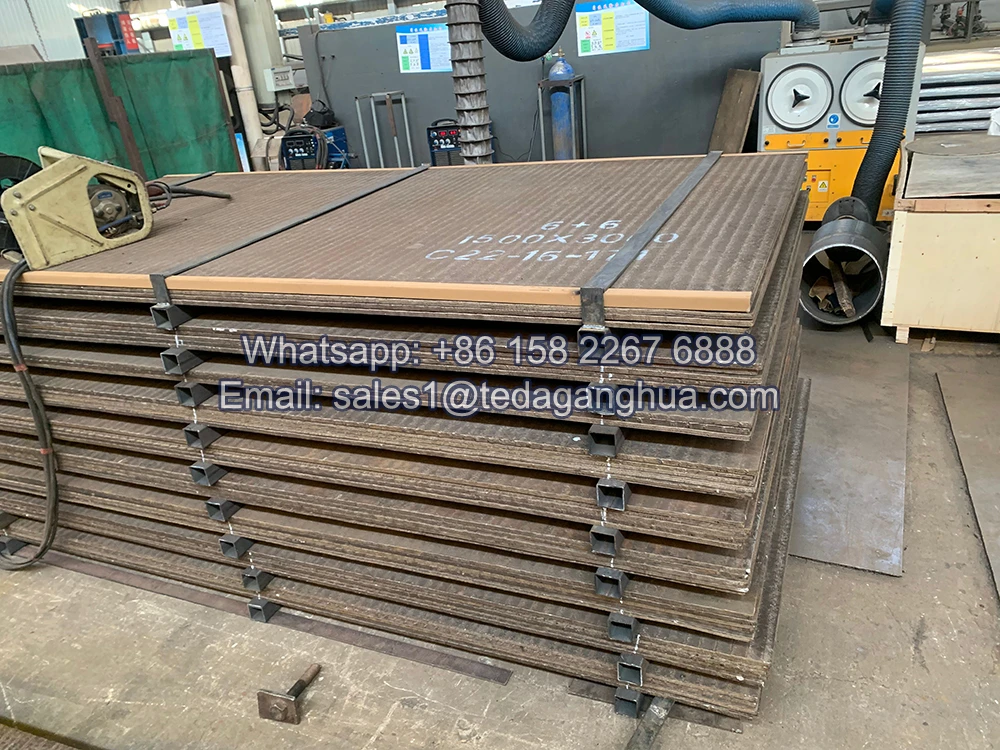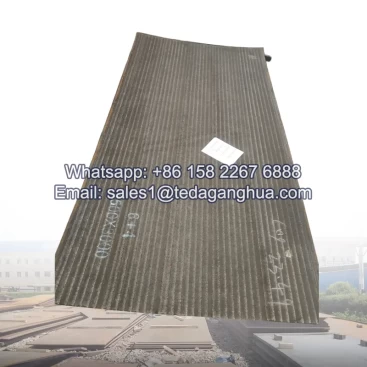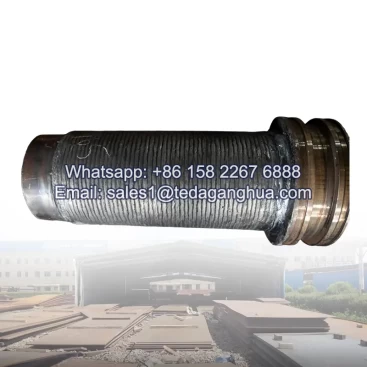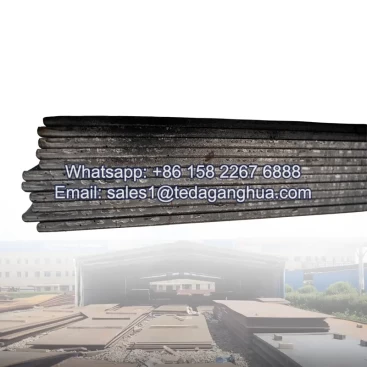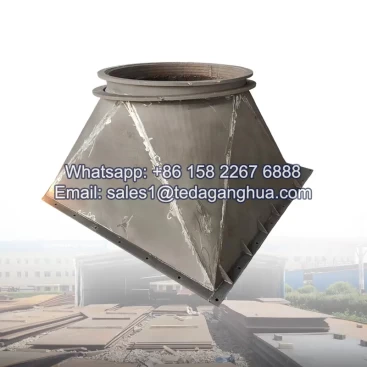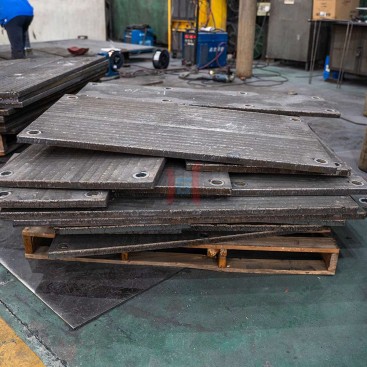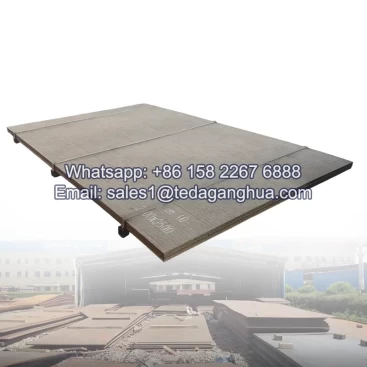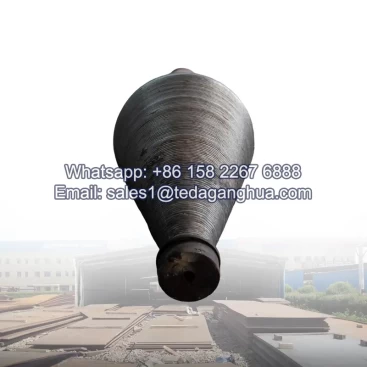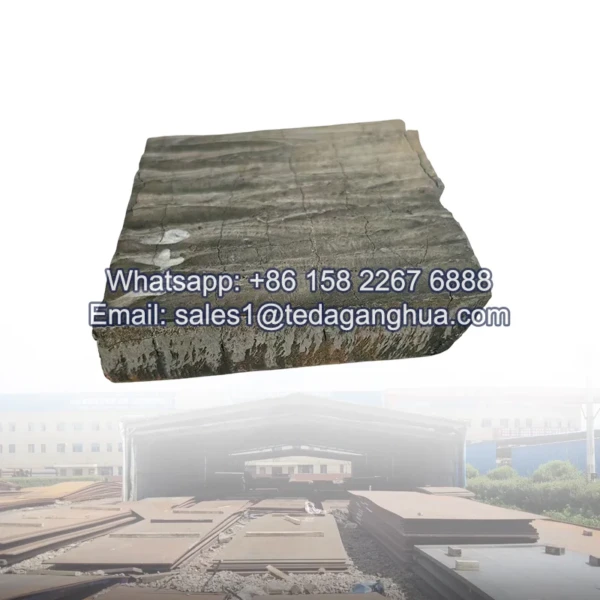
클래드 마모 플레이트


Clad Wear Plate is a versatile composite material that uses different wear-resistant cladding systems such as chromium carbide, 텅스텐 카바이드, martensitic steel, ceramic composites, and nickel-based alloys. Each material offers different balances of wear resistance, 충격 저항, and environmental suitability, allowing engineers to select the most appropriate solution for specific industrial conditions.
- 설명
Clad Wear Plate is a composite wear-resistant steel product made by bonding a high-performance wear-resistant layer onto a carbon steel or low-alloy steel base plate. It is designed to combine structural strength with excellent surface wear resistance, making it widely used in mining, 시멘트, 발전, 철강 공장, 및 벌크 자재 취급 시스템.
The performance of clad wear plates depends mainly on the type of wear-resistant cladding material used on the surface layer.
Structure of Clad Wear Plate
A typical clad wear plate consists of two layers:
- 기본 계층: Carbon steel or low-alloy steel for strength and toughness
- 클래딩층: Wear-resistant alloy layer for abrasion and erosion resistance
두 층은 야금학적으로 결합되어 있습니다., ensuring strong adhesion and long service life under harsh conditions.
Common Wear Resistant Cladding Materials
Different cladding materials are selected based on working conditions such as abrasion, 영향, 온도, and particle size.
1. 크롬 카바이드 오버레이 (CCO)
This is the most widely used cladding material for wear plates.
- High chromium and carbon content
- Forms hard carbide phases (Cr₇C₃, Cr²₃C₆)
- 경도: 일반적으로 55~65HRC
- Excellent resistance to sliding abrasion and particle erosion
일반적인 애플리케이션: mining liners, 시멘트 낙하산, coal handling systems
2. Tungsten Carbide Composite Layer
A high-end wear-resistant cladding material.
- Contains tungsten carbide (화장실) 입자
- 매우 높은 경도
- Superior abrasion resistance compared to chromium carbide
- Higher cost and specialized use
일반적인 애플리케이션: extreme wear zones, high-value equipment protection
3. Martensitic Steel Overlay
A tough and wear-resistant cladding system based on alloy steel.
- 마르텐사이트 미세구조
- 균형잡힌 경도와 인성
- 좋은 충격 저항
- 적당한 내마모성
일반적인 애플리케이션: 큰 영향 + 착용 환경
4. Ceramic-Embedded Cladding
A composite system with ceramic particles distributed in a metal matrix.
- Ceramic particles such as alumina or silicon carbide
- Extremely high resistance to particle erosion
- Lower impact resistance compared to metallic overlays
일반적인 애플리케이션: high-speed particle flow systems, pneumatic conveying
5. Nickel-Based Alloy Cladding
Used in special environments requiring corrosion and wear resistance.
- 우수한 내식성
- Good performance at high temperatures
- Moderate wear resistance compared to carbide systems
일반적인 애플리케이션: chemical industry, high-temperature equipment
Performance Comparison of Cladding Materials
| Cladding Type | 내마모성 | 충격 저항 | Temperature Resistance | 일반적인 사용 |
|---|---|---|---|---|
| 크롬 카바이드 | 매우 높음 | 중간 | 중간 | General industrial wear |
| 텅스텐 카바이드 | 매우 높음 | 중간 - 낮음 | 중간 | 심한 마모 영역 |
| Martensitic Steel | 중간~높음 | 높은 | 중간 | 영향 + wear conditions |
| Ceramic Composite | 매우 높음 | 낮음~중간 | 높은 | Erosion environments |
| Nickel Alloy | 중간 | 중간 | 높은 | Corrosive + high-temp use |
Key Performance Features of Clad Wear Plate
- Combines structural strength with surface wear resistance
- Customizable wear layer according to application
- Long service life in harsh industrial environments
- 유지 관리 및 가동 중지 시간 비용 절감
- Suitable for complex fabrication and installation
일반적인 산업 응용 분야
Clad wear plates are widely used in:
- 광산 및 채석장 장비
- Cement production systems
- 석탄 및 회분 처리 시스템
- Steel plant conveyors and chutes
- Power plant wear components
- 대량 자재 이송 시스템
- Heavy industrial machinery protection