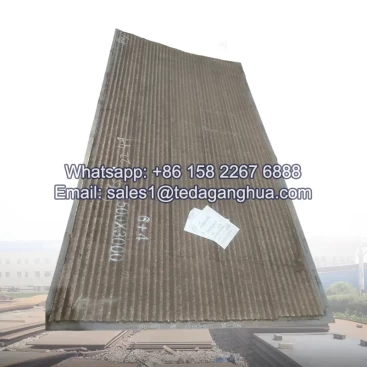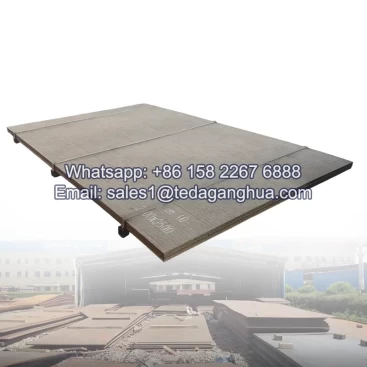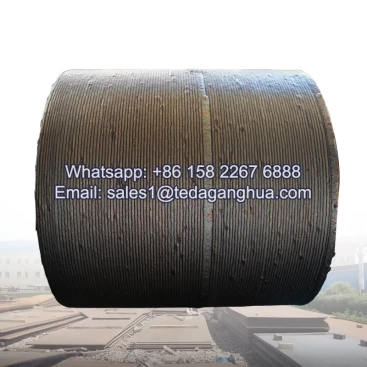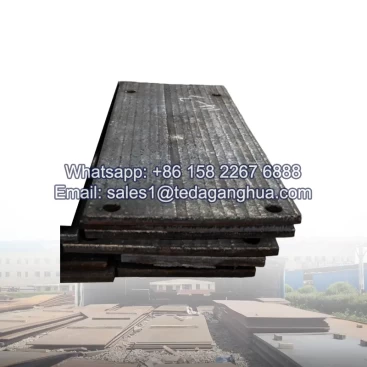
Usinagem de carboneto de tungstênio
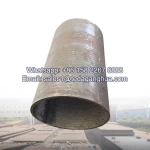
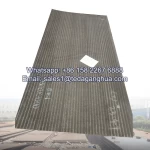
Tungsten carbide machining depende de powder metallurgy, sintering, and diamond grinding, not conventional cutting.
These advanced processes create components with unmatched hardness, extrema resistência ao desgaste, e longa vida útil, making tungsten carbide essential for mineração, óleo & gás, usinagem, and high-wear industrial applications.
- Descrição
Carboneto de tungstênio (Banheiro) is one of the hardest engineering materials used in modern industry. Combina dureza extrema, high compressive strength, and outstanding wear resistance, which makes machining it very different from ordinary steel or stainless steel.
Because of its hardness, tungsten carbide is not machined by conventional cutting. It is processed using powder metallurgy, precision forming, and grinding technologies.
How Tungsten Carbide Is Manufactured
Tungsten carbide components are produced through a powder metallurgy process, not by melting.
Etapa 1 – Powder Preparation
-
Tungsten powder
-
Carbon powder
-
Cobalt or nickel binder
These materials are mixed to form tungsten carbide composite powder.
Etapa 2 – Ball Milling
The powder mixture is:
-
Crushed
-
Homogenized
-
Refined to micron size
This ensures uniform carbide distribution and consistent hardness.
Etapa 3 – Pressing
The powder is compacted into shape using:
-
Uniaxial pressing
-
Cold isostatic pressing
Isto forma um green compact with the final geometry.
Etapa 4 – Sintering
The compact is heated to about 1350–1450°C in a controlled furnace.
The binder melts and bonds the carbide grains, producing a denso, solid material.
Isso cria:
-
Hardness up to HRA 90+
-
Resistência ao desgaste muito alta
Machining After Sintering
Once sintered, tungsten carbide becomes too hard for traditional machining.
Final shaping is done using:
| Método | Propósito |
|---|---|
| Diamond grinding | Achieve final dimensions |
| Música eletrônica (electrical discharge machining) | Cut complex shapes |
| Corte a laser | Precision profiling |
| Ultrasonic machining | Micro features |
Only diamond tools can cut tungsten carbide.
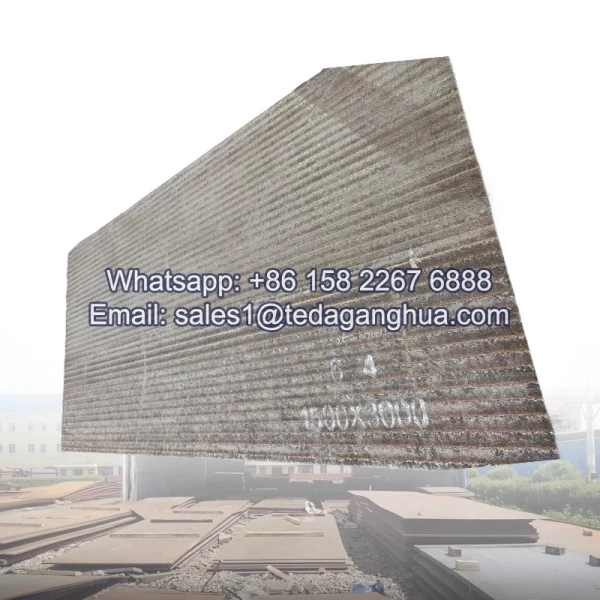
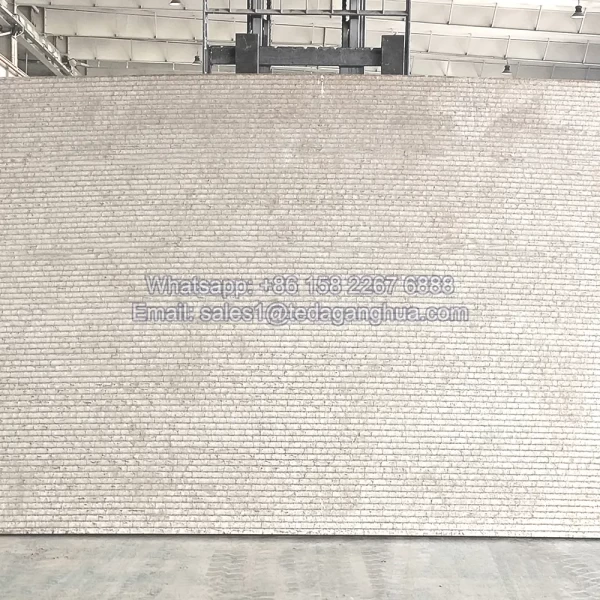
Tungsten Carbide in Overlay and Cladding
Em tungsten carbide overlay plates, carbide particles are:
-
Incorporado em uma matriz metálica
-
Welded or brazed onto steel surfaces
This allows:
-
Localized wear protection
-
Strong bonding to steel substrates
These parts are not machined after welding; they are formed to shape first.
Why Tungsten Carbide Is Hard to Machine
| Propriedade | Effect |
|---|---|
| Dureza extrema | Resists cutting |
| High brittleness | Cracks under impact |
| Low ductility | Cannot be bent or forged |
| Alta abrasão | Destroys normal tools |
This is why tungsten carbide is always shaped by grinding and advanced processes, not milling or turning.
Typical Tungsten Carbide Machined Products
-
Wear plates
-
Ferramentas de corte
-
Drilling components
-
Valve parts
-
Pump seals
-
Crusher inserts