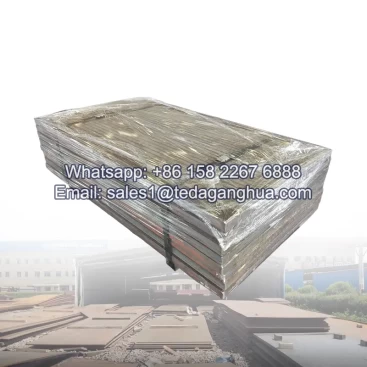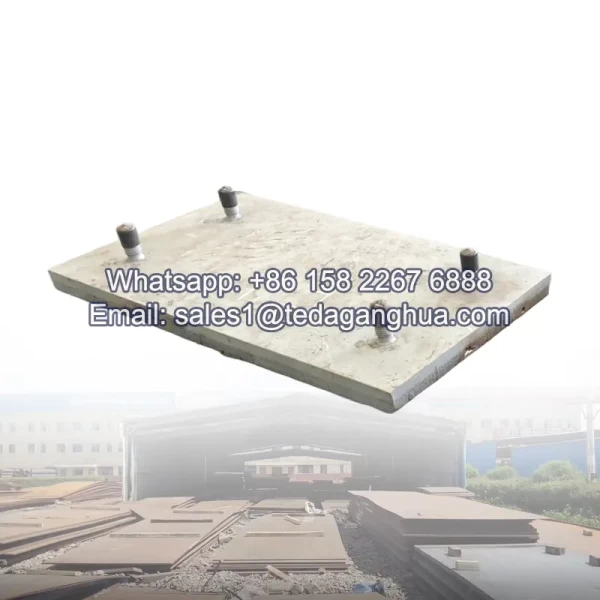
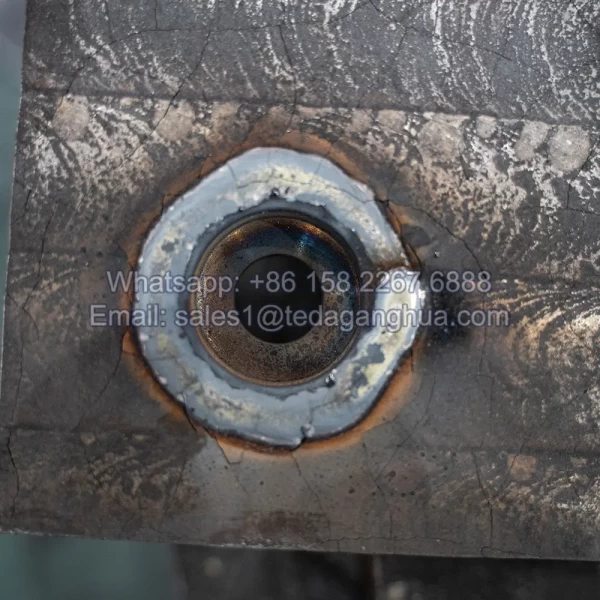
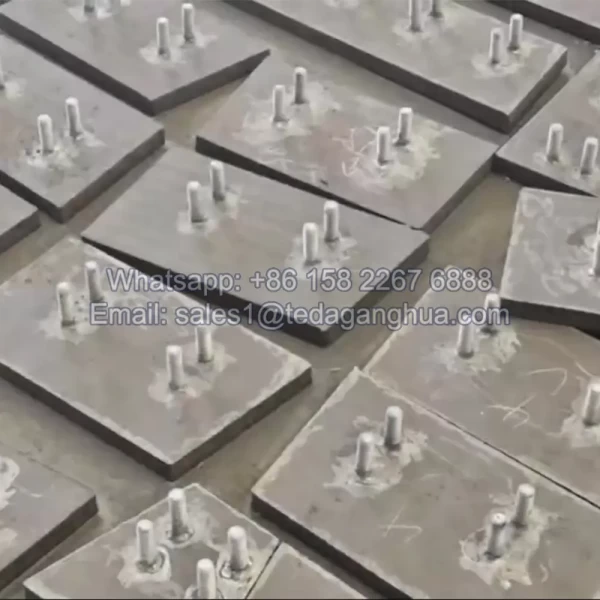
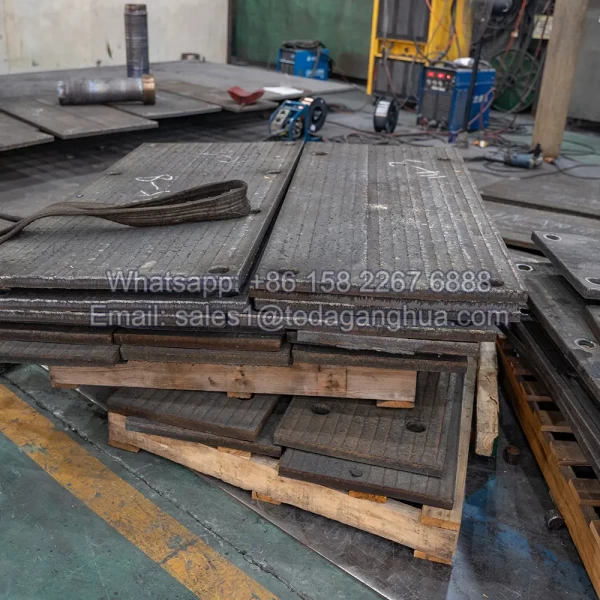
แผ่นเหล็กหุ้ม
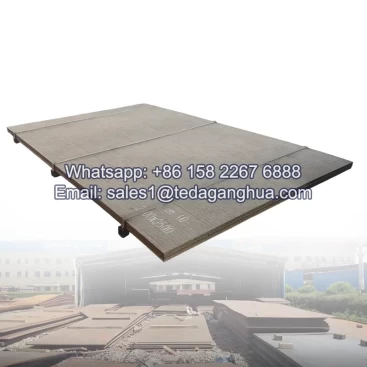
Hardfacing plates are a type of clad steel because they consist of two metallurgically bonded layers กับ different compositions and functions.
ที่ base layer ให้ความแข็งแรงของโครงสร้าง, ในขณะที่ carbide-rich overlay layer provides exceptional resistance to wear and heat.
This composite structure is the essence of clad steel technology—delivering the performance of multiple materials in a single, durable plate.
- คำอธิบาย
ก แผ่นเหล็กหุ้ม refers to a แผ่นเหล็กคอมโพสิต made by bonding two or more layers of metal materials with different properties.
The purpose of cladding is to combine the ความแข็งแรงและความเหนียวของเหล็กฐาน กับ special surface properties—such as wear resistance, ความต้านทานการกัดกร่อน, or heat resistance—of the cladding layer.
One of the most common examples of clad steel in industrial applications is the hardfacing or overlay plate, often known as a Carbide or Chromium Carbide Overlay (ซีซีโอ) จาน.
1. Definition of Clad Steel Plate
| ส่วนประกอบ | คำอธิบาย | การทำงาน |
|---|---|---|
| แผ่นฐาน | Usually made of carbon steel, low alloy steel, or stainless steel | ให้ความแข็งแรงของโครงสร้าง, ความเหนียว, และความสามารถในการเชื่อม |
| การหุ้ม / เลเยอร์ซ้อนทับ | Made of wear-resistant or corrosion-resistant alloy (such as chromium carbide, นิกเกิล, or stainless alloy) | Provides protection against wear, การกัดกร่อน, and heat |
| Bonding Interface | Metallurgical fusion zone created during welding or explosion bonding | Ensures strong and permanent adhesion between layers |
The combination of these layers forms a metallurgically bonded composite plate—which is why a แผ่นเคลือบแข็ง is also considered a clad steel plate.
2. Why Hardfacing Plates Are a Type of Clad Steel
(1) Two-Layer Composite Structure
Hardfacing plates consist of a โลหะฐาน (substrate) และก welded overlay layer.
The overlay—typically a chromium carbide alloy—is ถูกผูกมัดทางโลหะ to the steel substrate.
This dual-layer structure is the defining feature of clad steel.
(2) Different Functional Purposes
-
ที่ base plate provides mechanical strength, allowing the plate to withstand bending, ผลกระทบ, or vibration.
-
ที่ เลเยอร์ซ้อนทับ provides surface protection against abrasion, การกัดเซาะ, or high temperatures.
The combination allows the plate to maintain both mechanical integrity และ surface durability, similar to other cladding technologies like stainless-clad plates หรือ nickel-clad plates.
(3) Permanent Bonding (Metallurgical Fusion)
Unlike coatings or painting, the overlay in a hardfacing plate is not just attached mechanically—it’s fused at the atomic level through welding.
This metallurgical bond ensures the cladding layer does not peel off even under extreme wear or thermal stress.
(4) Composite Performance
ผลที่ได้คือแผ่นเหล็กที่มีลักษณะเป็น วัสดุรวมเดี่ยว, แต่ด้วย โซนประสิทธิภาพคู่:
-
เหนียวและเหนียว base layer
-
ทนทานเป็นพิเศษและทนต่อการสึกหรอ ชั้นผิว
นี่คือหลักการทางวิศวกรรมที่อยู่เบื้องหลังอย่างแม่นยำ การออกแบบเหล็กหุ้ม.
3. โครงสร้างทั่วไปของการเคลือบผิวแข็ง (หุ้ม) จาน
| ชั้น | วัสดุทั่วไป | การทำงาน | ความแข็ง |
|---|---|---|---|
| โอเวอร์เลย์ / ชั้นหุ้ม | เฟ-ซีอาร์-ซี (โครเมียมคาร์ไบด์), เฟ–ซีอาร์–เอ็นบี–โม–ซี (คอมเพล็กซ์คาร์ไบด์) | ให้ความต้านทานการสึกหรอและความร้อน | 58–65 เหล็กแผ่นรีดร้อน |
| โซนเปลี่ยนผ่าน | ขอบเขตฟิวชั่น | แผ่นรองพื้นและแผ่นฐาน | - |
| แผ่นฐาน | เหล็กอ่อน (Q235, A36), low alloy steel (Q345), or stainless steel | ให้ความแข็งแรงและเชื่อมได้ | 160–220 ฮ |
4. การเปรียบเทียบ: เหล็กหุ้มกับเหล็กธรรมดา
| คุณสมบัติ | แผ่นเหล็กธรรมดา | หุ้ม (การเคลือบผิวแข็ง) แผ่นเหล็ก |
|---|---|---|
| โครงสร้าง | ชั้นโลหะชั้นเดียว | คอมโพสิตสองชั้น (ฐาน + ซ้อนทับ) |
| ความแข็ง | 150–300 ฮ | 600–750 เอชวี (อยู่ที่ 58–65 เหล็กแผ่นรีดร้อน) |
| ความต้านทานการสึกหรอ | ต่ำ | สูงมาก |
| การกัดกร่อน / ความต้านทานความร้อน | จำกัด | สูง (ขึ้นอยู่กับโลหะผสมที่ซ้อนทับ) |
| อายุการใช้งาน | สั้น | 5–20× ยาวขึ้น |
| ประสิทธิภาพต้นทุน | ต่ำลงในตอนแรก | มูลค่าระยะยาวที่สูงขึ้น |
5. ประเภทของวิธีการหุ้ม
มีหลายวิธีในการผลิตเหล็กหุ้ม, ขึ้นอยู่กับประเภทของบริการที่ต้องการ:
| วิธีการหุ้ม | คำอธิบาย | การใช้งานทั่วไป |
|---|---|---|
| การเชื่อมซ้อนทับ (การเคลือบผิวแข็ง) | โลหะผสมหลอมเหลวจะถูกเชื่อมลงบนพื้นผิวแผ่นฐาน | แผ่นทนต่อการสึกหรอ (แผ่นคาร์ไบด์) |
| การหุ้มระเบิด | แผ่นยึดติดกันโดยใช้แรงระเบิดที่ควบคุมได้ | แผ่นเคลือบสแตนเลสทนต่อการกัดกร่อน |
| การติดแบบม้วน / การกดร้อน | พันธะการแพร่กระจายความดันและอุณหภูมิสูง | แผ่นภาชนะรับความดันขนาดใหญ่ |
| การหุ้มด้วยเลเซอร์ / ปตท | บาง, การซ้อนทับที่แม่นยำโดยใช้เลเซอร์หรือพลาสมา | เครื่องมือ, การบินและอวกาศ, และส่วนประกอบวาล์ว |
ในบรรดาสิ่งเหล่านี้, การเชื่อมซ้อนทับ เป็นเรื่องธรรมดาที่สุดสำหรับ แผ่นสึกหรอของคาร์ไบด์, เนื่องจากมีความแข็งสูงและมีการหลอมรวมที่แข็งแกร่งในราคาประหยัด.
6. การใช้งานแผ่นหุ้มผิวแข็ง
เนื่องจากการออกแบบคอมโพสิต, แผ่นสึกหรอแบบหุ้มถูกนำมาใช้กันอย่างแพร่หลายในอุตสาหกรรมที่มีการเสียดสี, ผลกระทบ, and heat:
-
การทำเหมืองแร่และเหมืองหิน – ตก, กรวย, เครื่องบด, หน้าจอ
-
อุตสาหกรรมปูนซีเมนต์ – คูลเลอร์ปูนเม็ด, พายุไซโคลน, สายพานลำเลียง
-
โรงไฟฟ้า – เครื่องป้อนถ่านหิน, ท่อเถ้า, ใบพัดพัดลม
-
โรงถลุงเหล็ก – แผ่นรองพืชเผา, รางโอน
-
เครื่องจักรก่อสร้าง – ถังโหลด, ใบมีดดันดิน, แขนผสม
ของพวกเขา องค์ประกอบสองชั้น ทำให้เป็นโซลูชันที่เหมาะสมที่สุดในการยืดอายุอุปกรณ์และลดความถี่ในการบำรุงรักษา.
7. สรุป
| คุณสมบัติ | แผ่นเหล็กหุ้ม (การเคลือบผิวแข็ง) |
|---|---|
| โครงสร้าง | แผ่นฐาน + การซ้อนทับด้วยพันธะทางโลหะ |
| วัสดุซ้อนทับ | โครเมียมคาร์ไบด์, คาร์ไบด์เชิงซ้อน, หรือชั้นโลหะผสม |
| ความแข็ง | 58–65 เหล็กแผ่นรีดร้อน |
| ประเภทพันธบัตร | ฟิวชั่นโลหะ |
| การทำงาน | ผสานความเหนียวและการปกป้องพื้นผิว |
| อุตสาหกรรม | การทำเหมืองแร่, ปูนซีเมนต์, พลัง, เหล็ก, การก่อสร้าง |