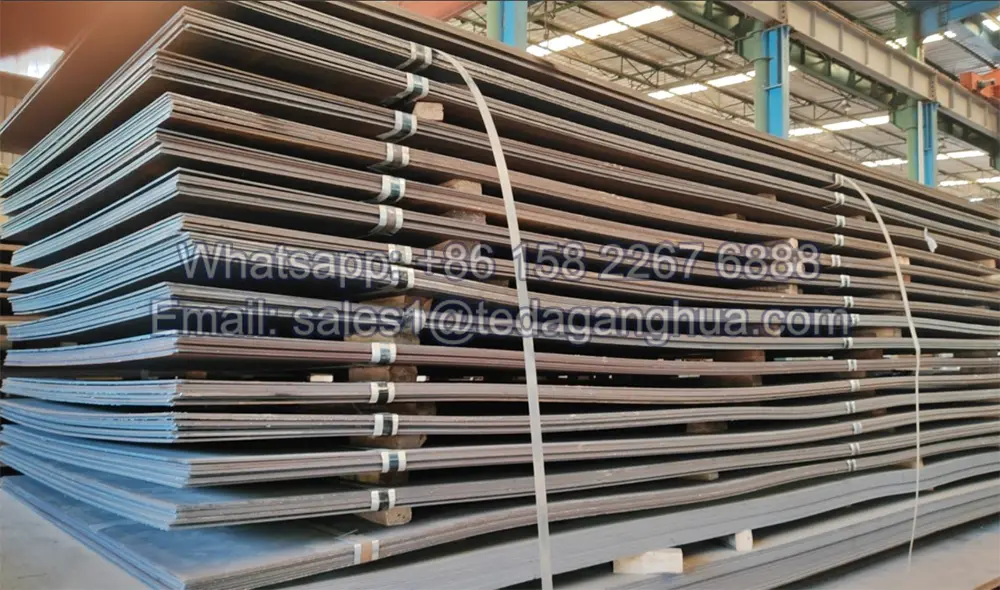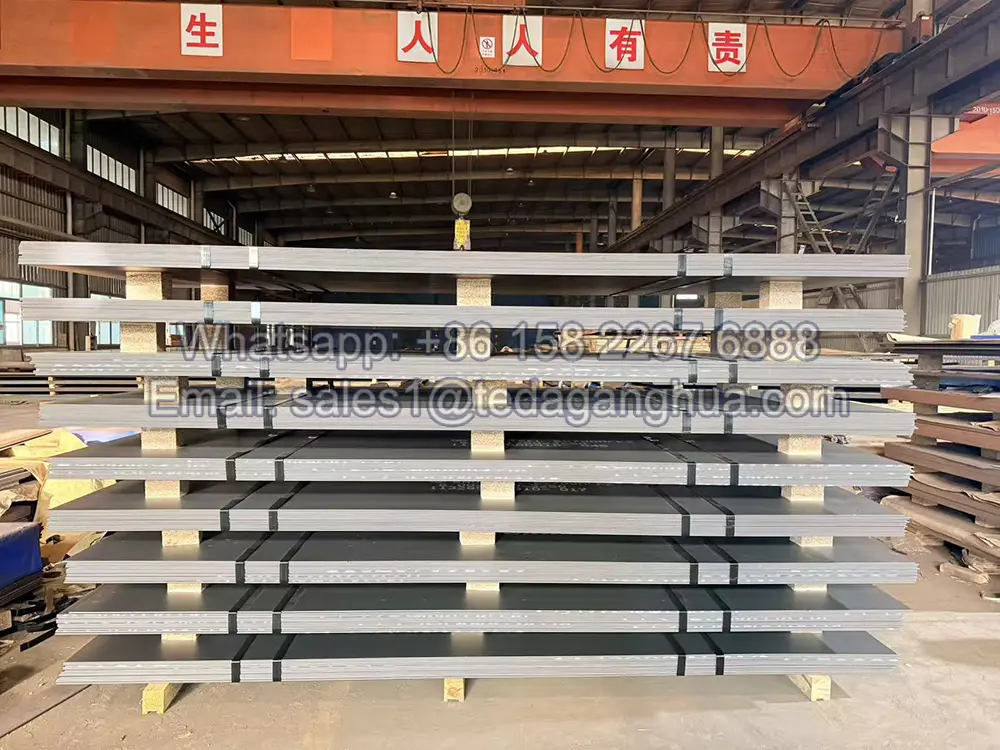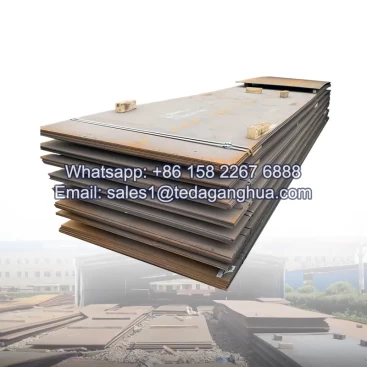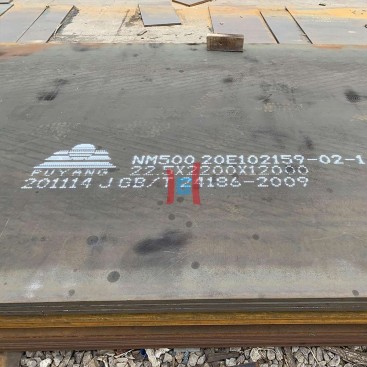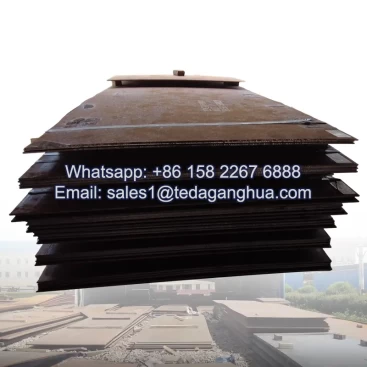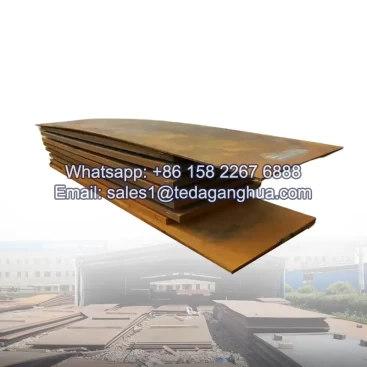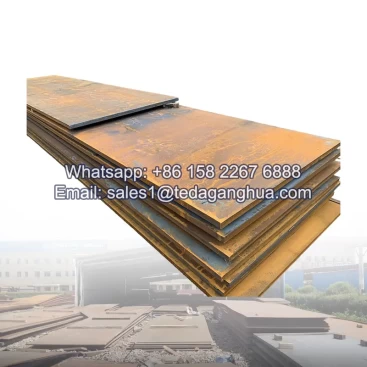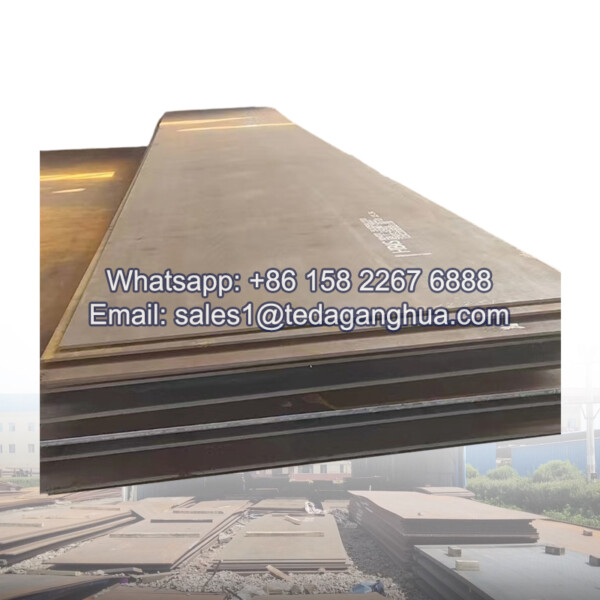
ความต้านทานการสึกหรอของโลหะ
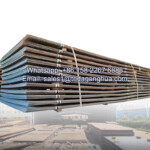
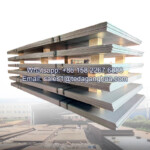
Wear-resistant metals are primarily based on carbon steel because carbon provides the fundamental ability to achieve high hardness through heat treatment while maintaining toughness and cost efficiency.
By combining carbon steel with controlled alloying elements, manufacturers can produce steels that deliver an optimal balance of:
- ความแข็ง
- ความเหนียว
- ทนต่อการสึกหรอ
- Economic performance
- คำอธิบาย
Wear resistance of metals refers to a material’s ability to resist surface damage caused by friction, รอยขีดข่วน, ผลกระทบ, and erosion during service. In heavy industries such as mining, ปูนซีเมนต์, การผลิตเหล็ก, และการจัดการวัสดุจำนวนมาก, wear resistance is a critical performance requirement for extending equipment service life.
Most industrial wear-resistant steels are based on carbon steel, rather than stainless steel or pure alloy metals. This is not accidental—it is the result of a balance between hardness, ความเหนียว, ค่าใช้จ่าย, and manufacturability.
Why Wear-Resistant Steel Is Mainly Carbon Steel
1. Carbon Is the Key Element for Hardness
Carbon is the most important element in steel for increasing hardness.
- Higher carbon content → higher hardness
- Higher hardness → better resistance to abrasion
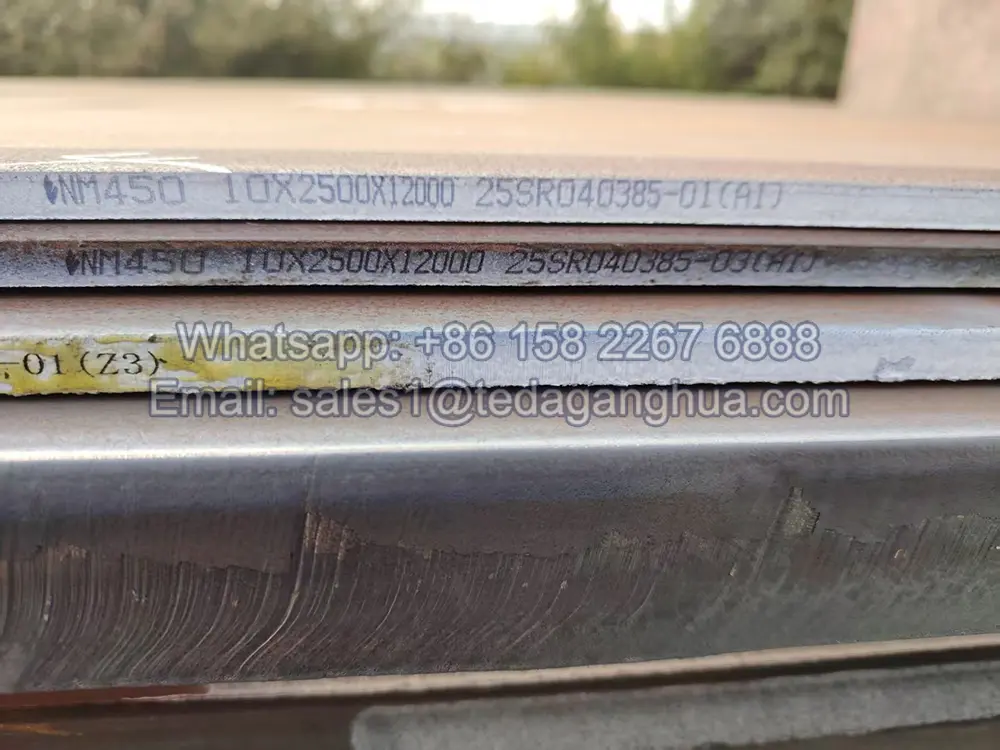
In wear-resistant steels (เช่น AR400, AR450, AR500, ซีรี่ส์ NM), carbon steel provides the base structure that can be heat treated into a hard martensitic phase.
2. Heat Treatment Works Best on Carbon Steel
Wear-resistant steels rely heavily on:
- การดับ
- การแบ่งเบาบรรเทา
Carbon steel responds very well to these processes:
- Forms a hard martensitic microstructure
- Achieves high surface hardness (360–540+ HBW)
- Maintains usable toughness after tempering
This is difficult and inefficient in many non-carbon systems.
3. Balance Between Hardness and Toughness
Wear resistance is not only about hardness—it also requires toughness.
Carbon steel allows:
- Hard surface to resist abrasion
- Tough core to absorb impact
- Controlled crack resistance
This balance is essential for mining and heavy machinery applications.
4. ประสิทธิภาพต้นทุน
Carbon steel is:
- มีจำหน่ายกันอย่างแพร่หลาย
- Easy to produce in large plates
- Lower cost than high-alloy or stainless steels
For large-scale industrial use, cost is a major factor:
- การทำเหมืองสมุทร
- Crusher plates
- Conveyor wear parts
Using high-alloy steels would be too expensive for these applications.
5. Alloy Steel Enhances Carbon Steel, Not Replaces It
Wear-resistant steels are not pure carbon steel—they are alloyed carbon steels.
Common added elements:
| องค์ประกอบ | การทำงาน |
|---|---|
| โครเมียม (Cr) | ปรับปรุงความต้านทานการสึกหรอ |
| แมงกานีส (มน) | ช่วยเพิ่มความแข็งแกร่ง |
| โมลิบดีนัม (โม) | ทำให้ความแข็งคงตัว |
| นิกเกิล (ใน) | ช่วยเพิ่มความทนทานต่อแรงกระแทก |
These alloys enhance carbon steel performance but keep carbon steel as the base.
Why Stainless Steel Is Not Used for Wear Resistance
Although stainless steel has corrosion resistance, it is not ideal for wear applications:
- Lower surface hardness compared to AR steels
- More expensive
- Designed for corrosion, not abrasion
- Faster wear under high abrasion conditions
ตัวอย่าง:
- 304 สแตนเลส: ~150–200 HBW
- AR400 steel: ~360–440 HBW
This large hardness gap explains the difference in wear performance.
How Carbon Steel Achieves Wear Resistance
Wear-resistant carbon steel works through three main mechanisms:
1. Hard Martensitic Structure
After quenching:
- Austenite transforms into martensite
- Creates very hard surface structure
- Resists cutting and scratching
2. Controlled Alloying
Elements like Cr, มน, และโม:
- Strengthen the steel matrix
- ปรับปรุงเสถียรภาพการต้านทานการสึกหรอ
- Reduce deformation under stress
3. การแข็งตัวของงาน (in some grades)
In manganese steels (MN13, มนส.18):
- Surface becomes harder during impact
- Extends service life in dynamic wear conditions
Industrial Importance of Carbon-Based Wear Steel
Carbon-based wear steels are widely used because they provide:
- ทนต่อการสึกหรอสูง
- High impact resistance
- Easy fabrication (การตัด, การเชื่อม)
- Economical large-scale production
การใช้งานทั่วไป
อุตสาหกรรมเหมืองแร่
- ถังขุด
- สมุทรบด
- ระบบถังและรางน้ำ
อุตสาหกรรมปูนซีเมนต์
- Grinding equipment
- แผ่นรองเตาเผา
- ระบบขนย้ายวัสดุ
อุตสาหกรรมเหล็ก
- พืชเผา
- ระบบการจัดการโค้ก
- แผ่นสึกหรอของสายพานลำเลียง
การจัดการวัสดุจำนวนมาก
- ผ้าปูเตียงรถบรรทุก
- ถังเก็บของ
- รางโอน