แผ่นเหล็กที่ทนต่อการสึกหรอสำหรับสภาพการสึกหรออย่างหนัก
แผ่นเหล็กทนต่อการสึกหรอ
ภาพรวม
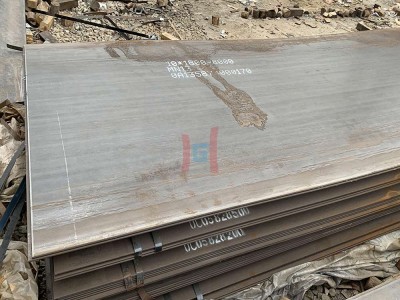
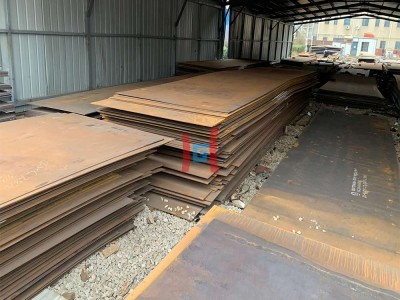
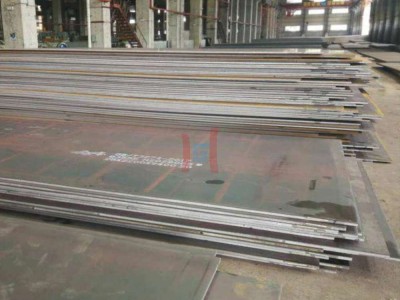
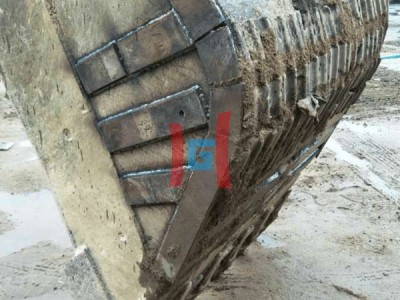
Wear-resistant steel plates are used where heavy wear and damage often occur. แผ่นเหล่านี้ทำด้วยฐานที่แข็งแกร่งและชั้นพื้นผิวที่ทนทาน.
องค์ประกอบและโครงสร้าง
Wear-resistant plates are made from two layers:
-
ชั้นฐาน (เหล็กแผ่นรีดเย็น):
ใช้สำหรับความต้านทานความแข็งแรงและการดัดงอ. -
ชั้นผิว (อัลลอยอลูมิเนียม):
ให้ความต้านทานการสึกหรอสูง.
🔹 Usually, the alloy layer is 1/3 ถึง 1/2 ของความหนาทั้งหมด.
🔹 The layers are joined by special welding machines.
🔹 One to three alloy layers may be stacked.
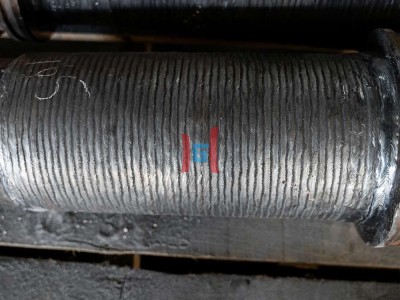
🔹 Small horizontal cracks often form due to shrinking. These are normal and expected.
ส่วนประกอบโลหะผสม
The alloy layer contains:
-
โคบอลต์ (main element)
-
แมงกานีส
-
โมลิบดีนัม
-
Niobium
-
นิกเกิล
These elements form cementite fibers that run straight from the surface down.
Even at 500℃, the layer stays strong and resists rust.
Types of Plates
Wear-resistant plates are divided into three main types:
-
วัตถุประสงค์ทั่วไป:
Used in many industries. -
ทนต่อแรงกระแทก:
Made for high-impact situations. -
ทนความร้อน:
Handles high temperatures well.
การใช้งานทั่วไป
These plates are widely used in:
-
Steel and metal factories
-
Coal processing
-
โรงไฟฟ้า
-
Concrete mixing
-
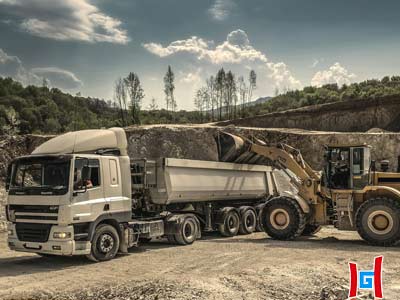
Mining and construction
-
Glass and brick kilns
They are often chosen because they cost less over time than many other materials.
แบบฟอร์มสรุป
| Section | Details |
|---|---|
| Main Use | Heavy wear conditions |
| โครงสร้าง | Cold-rolled steel base + aluminum alloy surface |
| Alloy Thickness | 1/3 ถึง 1/2 of total plate thickness |
| วิธีการติด | Automatic welding, layered joining |
| Visible Features | Horizontal cracks from shrinkage |
| องค์ประกอบหลัก | โคบอลต์, มน, โม, ไม่มี, ใน |
| ความต้านทานความร้อน | Up to 500℃ |
| Plate Types | General, ทนต่อแรงกระแทก, ทนความร้อน |
| Industries Used In | การทำเหมืองแร่, โลหะวิทยา, ถ่านหิน, พลัง, คอนกรีต, brick kilns, กระจก, การก่อสร้าง |
| ข้อดี | Long life, มีความแข็งแรงสูง, good cost-performance |