Thép mangan cao và tấm phủ crom cacbua cho các cạnh cắt vật liệu phế liệu
Công nghiệp tái chế phế liệu: Nên sử dụng lưỡi cắt vật lộn bằng thép mangan cao hoặc tấm phủ crom cacbua?
Trong ngành tái chế phế liệu, các cạnh cắt vật lộn phải chịu tác động liên tục, mài mòn trượt, và sự tiếp xúc giữa kim loại với kim loại. Chọn sai chất liệu mặc có thể dẫn đến việc phải bảo trì thường xuyên, giảm năng suất, và tăng chi phí hoạt động. Two of the most common material options are thép mangan cao (Mn13) Và lớp phủ crom cacbua (CCO) wear plate. Each material performs differently depending on the operating conditions.
This guide compares their wear mechanisms, chống va đập, cuộc sống phục vụ, and application suitability to help equipment manufacturers and recycling operators make the right decision.
1. Material Characteristics Comparison
| Tài sản | Thép mangan cao (Mn13) | Tấm lớp phủ crom cacbua |
|---|---|---|
| Main wear mechanism | Làm việc cứng lại dưới tác động | Extremely hard chromium carbide layer resists abrasion |
| Độ cứng bề mặt | HB 200–250 (before work hardening) | HRC 58–65 |
| Chống va đập | Xuất sắc | Trung bình đến cao (depends on overlay design) |
| Chống mài mòn | Good under heavy impact | Outstanding under sliding abrasion |
2. Nguyên tắc làm việc: Different Wear Mechanisms
Thép mangan cao becomes harder as it experiences repeated impact. Trong quá trình vận hành, its surface gradually work-hardens while maintaining a tough core, making it ideal for severe impact applications.
Tấm phủ crom cacbua relies on a dense network of chromium carbides embedded in a welded alloy layer. These carbides provide exceptional resistance to abrasive wear even without repeated impact.
3. Which Material Fits Different Scrap Types?
| Scrap Material | Vật liệu được đề xuất | Lý do |
|---|---|---|
| Heavy structural steel | Thép mangan cao | High impact loading activates work hardening |
| Mixed scrap with dirt and sand | Overlay plate | Excellent resistance to abrasive particles |
| Automobile scrap | Overlay plate | Longer edge life under continuous abrasion |
| Demolition scrap | Combination design | Impact and abrasion occur simultaneously |
4. So sánh tuổi thọ dịch vụ
| Điều kiện hoạt động | Thép mangan cao | Tấm phủ |
|---|---|---|
| Tác động cao | Xuất sắc | Tốt |
| Continuous sliding wear | Vừa phải | Xuất sắc |
| Tác động hỗn hợp + mài mòn | Tốt | Rất tốt |
| Maintenance interval | Trung bình | Dài |
For many modern scrap yards, overlay plates significantly extend maintenance intervals because abrasive wear is often the dominant failure mode.
5. Hybrid Design: The Best of Both Materials
Many equipment manufacturers now combine both materials in one grapple:
| Thành phần | Vật liệu được đề xuất |
|---|---|
| Main structural frame | Thép kết cấu cường độ cao |
| Impact zones | Thép mangan cao |
| Cutting edges | Tấm phủ crom cacbua |
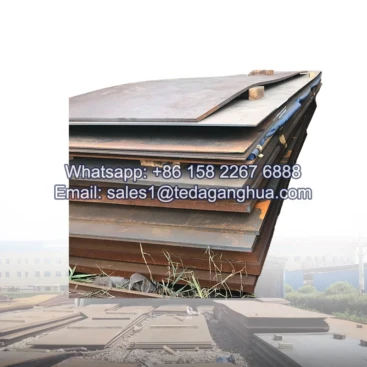
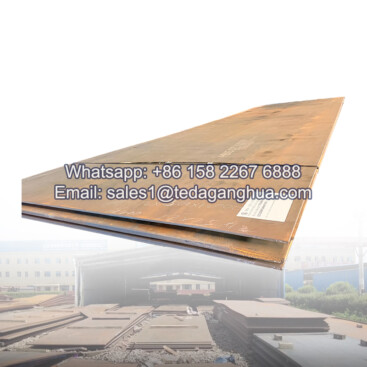
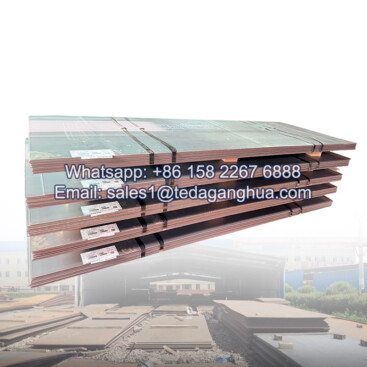
| High-wear liners | Overlay plate or NM400 wear plate |
This hybrid solution balances toughness, chống mài mòn, and overall lifecycle cost.
6. Selection Decision Guide
| If Your Primary Challenge Is… | Vật liệu được đề xuất |
|---|---|
| Heavy impact loads | Thép mangan cao |
| Mài mòn nghiêm trọng | Tấm phủ crom cacbua |
| Balanced impact and abrasion | Hybrid solution |
| Long maintenance intervals | Overlay plate |
7. Why Buyers Choose Teda Ganghua
Tại Teda Ganghua, we supply high-performance wear-resistant materials for the recycling, khai thác mỏ, xi măng, và công nghiệp thiết bị nặng. Our product range includes NM400 wear-resistant steel plates, tấm phủ crom cacbua, and customized wear solutions for grapples, xô, rơi, máy nghiền, and recycling equipment.
We provide CNC cutting, custom fabrication, wear component design support, and export packaging to help customers reduce downtime and improve equipment productivity.
Khám phá các sản phẩm thép chịu mài mòn của chúng tôi tại đây:
NM400 Wear Tele
Phần kết luận
Neither high manganese steel nor chromium carbide overlay plate is universally better. High manganese steel excels under severe impact loading, while overlay plates deliver outstanding abrasion resistance and longer service life in sliding wear environments. Understanding the dominant wear mechanism is the key to selecting the most cost-effective solution for scrap recycling equipment.