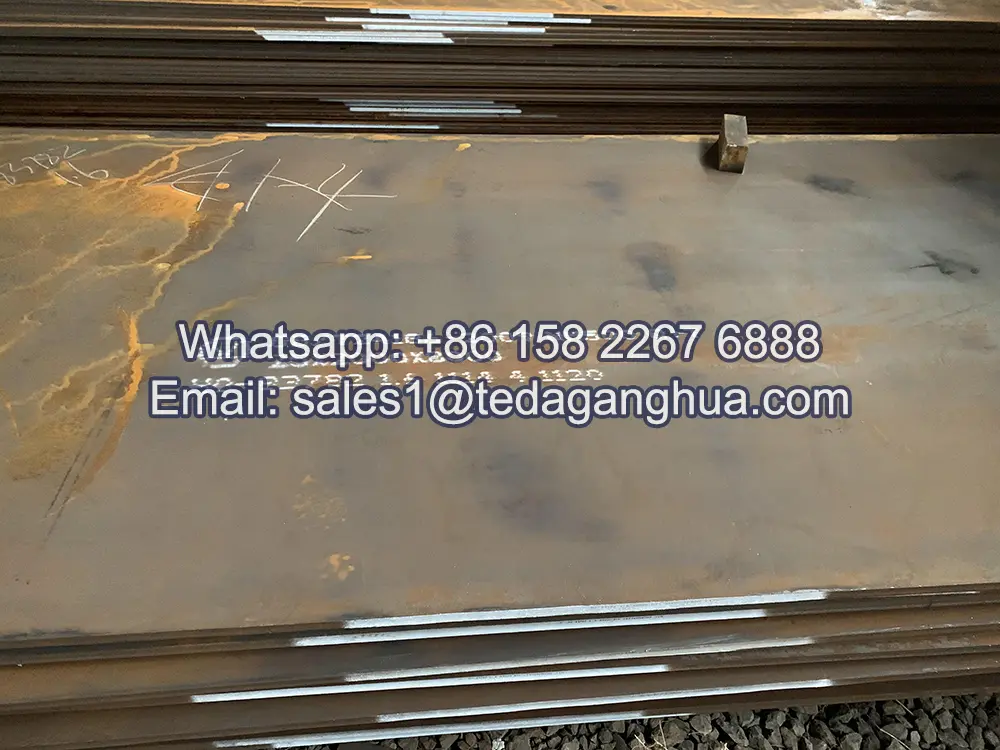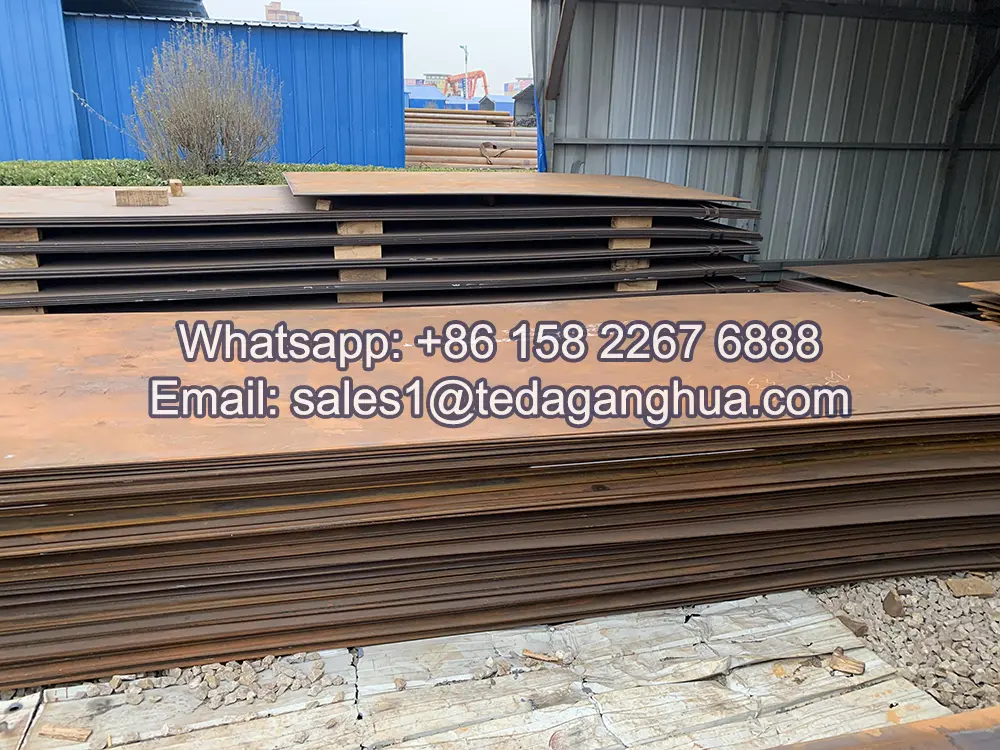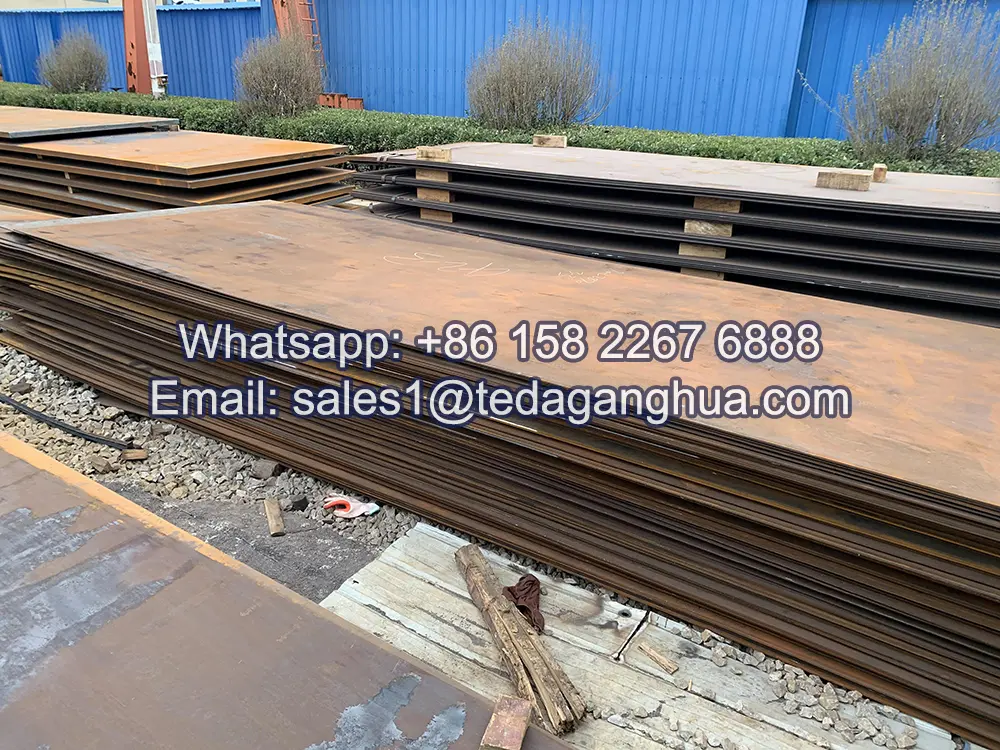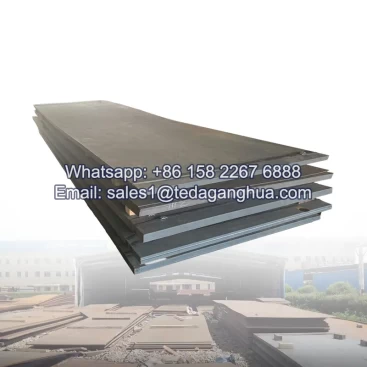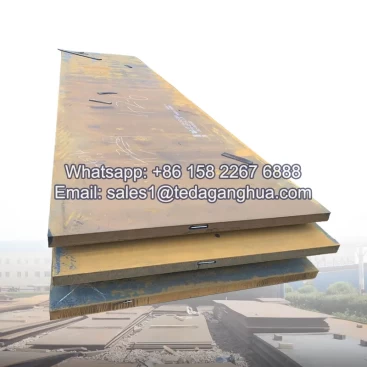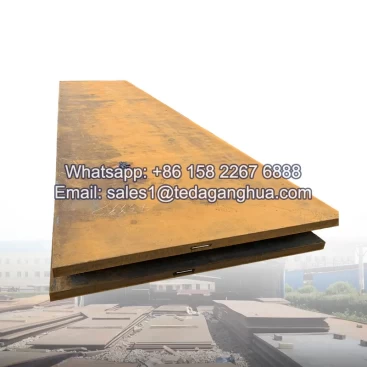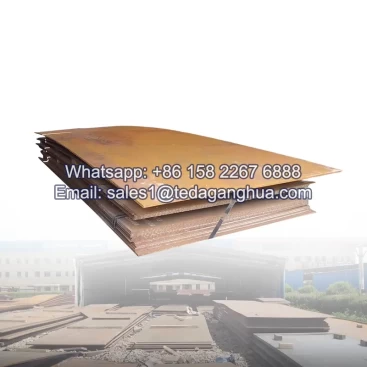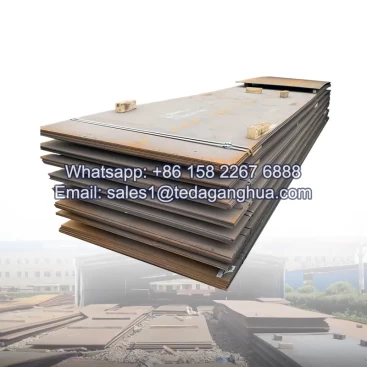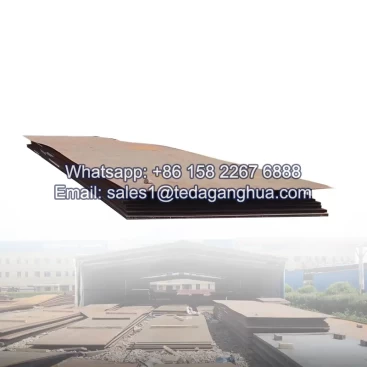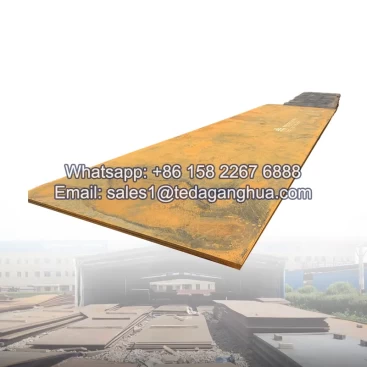
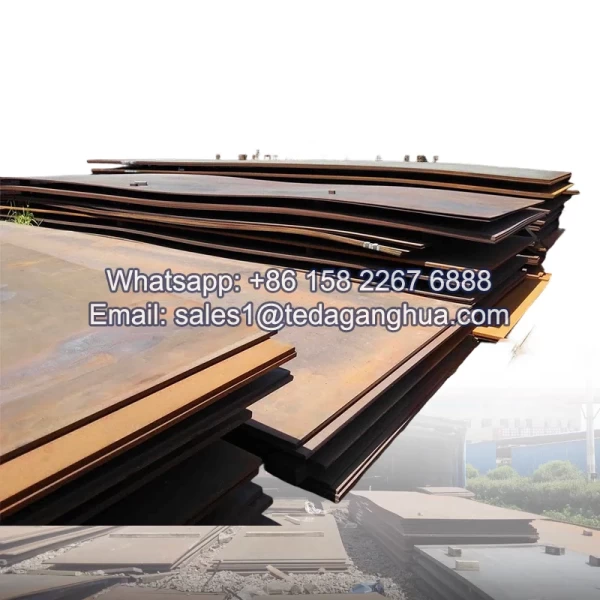
Tấm thép Ar400


AR400 and AR500 steel plates are both high-performance wear resistant materials, but they are designed for different working conditions. AR400 offers better toughness and easier fabrication, making it suitable for general industrial applications. AR500 provides significantly higher hardness and wear resistance, making it ideal for extreme abrasion environments.
- Sự miêu tả
AR400 steel plate and AR500 steel plate are two of the most commonly used chống mài mòn (AR) Mặc thép. Both are quenched and tempered steels designed for wear protection, but they differ significantly in độ cứng, sự dẻo dai, khả năng định hình, and application range.
Understanding the difference between AR400 and AR500 is important for selecting the right material for specific wear environments.
AR400 vs AR500 Steel Plate Comparison
| Tài sản | Tấm thép AR400 | Tấm thép AR500 |
|---|---|---|
| độ cứng (HBW) | ~360–440 HB | ~470–540 HB |
| Chống mài mòn | Trung bình đến cao | Rất cao |
| độ dẻo dai | Cao hơn | Thấp hơn |
| Chống va đập | Tốt hơn | Vừa phải |
| Khả năng định dạng | Easier to cut, uốn cong, và hàn | More difficult to process |
| Cuộc sống phục vụ | Tốt | Longer in high-abrasion conditions |
| Hiệu quả chi phí | More economical | Higher cost but longer wear life |
1. Wear Resistance Difference
AR500 has significantly higher hardness than AR400, which directly improves its resistance to:
- Trượt mài mòn
- Sand and gravel wear
- Ore and mineral impact
- Continuous material flow erosion
Phần kết luận:
AR500 performs better in extreme wear environments, while AR400 is suitable for balanced conditions.
2. Độ bền và sức cản tác động
AR400 has higher toughness, meaning it can better absorb impact energy without cracking. This makes it suitable for applications involving:
- Heavy shock loading
- Impact from rocks or machinery
- Dynamic structural stress
AR500, due to its higher hardness, is more brittle compared to AR400 and is less suitable for high-impact conditions.
3. Processing and Fabrication
AR400 is easier to process:
- Khả năng hàn tốt hơn
- Easier cutting and bending
- Lower risk of cracking during fabrication
AR500 requires more careful handling:
- Preheating often required for welding
- Higher tool wear during cutting
- Limited bending capability
4. Sự khác biệt về ứng dụng
AR400 Applications
- Excavator buckets and wear parts
- Thân xe tải tự đổ
- Cement plant liners
- Máy móc nông nghiệp
- Thiết bị khai thác chung
AR500 Applications
- High-abrasion mining environments
- Crushers and grinding systems
- Heavy-duty hoppers and chutes
- Severe wear industrial zones
- Hệ thống xử lý vật liệu số lượng lớn
5. Selection Principle
- Chọn AR400 when impact resistance, khả năng hàn, and balanced performance are required
- Chọn AR500 when maximum wear resistance and extended service life are the priority