Tấm lớp phủ crom cacbua
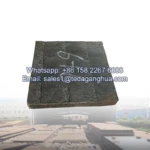
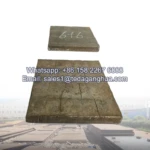
Chromium Carbide Overlay Plate and wear resistant steel plates are both designed for wear protection but serve different engineering needs. CCO plates provide extreme abrasion resistance due to their hard chromium carbide surface, making them ideal for high-wear, low-impact environments. Wear resistant steel plates, mặt khác, offer a more balanced combination of hardness and toughness, making them suitable for applications involving both impact and abrasion.
- Sự miêu tả
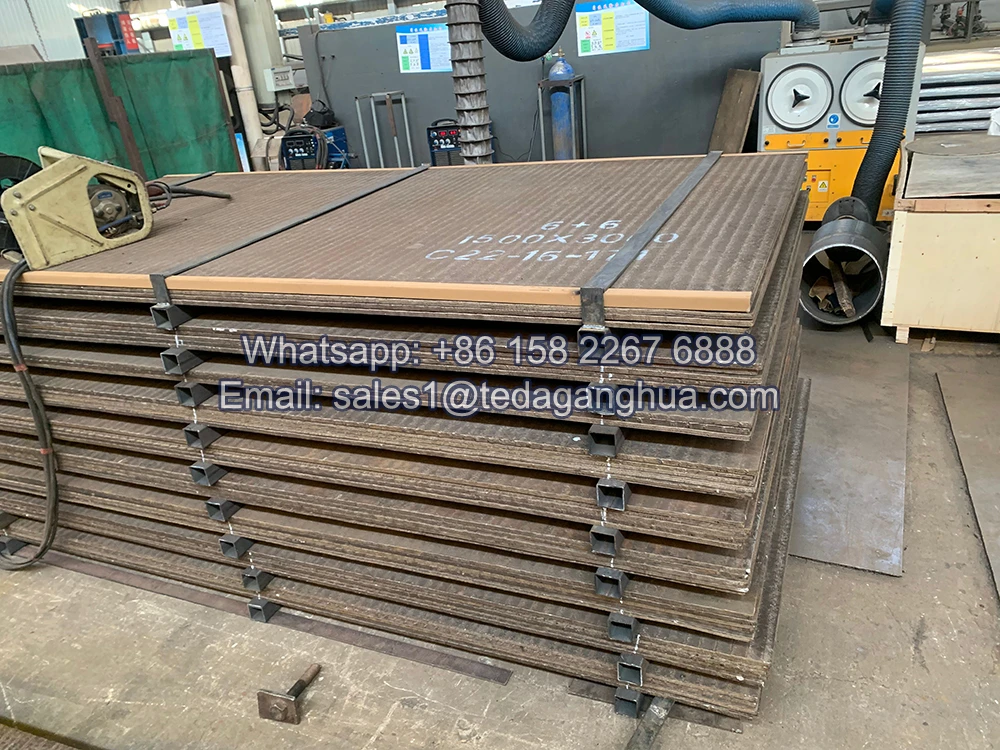
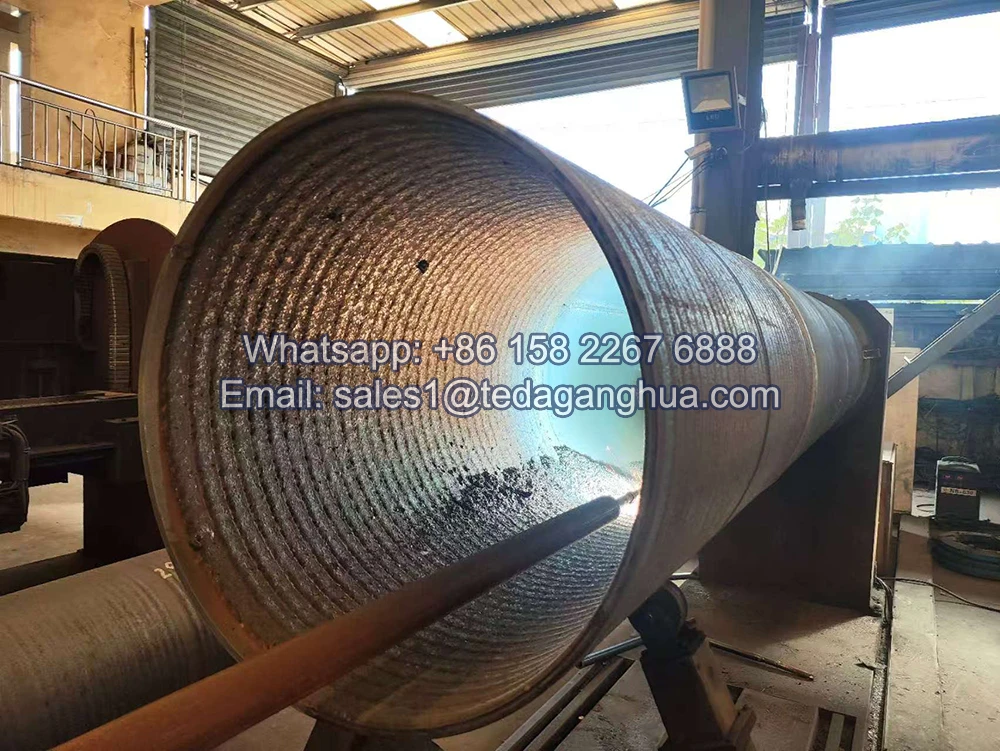
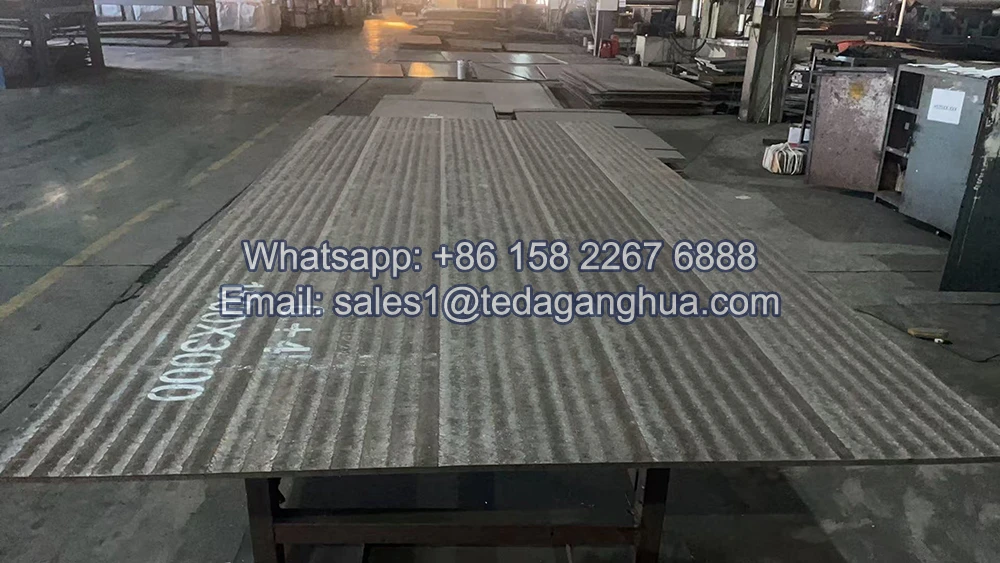
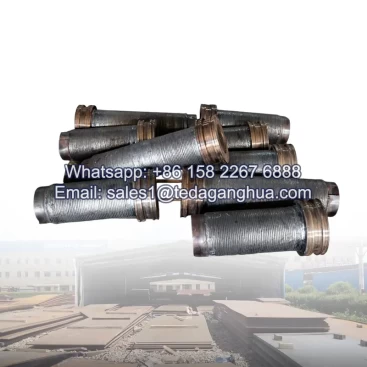
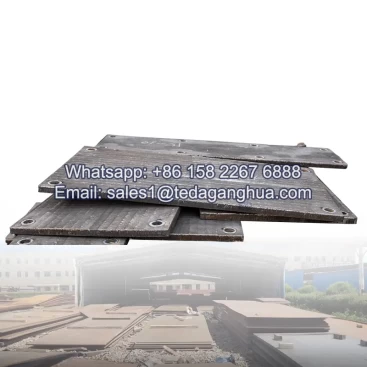
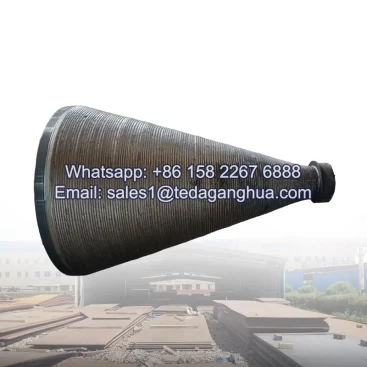
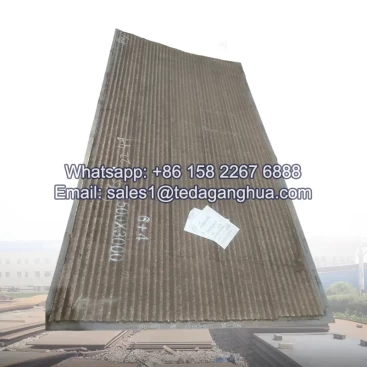
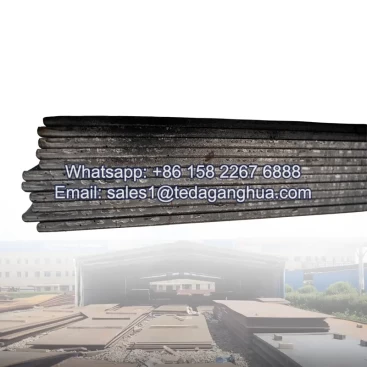
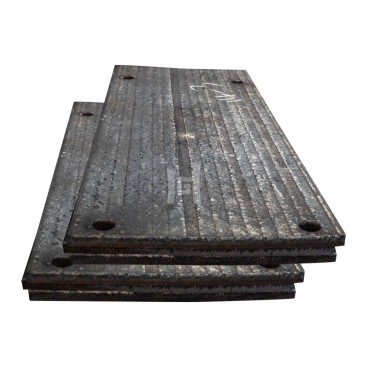
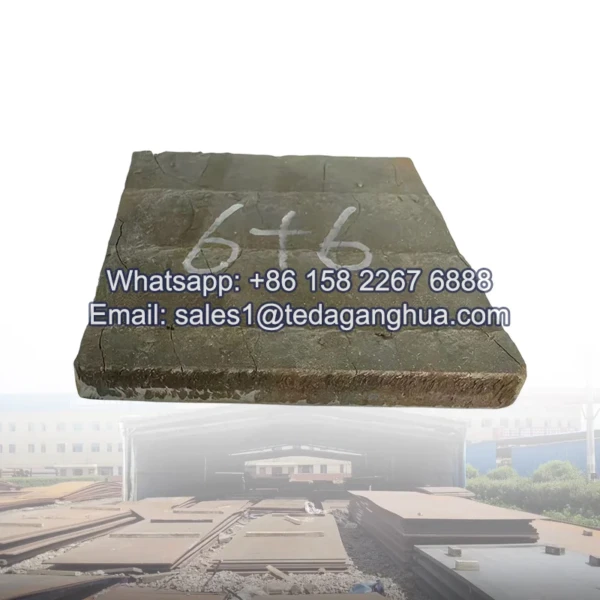
Tấm lớp phủ crom cacbua (Tấm CCO) is a composite wear-resistant material produced by welding a high-chromium carbide alloy layer onto a steel base plate. Nó được sử dụng rộng rãi trong môi trường mài mòn nặng như khai thác mỏ, nhà máy xi măng, trạm điện, và hệ thống xử lý vật liệu số lượng lớn.
A common technical question in industry applications is the difference between Chromium Carbide Overlay Plate and traditional wear-resistant steel plates.
Material Structure Difference
Tấm lớp phủ crom cacbua (Tấm CCO)
CCO plate is a bimetallic composite material:
- Lớp trên cùng: High-hardness chromium carbide alloy (lớp phủ mối hàn)
- Lớp nền: Mild steel or low-carbon steel
Hai lớp được liên kết bằng kim loại.
Tấm thép chống mài mòn (Thép AR)
Thép chịu mài mòn (chẳng hạn như AR400, AR500, loạt NM) là:
- MỘT single homogeneous alloy steel
- Hardness is achieved through quenching and tempering
- No separate overlay layer
Composition and Hardness Comparison
| Tài sản | Tấm CCO | Thép chống mài mòn |
|---|---|---|
| Loại vật liệu | tổng hợp (lớp phủ + căn cứ) | Homogeneous steel |
| Main Alloying Element | High Chromium + Cacbon | Cacbon + Mangan + boron |
| độ cứng | 55–65 HRC (lớp bề mặt) | 360–550 HB |
| Kết cấu | Hard surface + cơ sở cứng rắn | Uniform hardness throughout |
| Chống mài mòn | Cực kỳ cao | Cao |
Cơ chế chống mài mòn
Tấm lớp phủ crom cacbua
The wear resistance comes from:
- Hard chromium carbide particles (Cr₇C₃, Cr₂₃C₆)
- Extremely hard surface layer
- Resistance to cutting, mài, và mài mòn
Thép chống mài mòn
Khả năng chống mài mòn đạt được thông qua:
- Cấu trúc vi mô Martensitic
- Overall hardness of the entire plate
- Cân bằng độ dẻo dai và chống mài mòn
So sánh khả năng chống va đập
| Tài sản | Tấm CCO | Thép chống mài mòn |
| Chống va đập | Trung bình | Cao |
| Chống nứt | Lower under heavy impact | Tốt hơn |
| Hấp thụ sốc | Base steel only | Whole plate supports load |
Wear resistant steel performs better in high-impact conditions, while CCO plate is optimized for high abrasion environments.
Service Life Performance
- Tấm CCO: Longer service life in severe abrasion conditions such as sliding wear and particle erosion
- Thép chống mài mòn: More balanced performance in mixed impact and abrasion conditions
Typical Applications Comparison
Chromium Carbide Overlay Plate Applications
- Cement chutes and liners
- Mining conveyor systems
- Thiết bị xử lý than
- Hệ thống tro nhà máy điện
- lót máy nghiền
- Heavy abrasion transfer points
Wear Resistant Steel Applications
- Gầu máy xúc
- Thân xe tải tự đổ
- Lưỡi máy xúc
- Structural wear components
- Mining equipment subjected to impact loads
Processing and Fabrication Difference
| Quá trình | Tấm CCO | Thép chống mài mòn |
| Cắt | Khó (lớp bề mặt cứng) | Dễ dàng hơn |
| hàn | Requires special procedure | Standard welding possible |
| hình thành | Limited flexibility | Khả năng định hình tốt |
| Gia công | Rất khó khăn | Relatively easier |