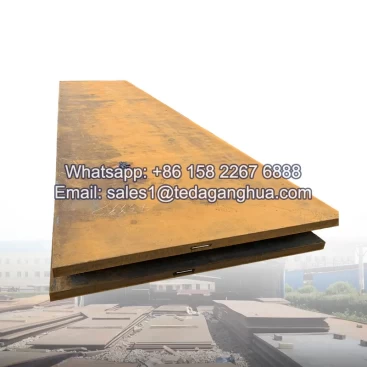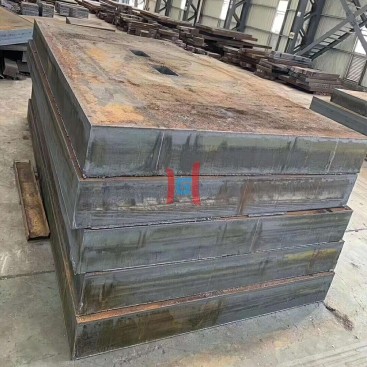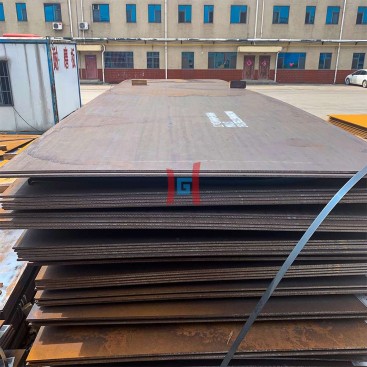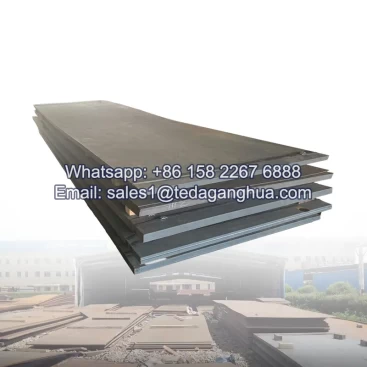
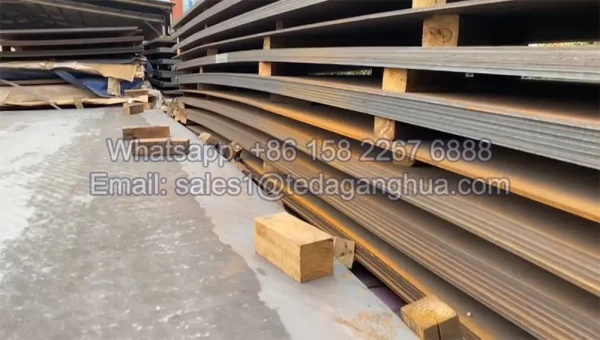
Thép không gỉ chống mài mòn
Wear resistant stainless steel and wear resistant steel serve different industrial purposes.
-
Wear resistant stainless steel provides a balanced solution for corrosion and wear environments.
-
Thép chịu mài mòn (AR plate) được tối ưu hóa cho extreme abrasion and heavy mechanical wear.
Selecting the correct material depends on operating conditions, tiếp xúc với môi trường, and required service life. Proper evaluation of wear type and corrosion risk ensures optimal long-term performance and cost efficiency.
- Sự miêu tả
Wear resistant stainless steel is a type of stainless steel specifically engineered to combine chống ăn mòn with enhanced khả năng chống mài mòn. Unlike conventional stainless grades that focus primarily on corrosion performance, wear resistant stainless steel is designed to withstand mechanical wear such as sliding friction, xói mòn, and moderate impact.
This type of material is typically used in environments where both:
-
Corrosive media (độ ẩm, hóa chất, salt, food processing fluids), Và
-
Abrasive particles (cát, powder, bùn, ore fines)
are present simultaneously.
Wear resistant stainless steel achieves improved performance through:
-
Higher carbon content (in martensitic types)
-
Alloying elements such as chromium (Cr), molypden (Mo), vanadi (V.), or nitrogen (N)
-
Heat treatment processes (quenching and tempering for martensitic grades)
-
Work hardening mechanisms (in certain austenitic grades)
Types of Wear Resistant Stainless Steel
1. Martensitic Wear Resistant Stainless Steel
-
High hardness after heat treatment
-
Moderate corrosion resistance
-
Good strength and wear resistance
Typical uses:
-
Industrial blades
-
Pump components
-
Van
-
Mechanical wear parts
2. Austenitic Work-Hardening Stainless Steel
-
Lower initial hardness
-
Hardens under impact and deformation
-
Chống ăn mòn tốt
Được sử dụng trong:
-
Hệ thống bùn
-
Impact-prone wear environments
3. Thép không gỉ song công (Mặc + Corrosion Balance)
-
Higher strength than austenitic grades
-
Better chloride corrosion resistance
-
Chống mài mòn vừa phải
Thích hợp cho:
-
Offshore equipment
-
Chemical processing
-
Marine wear components
What Is Wear Resistant Steel?
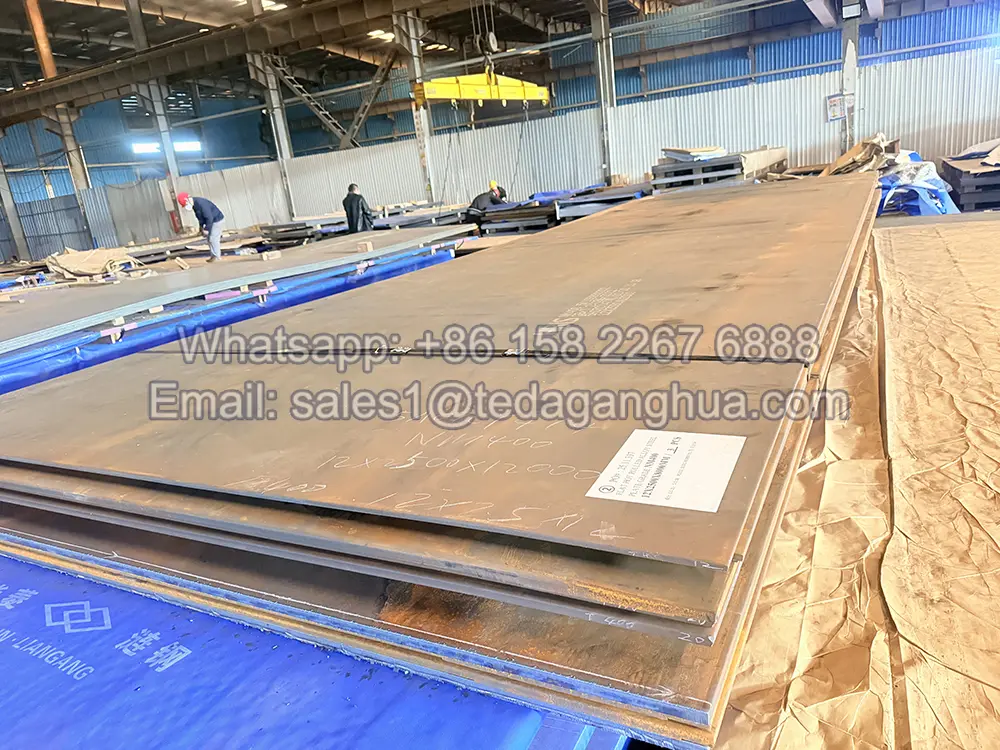
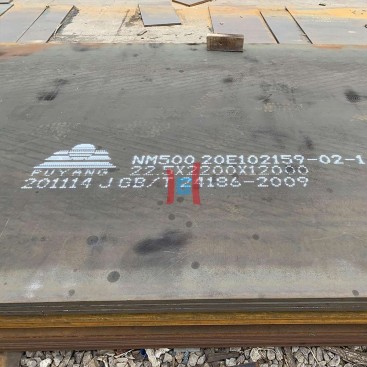
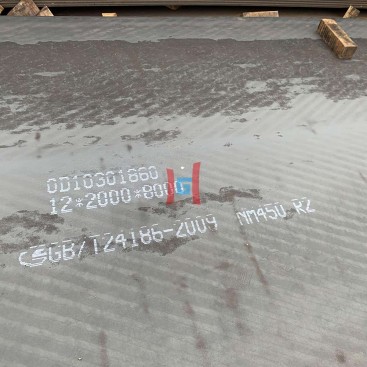
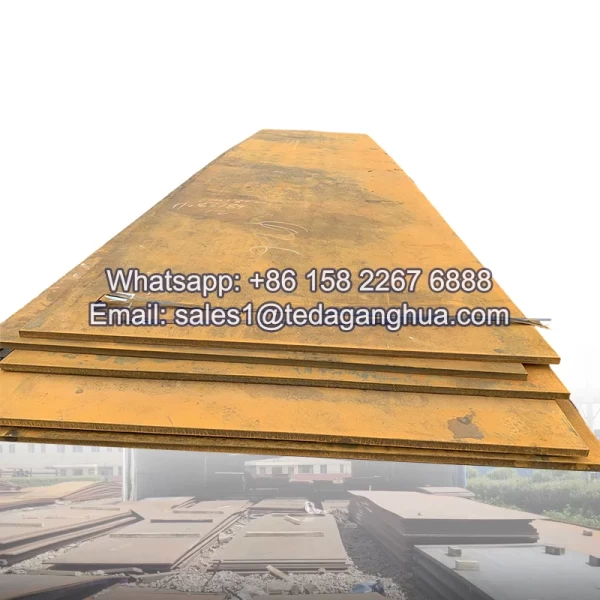
Thép chịu mài mòn (thép AR) refers to high-hardness carbon or low-alloy steels designed primarily for abrasion resistance. These steels are typically quenched and tempered to achieve a martensitic microstructure with hardness levels commonly ranging from 360 HBW to 600+ HBW.
Chúng được sử dụng rộng rãi trong:
-
Thiết bị khai thác mỏ
-
Máy móc xây dựng
-
lót máy nghiền
-
Thân xe tải tự đổ
-
Nhà máy xi măng
The main focus of wear steel is khả năng chống mài mòn tối đa, not corrosion resistance.
Key Differences Between Wear Resistant Stainless Steel and Wear Steel
| Mục so sánh | Thép không gỉ chống mài mòn | Thép chống mài mòn (Thép AR) |
|---|---|---|
| Primary Function | Ăn mòn + chống mài mòn | Khả năng chống mài mòn cao |
| Chống ăn mòn | Tốt đến xuất sắc | Thấp (requires coating or painting) |
| Phạm vi độ cứng | Trung bình đến cao (thay đổi theo loại) | High to ultra-high (360–600+ HBW) |
| Alloy Content | Crom cao (≥10.5%), often Mo, TRONG | Lower alloy content, mainly C, Mn, Cr |
| Xử lý nhiệt | Thường được yêu cầu (martensitic types) | Quenched and tempered |
| Mức chi phí | Generally higher | Generally lower |
| Typical Industries | Food, hóa chất, marine, slurry systems | Khai thác mỏ, sự thi công, heavy industry |
Performance Mechanism Differences
Thép chống mài mòn (Thép AR)
-
Relies mainly on high hardness to resist material removal
-
Best for dry, high-abrasion environments
-
Not suitable for corrosive conditions without protection
Thép không gỉ chống mài mòn
-
Combines hardness with corrosion resistance
-
Suitable for wet abrasion or chemical exposure
-
Better for environments with slurry, saltwater, or chemicals
Application Selection Guidelines
Choose wear resistant stainless steel when:
-
Abrasion occurs in corrosive or humid environments
-
Hygiene requirements exist (food or pharmaceutical industries)
-
Có tiếp xúc với hóa chất hoặc nước mặn
Chọn thép chịu mài mòn (thép AR) khi:
-
Sự mài mòn nghiêm trọng và khô
-
Tải trọng tác động cao
-
Ăn mòn không phải là mối quan tâm lớn
-
Hiệu quả chi phí là rất quan trọng