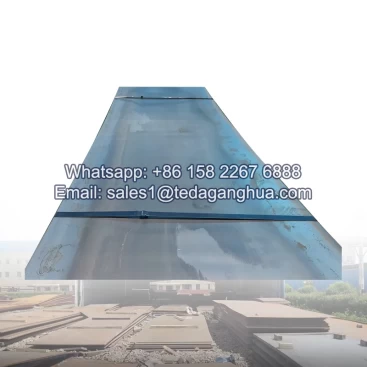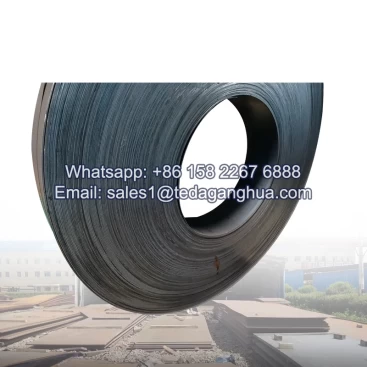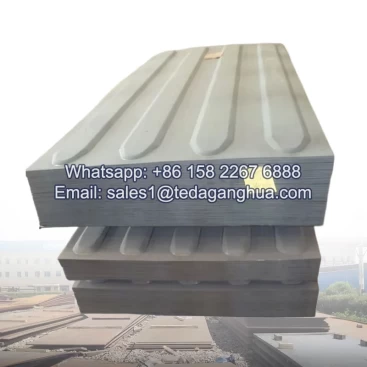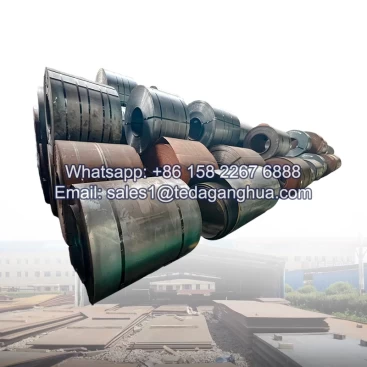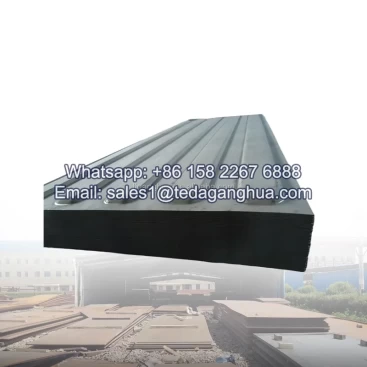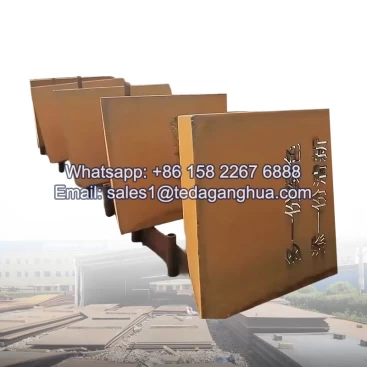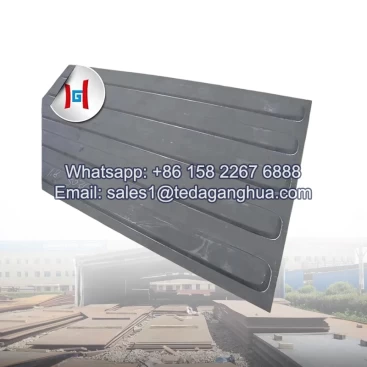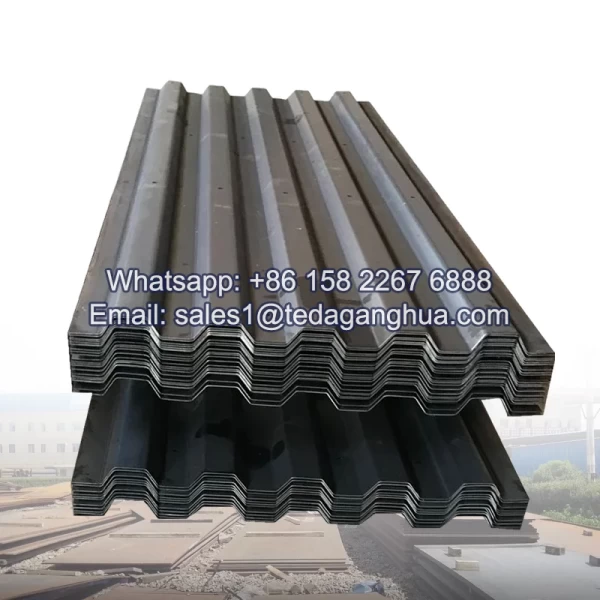
耐候钢屋顶板
Corten steel roof panels are widely used beyond container and garden applications because they combine structural strength, 耐候性, and low maintenance performance. The key reason corten steel is suitable for roofing is its ability to form a stable protective rust layer that prevents deep corrosion. 此外, its high stiffness, easy forming into roofing profiles, and unique architectural appearance make it an ideal material for modern industrial and architectural roof systems.
- 描述
Corten steel roof panels are weathering steel sheets designed for roofing systems in industrial buildings, 建筑项目, and landscape structures. While corten steel is commonly known for shipping container panels and garden landscaping products, it is also widely used in roofing because of its durability, 结构强度, and long-term weather resistance.
Corten roof panels are typically formed into corrugated or trapezoidal profiles, which improve stiffness and water drainage performance.
Why Corten Steel Can Be Used for Roof Panels
Corten steel is suitable for roofing applications mainly because it forms a 稳定的保护锈层 当暴露于室外环境时. This layer significantly reduces further corrosion and provides long service life without coating in many conditions.
与普通碳钢不同, corten steel does not require continuous painting maintenance, making it a cost-effective solution for large roof areas.
Key Reasons for Using Corten Steel in Roofing
1. 优异的耐大气腐蚀性能
Roof panels are constantly exposed to:
- Rainwater
- UV radiation
- 温度变化
- Wind exposure
Corten steel develops a dense oxide patina that prevents moisture and oxygen from penetrating deeper into the steel, which slows down corrosion significantly.
2. High Structural Strength for Roof Loads
Corten steel roof panels maintain strong mechanical properties:
- Good tensile strength
- High stiffness after corrugation forming
- Resistance to deformation under wind load
This makes them suitable for:
- Large-span industrial roofs
- Warehouse roofing systems
- Agricultural buildings
- Architectural façades with roof integration
3. Self-Protecting Surface Layer (No Paint Required)
One of the biggest advantages of corten roofing is that:
- No painting system is required
- No frequent recoating maintenance
- Surface rust becomes the protective layer
This reduces long-term maintenance cost compared with galvanized or painted steel roofing systems.
4. Architectural Aesthetic Value
Corten steel roofs develop a natural rust-brown color that changes over time:
- 早期: dark gray steel
- 过渡阶段: orange rust
- 稳定阶段: deep brown patina
This makes it popular in modern architecture, especially for:
- Industrial-style buildings
- Cultural buildings and museums
- Landscape-integrated structures
- Minimalist architectural design
5. Good Compatibility with Roofing Profiles
Corten steel can be easily formed into roofing profiles such as:
- Corrugated sheets
- Trapezoidal panels
- Standing seam roofing systems
These profiles improve:
- 排水效率
- Structural rigidity
- 抗风能力
Typical Thickness for Corten Roof Panels
| 厚度 | 应用 |
|---|---|
| 0.8–1.2 mm | Light architectural roofing |
| 1.2–1.6毫米 | Standard roof cladding |
| 1.6–2.0 mm | Industrial roofing systems |
Roof panels are usually thinner than container or structural panels because they are designed for covering rather than load-bearing.
Important Considerations for Roofing Use
Although corten steel is highly durable, roofing applications require proper design conditions:
- Good drainage system is necessary
- Avoid water accumulation on the surface
- Not recommended for constantly humid or coastal splash zones
- Proper ventilation helps stabilize rust formation
In suitable environments, the protective patina becomes stable and long-lasting.
Corten Roof Panels vs Traditional Roofing Materials
| 财产 | 耐候钢 | 镀锌钢 | Painted Steel |
|---|---|---|---|
| 腐蚀防护 | 天然锈铜绿 | Zinc coating | Surface paint |
| 维护 | 低的 | 低-中 | Medium–high |
| 外貌 | Industrial rust aesthetic | Metallic silver | Color coating |
| Service life | 长的 (environment dependent) | 长的 | 中等的 |