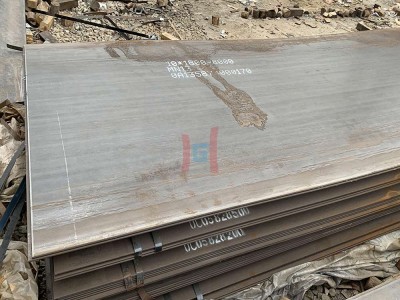
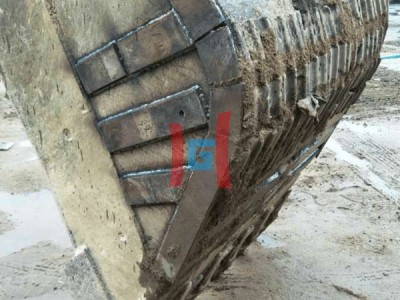
لوحات فولاذية مقاومة للارتداء لظروف التآكل الثقيلة
ألواح فولاذية مقاومة للتآكل
ملخص
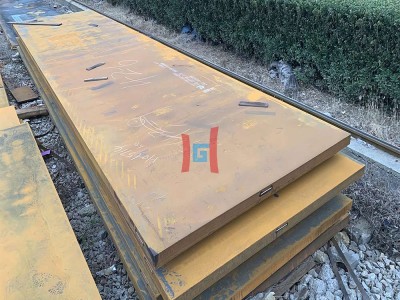
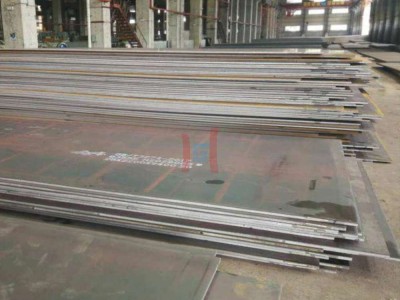
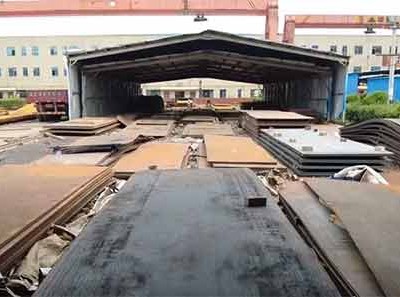
Wear-resistant steel plates are used where heavy wear and damage often occur. هذه الألواح مصنوعة من قاعدة قوية وطبقة سطحية متينة.
Composition and Structure
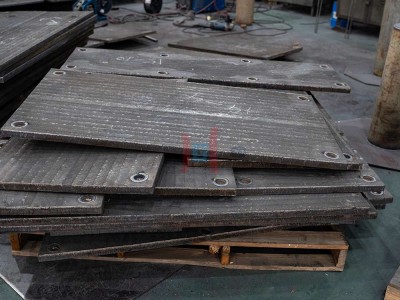
Wear-resistant plates are made from two layers:
-
الطبقة الأساسية (ألواح الصلب المدرفلة على البارد):
يستخدم للقوة ومقاومة الانحناء. -
الطبقة السطحية (سبائك الألومنيوم):
يوفر مقاومة عالية للتآكل.
🔹 Usually, the alloy layer is 1/3 ل 1/2 of the total thickness.
🔹 The layers are joined by special welding machines.
🔹 One to three alloy layers may be stacked.
🔹 Small horizontal cracks often form due to shrinking. These are normal and expected.
Alloy Components
The alloy layer contains:
-
الكوبالت (main element)
-
المنغنيز
-
الموليبدينوم
-
Niobium
-
النيكل
These elements form cementite fibers that run straight from the surface down.
Even at 500℃, the layer stays strong and resists rust.
Types of Plates
Wear-resistant plates are divided into three main types:
-
General-Purpose:
Used in many industries. -
Impact-Resistant:
Made for high-impact situations. -
مقاومة للحرارة:
Handles high temperatures well.
التطبيقات المشتركة
These plates are widely used in:
-
Steel and metal factories
-
Coal processing
-
محطات توليد الطاقة
-
Concrete mixing
-
Mining and construction
-
Glass and brick kilns
They are often chosen because they cost less over time than many other materials.
نموذج ملخص
| Section | تفاصيل |
|---|---|
| الاستخدام الرئيسي | Heavy wear conditions |
| بناء | Cold-rolled steel base + aluminum alloy surface |
| Alloy Thickness | 1/3 ل 1/2 of total plate thickness |
| طريقة الترابط | Automatic welding, layered joining |
| Visible Features | Horizontal cracks from shrinkage |
| العناصر الرئيسية | الكوبالت, من, شهر, ملحوظة, في |
| مقاومة الحرارة | Up to 500℃ |
| Plate Types | General, Impact-Resistant, مقاومة للحرارة |
| Industries Used In | التعدين, علم المعادن, الفحم, قوة, concrete, brick kilns, glass, بناء |
| المزايا | Long life, قوة عالية, good cost-performance |