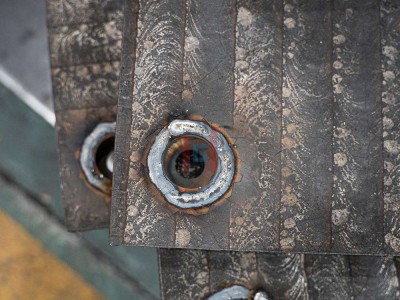

Anwendungen von verschleißfesten Verbundstahlplatten mit Unterpulverlichtbogen
Process Characteristics and Applications of Submerged Arc Wear-Resistant Composite Steel Plate
Einführung
Submerged arc cladding is a widely used method in the production of wear-resistant composite steel plates. Dieses Verfahren bietet mehrere Vorteile, Damit eignet es sich ideal für die Herstellung dauerhafter Oberflächen auf großen Werkstücken.
Hauptmerkmale
- Hohe Produktionsrate: Submerged arc cladding uses large currents, typically between 300-500A and sometimes up to 900A. Dies ermöglicht eine hohe Abscheidegeschwindigkeit, increasing production efficiency.
- Automation and Quality: Der Prozess ist stark mechanisiert und automatisiert, resulting in a stable, aesthetically pleasing cladding layer with minimal defects like pores or slag inclusions. The skill level required for operators is relatively low, yet the wear resistance of the produced composite steel plate is excellent.
- Safety and Cleanliness: Since the arc is fully covered by flux, there is no spatter, reducing the need for cleaning. Zusätzlich, es gibt keine Lichtbogenstrahlung, so operators do not require special protective measures.
- Einschränkungen der Ausrüstung: The equipment used in this process is large and not easily portable. The flux must be dried and stored properly before use, was die Verkleidung vor Ort zu einer Herausforderung macht.
- Heat Management: Submerged arc cladding transmits more heat to the workpiece than other arc welding methods, leading to a higher dilution rate. Typischerweise, 2-3 layers are needed to achieve the desired performance. The high thermal gradient can cause cracking, so preheating and slow cooling are often necessary. Jedoch, if the preheating temperature exceeds 315°C, it can make slag removal difficult.
- Positional Suitability: Due to the large molten pool, this method is best suited for horizontal position surfacing, particularly on cylindrical and large flat workpieces. It is not ideal for small parts.
Anwendungen
Submerged arc surfacing is primarily used for iron-based materials. It is commonly applied to:
- Surfacing corrosion-resistant layers on the inner walls of large-diameter containers.
- Adding wear-resistant layers to rolling mill rollers.
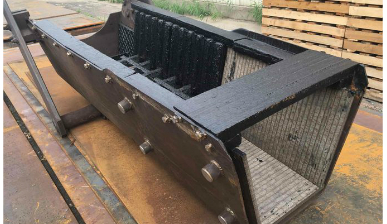
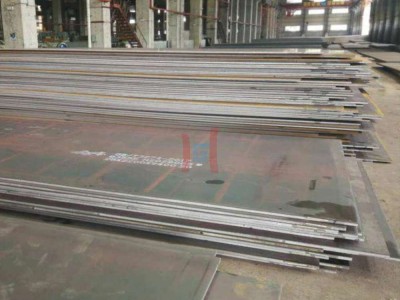
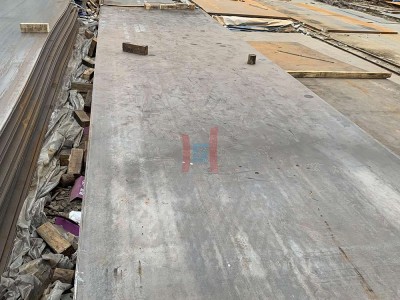
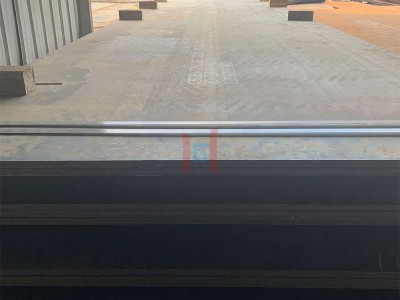
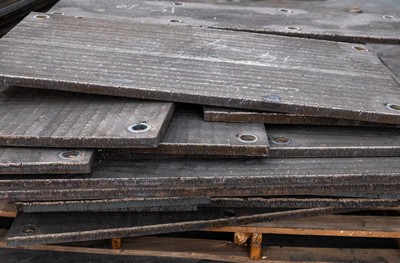
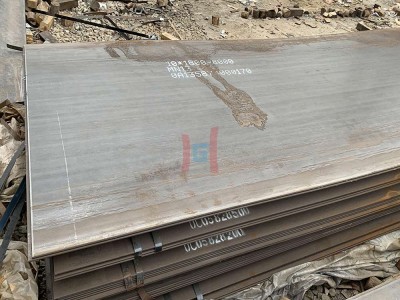
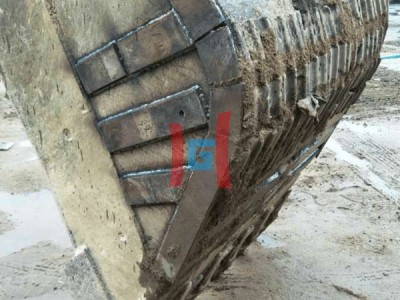
This method is also the main technique for manufacturing wear-resistant composite steel plates.
Abschluss
Submerged arc cladding is an efficient and reliable process, especially for large-scale applications requiring wear resistance. Its high production rate, automation, and safety features make it a preferred choice, despite its equipment and heat management challenges.