- Beschreibung
Hartmetall-Überzugsplatte: Wear Resistance Comparison with Wear Steel and High Manganese Steel
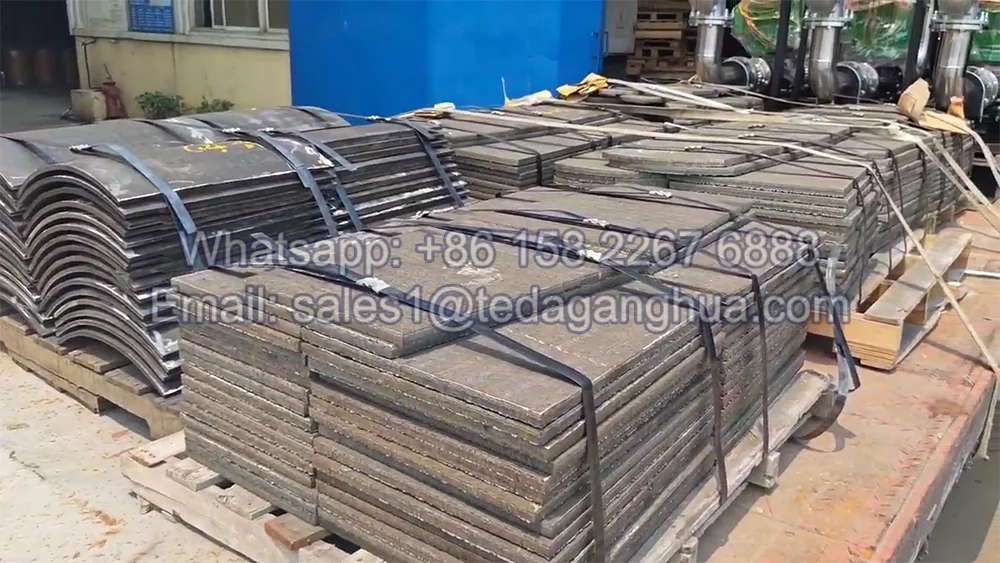
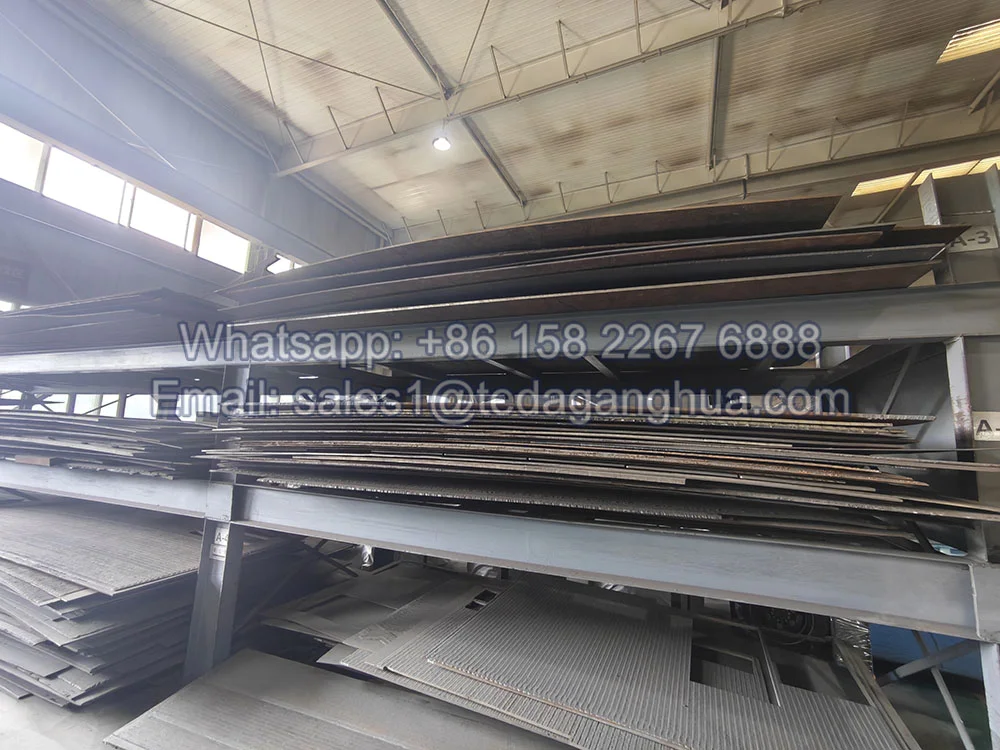
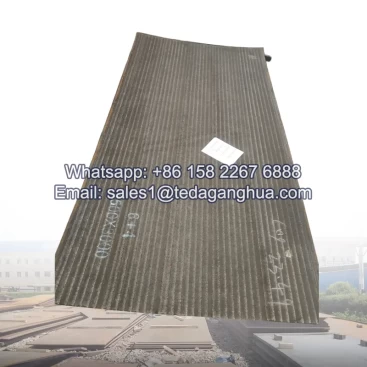
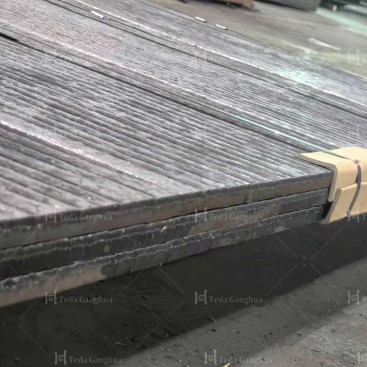
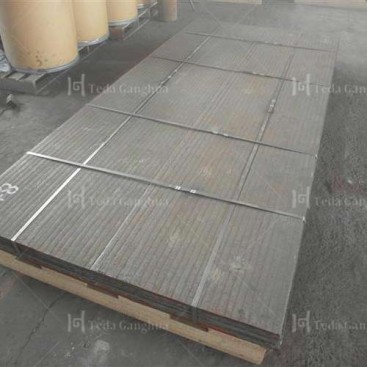
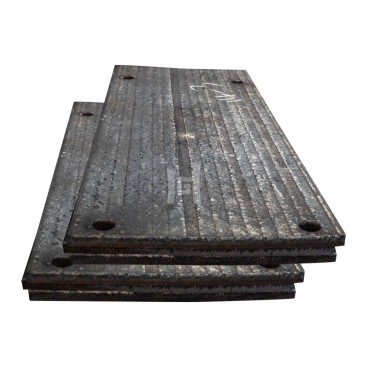
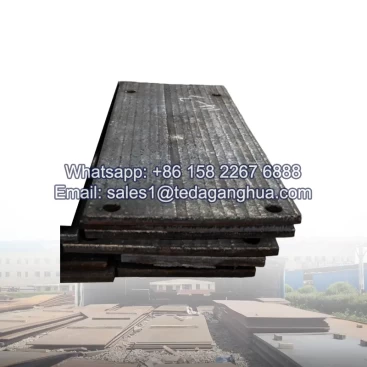
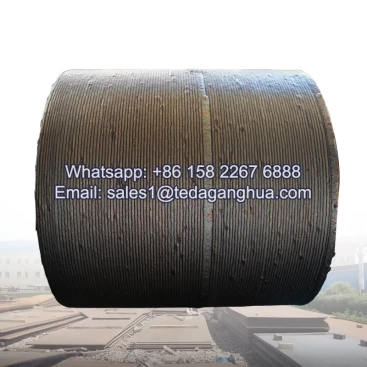
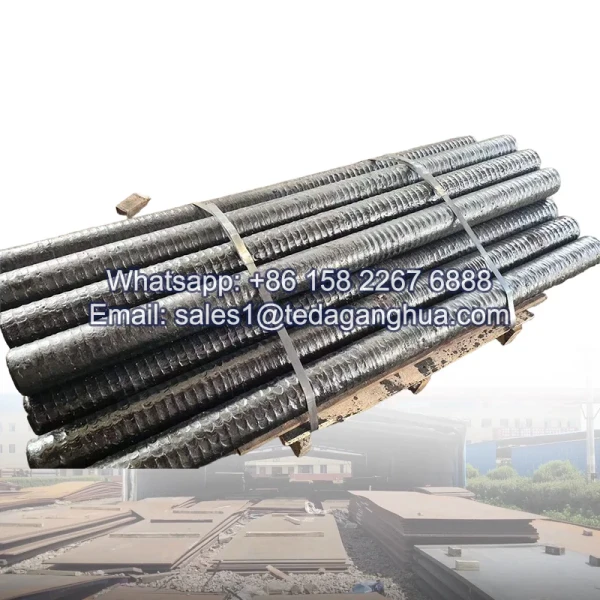
Carbide overlay plate is a composite wear-resistant steel plate produced by depositing a high-hardness carbide-rich layer (mainly chromium carbide or complex carbides) onto a carbon steel or low-alloy steel base. It is widely used in severe abrasion environments such as mining, Zement, Stromerzeugung, und Schüttguthandling.
To understand its performance advantage, it is commonly compared with traditional wear-resistant steel plates (such as NM400/NM500) and high manganese steel (Mn13). These three materials represent different wear protection mechanisms and hardness levels.
1. Härtevergleich
| Material | Härtegrad | Surface Characteristics |
|---|---|---|
| Carbide overlay plate | HRC 58–65 (bis zu 70+ with tungsten carbide) | Extremely hard carbide surface layer |
| Verschleißfester Stahl (NM400/NM500) | HB 400–500 | Uniform hardened steel structure |
| Stahl mit hohem Mangangehalt (Mn13) | HB 180–220 (before work hardening) | Soft initially, work hardens under impact |
Carbide overlay plates have the highest initial surface hardness among the three materials.
2. Wear Resistance Mechanism Difference
| Material | Verschleißmechanismus |
|---|---|
| Carbide overlay plate | Hard carbide particles resist abrasion directly |
| Stahl tragen (NM/AR) | Bulk hardness resists impact and wear |
| Stahl mit hohem Mangangehalt | Surface becomes harder under repeated impact (Kaltverfestigung) |
Each material is optimized for different wear conditions rather than competing directly.
3. Performance in Different Working Conditions
| Zustand | Best Material |
|---|---|
| High sliding abrasion (Kohle, Zement, Erz) | Carbide overlay plate |
| Gemischte Wirkung + Abrieb | Verschleißfester Stahl (NM400/NM500) |
| Starke Wirkung (Brecher, Hämmern) | Stahl mit hohem Mangangehalt |
4. Key Difference in Hardness Behavior
- Carbide overlay plate: High hardness from the start (stabile Verschleißfestigkeit)
- Stahl tragen: Ausgewogene Härte und Zähigkeit
- Stahl mit hohem Mangangehalt: Low initial hardness but increases under impact
5. Lebensdauervergleich
- Carbide overlay plate: Longest life in abrasive sliding conditions
- Stahl tragen: Stable life in mixed wear conditions
- Stahl mit hohem Mangangehalt: Best in repeated impact environments
Service life depends heavily on correct material selection for the working condition.
6. Why Carbide Overlay Plate Performs Better in Abrasion
- Extremely hard chromium carbide particles (HRC 58–65)
- Dense wear-resistant surface structure
- Low material loss under particle erosion
7. Teda Ganghua Carbide Overlay Plate Supply Capability
Als professioneller Lieferant von verschleißfestem Stahl, Teda Ganghua provides carbide overlay plates and other wear-resistant solutions with optimized hardness and alloy design for mining, Zement, Stahl, und Energiewirtschaft.
Wir unterstützen den individuellen Zuschnitt, Herstellung, and full wear system design based on real application conditions.
Entdecken Sie hier unsere verschleißfesten Stahlprodukte:
Chrom -Carbid -Overlay -Platte
Abschluss
Carbide overlay plate offers the highest surface hardness and best abrasion resistance compared with wear steel and high manganese steel. Jedoch, each material has its own advantage depending on whether the working condition is abrasion, Auswirkungen, or mixed wear.