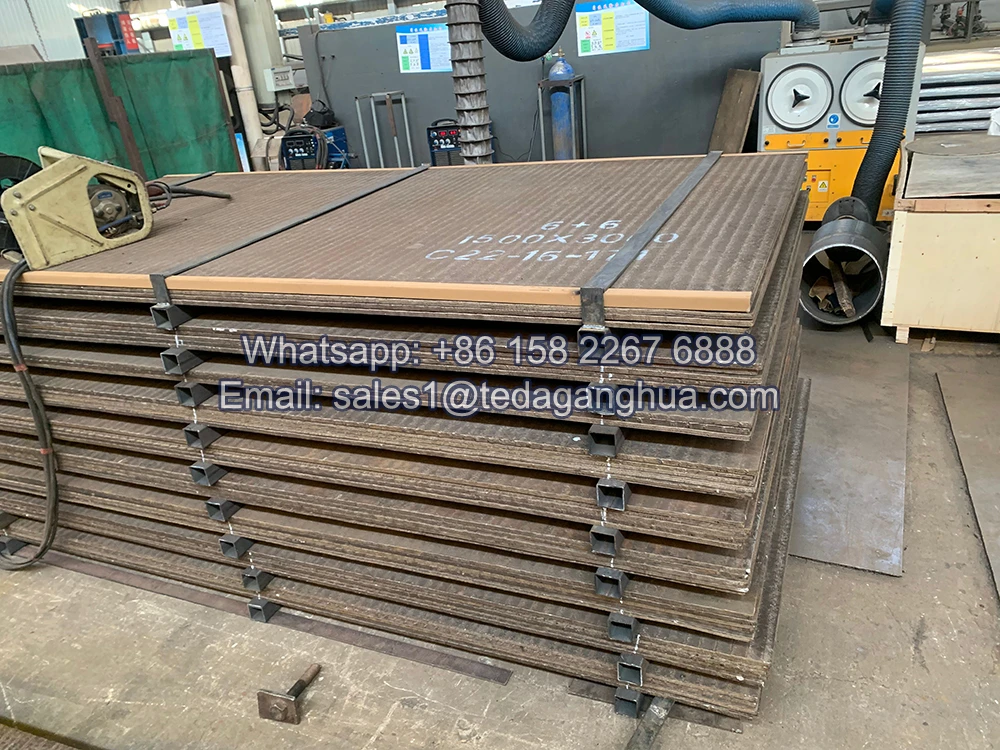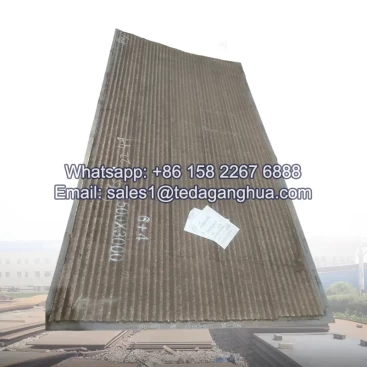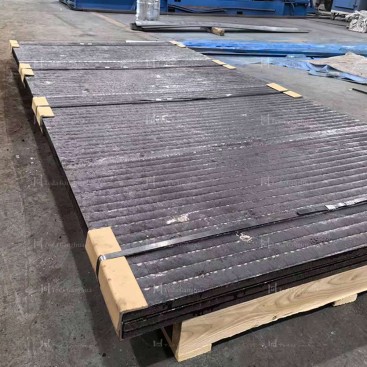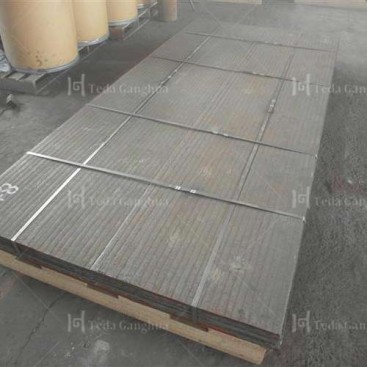
Plaque d'usure plaquée

Clad Wear Plate is a versatile composite material that uses different wear-resistant cladding systems such as chromium carbide, carbure de tungstène, martensitic steel, ceramic composites, and nickel-based alloys. Each material offers different balances of wear resistance, résistance aux chocs, and environmental suitability, allowing engineers to select the most appropriate solution for specific industrial conditions.
- Description
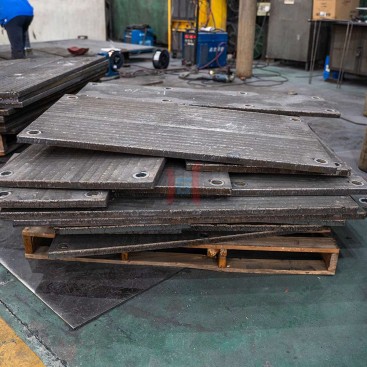
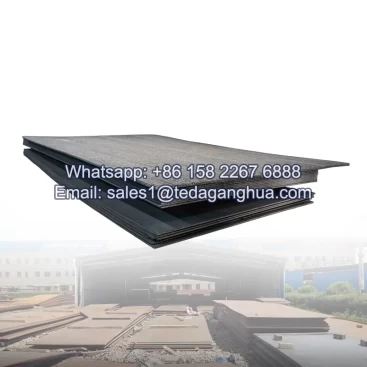
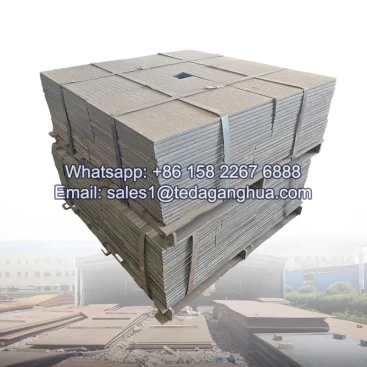
Clad Wear Plate is a composite wear-resistant steel product made by bonding a high-performance wear-resistant layer onto a carbon steel or low-alloy steel base plate. It is designed to combine structural strength with excellent surface wear resistance, making it widely used in mining, ciment, production d'énergie, usines sidérurgiques, et systèmes de manutention de matériaux en vrac.
The performance of clad wear plates depends mainly on the type of wear-resistant cladding material used on the surface layer.
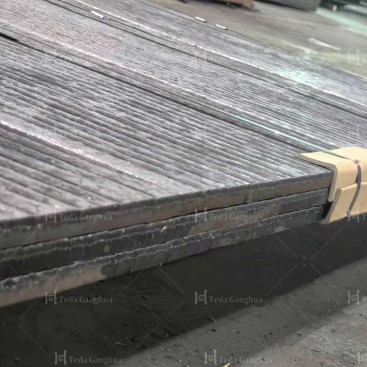
Structure de la plaque d'usure plaquée
A typical clad wear plate consists of two layers:
- Couche de base: Carbon steel or low-alloy steel for strength and toughness
- Cladding Layer: Wear-resistant alloy layer for abrasion and erosion resistance
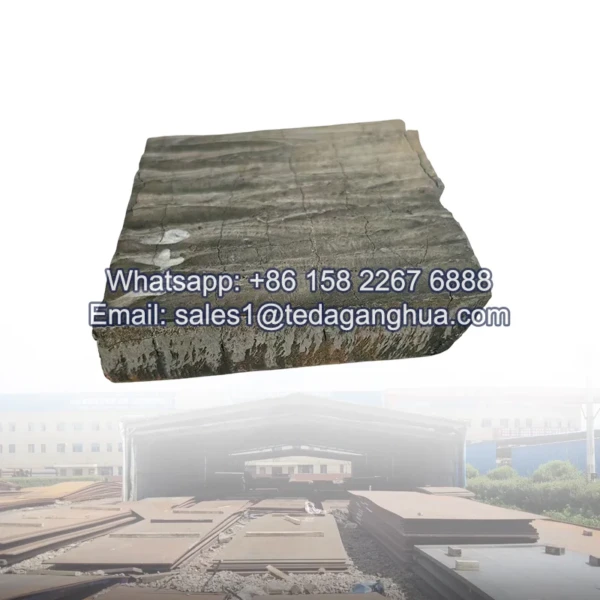
Les deux couches sont liées métallurgiquement, ensuring strong adhesion and long service life under harsh conditions.
Common Wear Resistant Cladding Materials
Different cladding materials are selected based on working conditions such as abrasion, impact, température, and particle size.
1. Recouvrement en carbure de chrome (Chef de la conformité)
This is the most widely used cladding material for wear plates.
- High chromium and carbon content
- Forms hard carbide phases (Cr₇C₃, Cr₂₃C₆)
- Dureté: généralement 55 à 65 HRC
- Excellent resistance to sliding abrasion and particle erosion
Applications typiques: mining liners, chutes à ciment, coal handling systems
2. Tungsten Carbide Composite Layer
A high-end wear-resistant cladding material.
- Contains tungsten carbide (toilettes) particules
- Dureté extrêmement élevée
- Superior abrasion resistance compared to chromium carbide
- Higher cost and specialized use
Applications typiques: extreme wear zones, high-value equipment protection
3. Martensitic Steel Overlay
A tough and wear-resistant cladding system based on alloy steel.
- Martensitic microstructure
- Dureté et ténacité équilibrées
- Bonne résistance aux chocs
- Résistance modérée à l’abrasion
Applications typiques: impact important + porter des environnements
4. Ceramic-Embedded Cladding
A composite system with ceramic particles distributed in a metal matrix.
- Ceramic particles such as alumina or silicon carbide
- Extremely high resistance to particle erosion
- Lower impact resistance compared to metallic overlays
Applications typiques: high-speed particle flow systems, pneumatic conveying
5. Nickel-Based Alloy Cladding
Used in special environments requiring corrosion and wear resistance.
- Excellente résistance à la corrosion
- Good performance at high temperatures
- Moderate wear resistance compared to carbide systems
Applications typiques: chemical industry, high-temperature equipment
Performance Comparison of Cladding Materials
| Cladding Type | Résistance à l'usure | Résistance aux chocs | Résistance à la température | Utilisation typique |
|---|---|---|---|---|
| Carbure de chrome | Très élevé | Moyen | Moyen | General industrial wear |
| Carbure de tungstène | Extrêmement élevé | Medium–Low | Moyen | Zones d'abrasion sévères |
| Acier martensitique | Moyen à élevé | Haut | Moyen | Impact + wear conditions |
| Ceramic Composite | Très élevé | Low–Medium | Haut | Erosion environments |
| Nickel Alloy | Moyen | Moyen | Haut | Corrosive + high-temp use |
Key Performance Features of Clad Wear Plate
- Combines structural strength with surface wear resistance
- Customizable wear layer according to application
- Long service life in harsh industrial environments
- Réduit les coûts de maintenance et de temps d’arrêt
- Suitable for complex fabrication and installation
Applications industrielles typiques
Clad wear plates are widely used in:
- Matériel pour mines et carrières
- Cement production systems
- Coal and ash handling systems
- Steel plant conveyors and chutes
- Power plant wear components
- Systèmes de transfert de matériaux en vrac
- Heavy industrial machinery protection