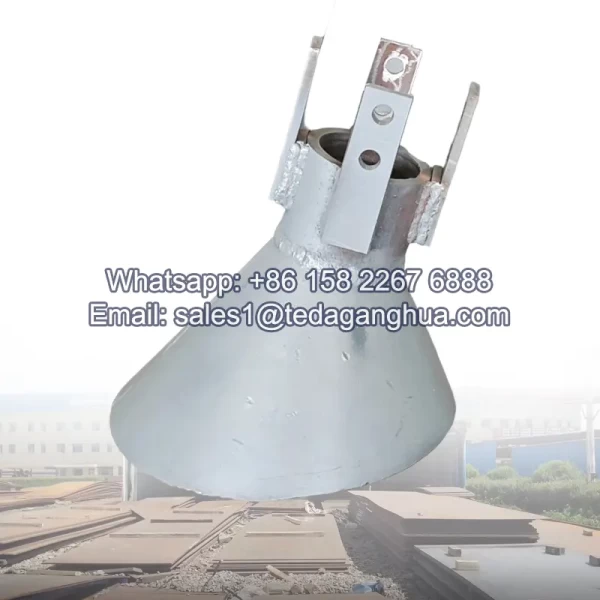
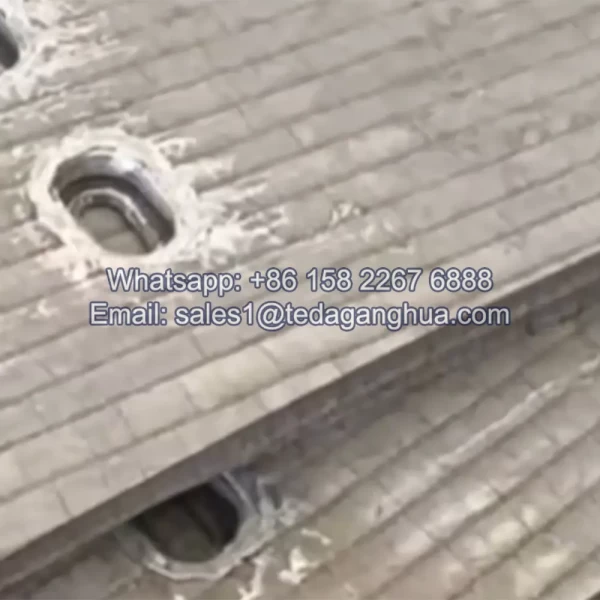
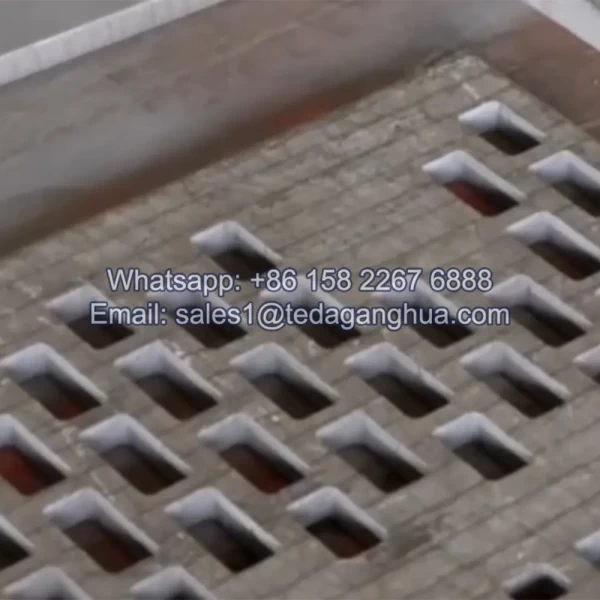
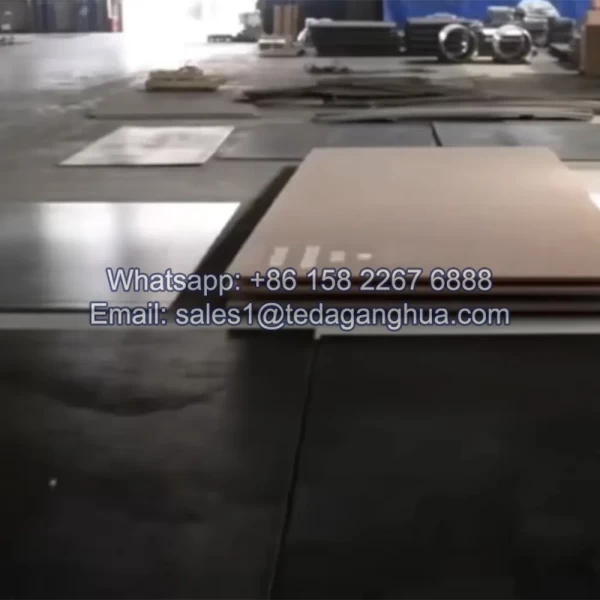
Pipa Lapisan Kromium Karbida

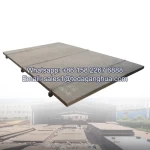
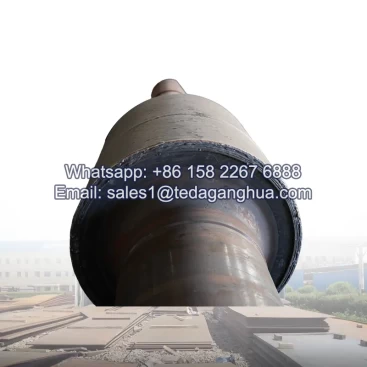
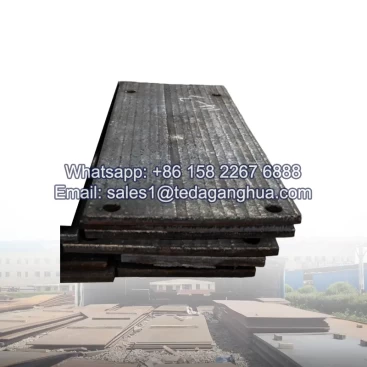
Chromium carbide overlay pipes are welded on the inner wall because that is where the highest wear occurs during operation. The internal cladding method provides the best balance between durability and cost-efficiency, combining the strength of a steel pipe dengan hardness of a carbide alloy. This design ensures reliable performance, longer lifespan, and lower maintenance costs in demanding industrial environments.
- Keterangan
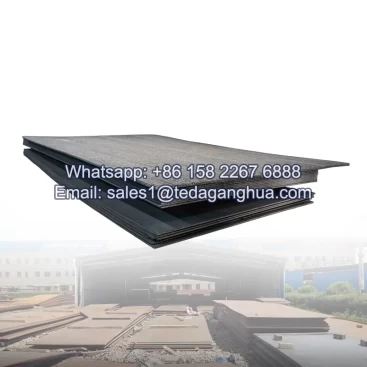
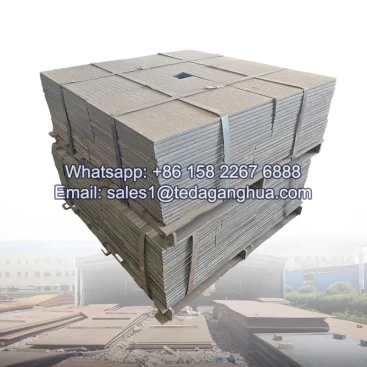
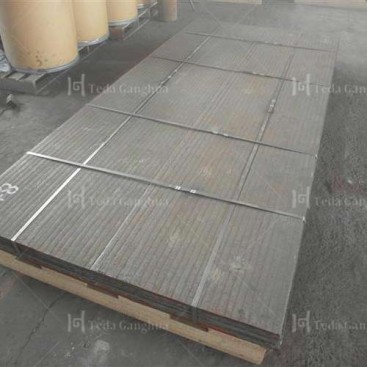
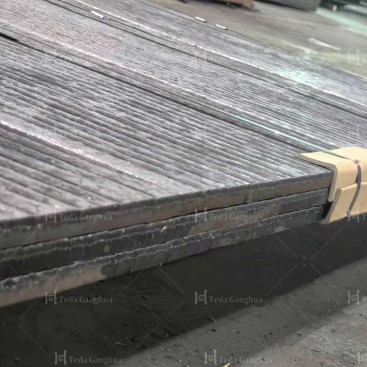
Chromium carbide overlay pipe is a type of wear-resistant pipe designed to handle severe abrasion, erosi, and corrosion in industries such as mining, semen, pembangkit listrik, and petrochemical processing. These pipes are produced by welding a layer of chromium carbide alloy onto a steel base pipe, forming a hard, durable inner surface while maintaining the structural strength of the outer wall.
Why Chromium Carbide Overlay Is Usually Welded on the Inner Wall
Most chromium carbide overlay pipes are welded on the inner wall rather than the outer surface. This design is based on the working conditions of material handling and fluid transport systems. Itu inner surface of the pipe is directly exposed to high-velocity particles, bubur, or gases that cause severe abrasion and erosion. By applying the wear-resistant overlay on the inside, the pipe gains maximum protection where it is most needed.
Itu outer wall, made of mild or low-alloy steel, provides structural strength and welding compatibility for installation, sementara itu inner overlay layer acts as a protective armor against wear. This combination ensures long service life and reduces maintenance frequency compared with ordinary carbon steel or ceramic-lined pipes.
Technical Characteristics of Chromium Carbide Overlay Pipe
| Parameter / Milik | Nilai Khas / Keterangan | Function and Benefit |
|---|---|---|
| Overlay Location | Inside wall of the steel pipe | Protects the surface directly exposed to abrasive media. |
| Overlay Material Composition | Kromium (25–35%) and Carbon (4–6%) hardfacing alloy | Forms dense chromium carbides (Cr₇C₃) for superior wear resistance. |
| Hardness of Overlay Layer | 58–65 HRC | Ensures exceptional abrasion and erosion resistance. |
| Base Pipe Material | Mild steel or alloy steel (Q235 / Q345 / ASTM A106) | Provides high mechanical strength and weldability. |
| Metode Pengelasan | Inside wall overlay (automatic arc or plasma arc welding) | Produces uniform metallurgical bonding and smooth inner surface. |
| Ketebalan Hamparan Khas | 3–6 mm | Adjustable based on service conditions and flow velocity. |
| Service Temperature Range | Hingga 600°C | Suitable for high-temperature or corrosive environments. |
Benefits of Inner Wall Overlay Design
-
Direct protection against abrasion: The overlay layer faces the abrasive flow, minimizing material loss inside the pipe.
-
Masa pakai yang lebih lama: The chromium carbide layer resists erosion far better than standard steel, reducing downtime and replacement costs.
-
Smooth flow channel: Properly welded inner overlays create a uniform surface, minimizing flow turbulence and pressure loss.
-
Structural integrity: The base pipe retains its strength and can be easily welded to flanges, siku, or fittings.
-
Efficient material use: Inner wall welding applies the wear material only where necessary, reducing total material cost.
Aplikasi Umum
-
Slurry and ash pipelines in power plants
-
Ore and sand transport pipelines in mining
-
Pulverized coal ducts and pneumatic conveying systems
-
Cement plant feed and discharge lines
-
Cyclone and classifier return pipes