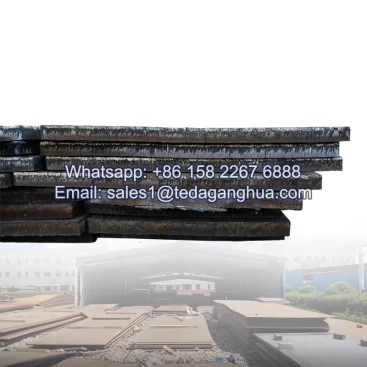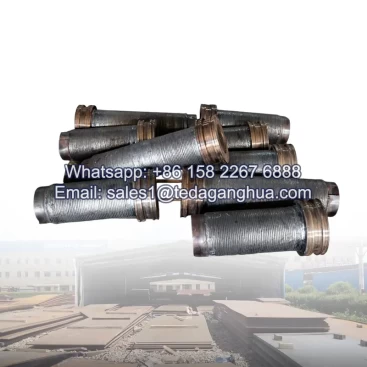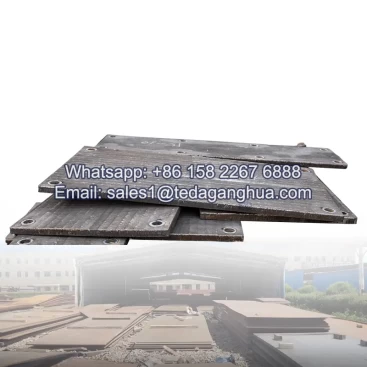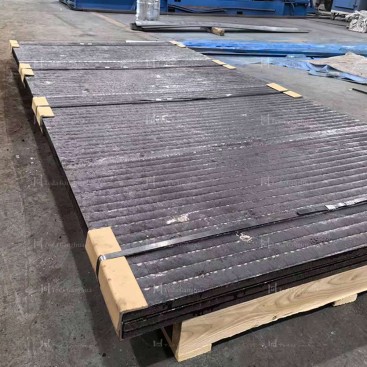
Hamparan Kromium Karbida

Pelat Hamparan Kromium Karbida are the ideal solution for extreme wear and impact environments, menggabungkan hard, lapisan luar tahan aus dengan a dasar baja yang kuat.
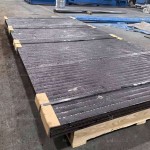
With a range of nilai, ketebalan lapisan atas, and plate sizes, CCO plates can be disesuaikan to meet the demands of mining, semen, kekuatan, dan industri penanganan material.

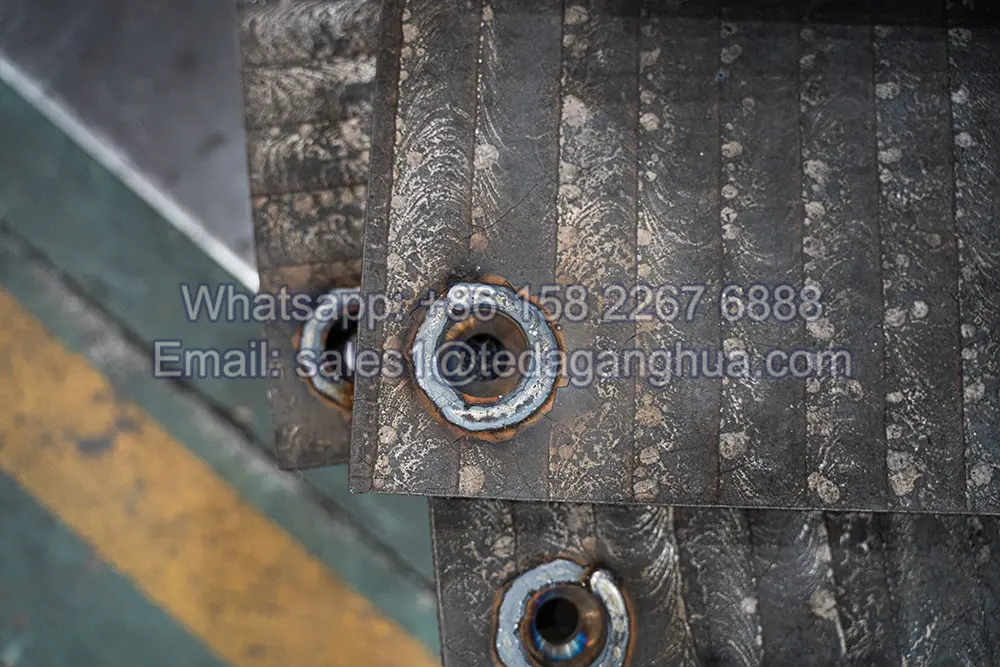
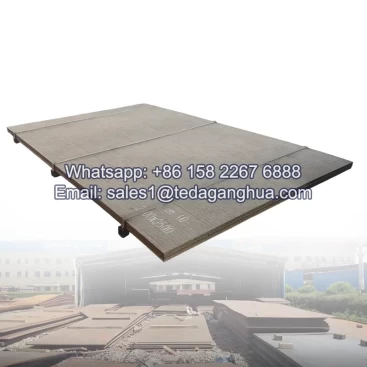
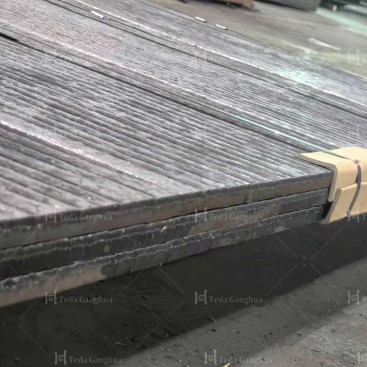
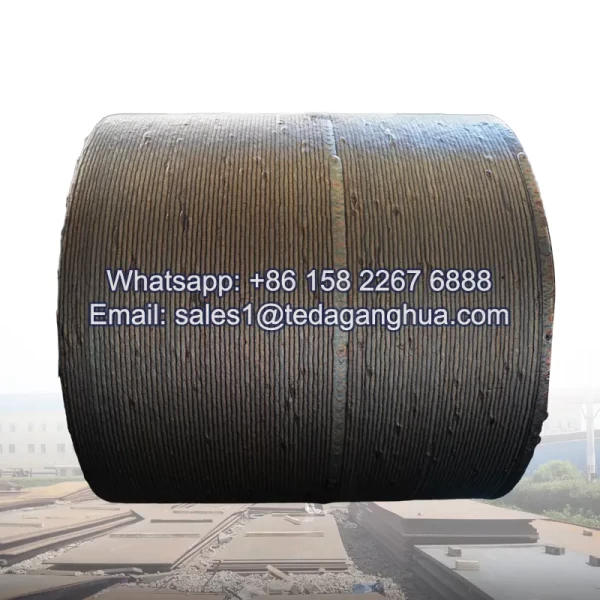
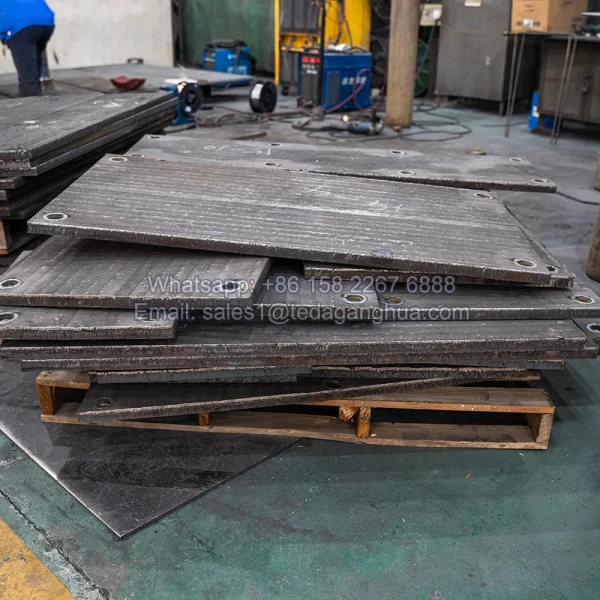
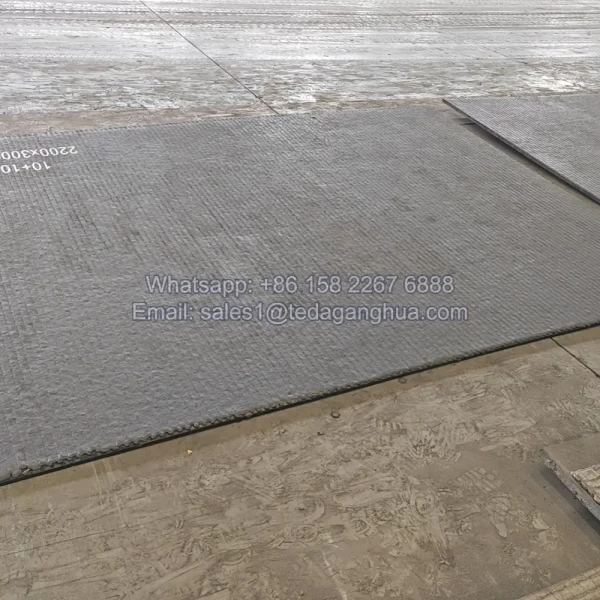
Hamparan Kromium Karbida (CCO) Piring adalah jenis wear-resistant bimetallic steel plate where a lapisan kromium karbida kekerasan tinggi is welded onto a mild steel base.
This combination provides:

  • Ketahanan abrasi yang ekstrim (hardness up to 58–65 HRC)

  • Dampak ketangguhan dari baja dasar

  • Umur panjang di pertambangan, semen, kekuatan, dan aplikasi penanganan material

CCO plates are widely used in liner penghancur, saluran bubur, konveyor sekrup, hopper, and impact areas.

Common Chromium Carbide Overlay Grades

Nilai / Jenis Kekerasan Hamparan (HRC) Baja Dasar Ketebalan overlay (mm) Aplikasi
CCO-1 / 1.0 mm weld 58–60 HRC Q235 / baja ringan 3–6 mm Area abrasi ringan, air terjun, hopper
CCO-2 / 2.0 mm weld 60–62 HRC Q235 / S355 6–8 mm penghancur, pengumpan, liner konveyor
CCO-3 / 3.0 mm weld 62–64 jam Q235 / NM400 8–12 mm High abrasion areas, dampak + wear zones
CCO-4 / 4.0 mm weld 64–65 HRC NM400 / AR450 12–15 mm Zona keausan yang parah, peralatan pertambangan, pipa lumpur
CCO-5 / 5.0 mm weld 65 HRC AR400 / AR450 15–20 mm Extreme wear applications, pelat palu, ujung pisau

Catatan: Hardness is measured on the overlay surface. The base steel provides toughness and weldability.

Typical Plate Specifications

Ketebalan (mm) Lebar (mm) Panjang (mm) Overlay Layer Thickness (mm) Catatan
6–20 1000–2000 2000–6000 3–6 Light wear applications
8–25 1200–2000 2500–6000 6–10 Keausan sedang, dampak + abrasi
10–30 1500–2200 3000–8000 8–12 Keausan tinggi, dampak sedang
12–40 1500–2500 4000–12000 12–20 Severe abrasion and impact
20–50 1800–2500 6000–12000 15–25 Extreme mining and crushing zones

Key Advantages of Chromium Carbide Overlay Plates

  1. High Hardness Surface – Protects equipment from severe sliding abrasion.

  2. Tough Base Steel – Absorbs impact and prevents cracking.

  3. Ketebalan yang Dapat Disesuaikan – Overlay and base thickness can be tailored for specific wear conditions.

  4. Umur Panjang – Up to 5–10× longer than ordinary wear plates.

  5. Versatile Applications – Mining, semen, pembangkit listrik, daur ulang, dan peralatan penanganan material.

Aplikasi Industri

  • Pertambangan: Lapisan penghancur, hopper, air terjun, piring pengumpan

  • Semen & Konkret: Slurry pipelines, liner mixer, konveyor sekrup

  • Pembangkit Listrik: Sistem penanganan abu, saluran batubara

  • Recycling Industry: Shredder blades, pelat palu, daerah dampak

  • Penanganan Material: Liner konveyor, saluran transfer, tempat sampah

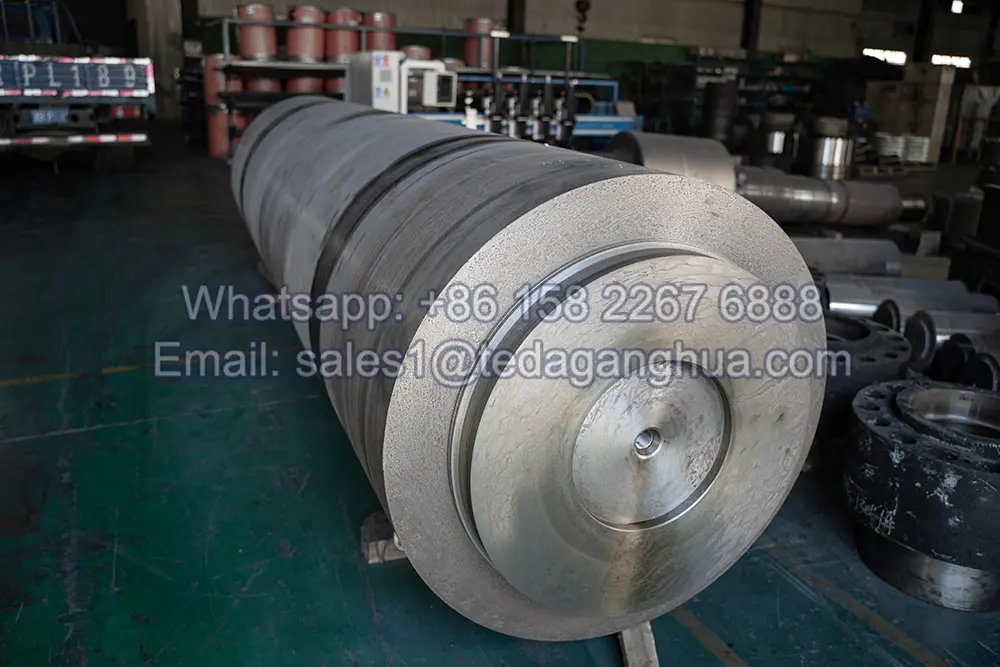
Hardfacing steel refers to steel components that have been coated with a hard, wear-resistant layer through overlay welding.
The hardfacing layer dramatically increases the abrasion, impact, and erosion resistance of industrial parts, extending service life in mining, semen, kekuatan, dan aplikasi penanganan material.

⚙️ Hardfacing Layer Structure

A typical hardfaced steel component has two main layers:

Lapisan Hamparan (Lapisan Permukaan Keras)

Made of high-alloy steel, kromium karbida, atau paduan berbasis kobalt.

Kekerasan: 50–65 HRC depending on the material.

Fungsi: Protects agaidampakiding, impact, and erosive wear.

Base Steel Layer

Usually mild steel (Q235), AR/NM memakai baja, atau baja struktural.

Memberikan ketangguhan, resistensi dampak, dan dukungan struktural.

🔧 Hardfacing Welding Processes

Several welding techniques are used to deposit the hardfacing layer:

Process	Description	Advantages
Submerged Arc Welding (GERGAJI)	Large-scale welding with chromium carbide or hardfacing wires	High deposition rate, uniform layer thickness
Flux-Cored Arc Welding (Fcaw)	Uses flux-cored wires with hard particles	Flexible, suitable for medium and small parts
Shielded Metal Arc Welding (SMAW)	Manual welding with hardfacing rods	Simple, ideal for repairs or field work
Plasma Transferred Arc (PTA)	High-energy plasma weld deposits powder overlay	Very high hardness, minimal dilution, excellent wear resistance
Key Considerations in Hardfacing

Overlay Thickness

Typically 3–20 mm depending on wear conditions.

Multi-pass welding may be used to build up the desired thickness.

Pemanasan awal & Interpass Temperature

Thick steel components may require preheating (150–250°C) untuk mencegah retak.

Interpass temperature control ensures uniform hardness and minimal residual stress.

Dilution Control

Hardfacing steel refers to steel components that have been coated with a hard, wear-resistant layer through overlay welding.
The hardfacing layer dramatically increases the abrasion, impact, and erosion resistance of industrial parts, extending service life in mining, semen, kekuatan, dan aplikasi penanganan material.

⚙️ Hardfacing Layer Structure

A typical hardfaced steel component has two main layers:

Lapisan Hamparan (Lapisan Permukaan Keras)

Made of high-alloy steel, kromium karbida, atau paduan berbasis kobalt.

Kekerasan: 50–65 HRC depending on the material.

Fungsi: Protects agaidampakiding, impact, and erosive wear.

Base Steel Layer

Usually mild steel (Q235), AR/NM memakai baja, atau baja struktural.

Memberikan ketangguhan, resistensi dampak, dan dukungan struktural.

🔧 Hardfacing Welding Processes

Several welding techniques are used to deposit the hardfacing layer:

Process	Description	Advantages
Submerged Arc Welding (GERGAJI)	Large-scale welding with chromium carbide or hardfacing wires	High deposition rate, uniform layer thickness
Flux-Cored Arc Welding (Fcaw)	Uses flux-cored wires with hard particles	Flexible, suitable for medium and small parts
Shielded Metal Arc Welding (SMAW)	Manual welding with hardfacing rods	Simple, ideal for repairs or field work
Plasma Transferred Arc (PTA)	High-energy plasma weld deposits powder overlay	Very high hardness, minimal dilution, excellent wear resistance
Key Considerations in Hardfacing

Overlay Thickness

Typically 3–20 mm depending on wear conditions.

Multi-pass welding may be used to build up the desired thickness.

Pemanasan awal & Interpass Temperature

Thick steel components may require preheating (150–250°C) untuk mencegah retak.

Interpass temperature control ensures uniform hardness and minimal residual stress.

Dilution Control

Hamparan Kromium Karbida

Hardfacing steel refers to steel components that have been coated with a hard, wear-resistant layer through overlay welding.
The hardfacing layer dramatically increases the abrasion, impact, and erosion resistance of industrial parts, extending service life in mining, semen, kekuatan, dan aplikasi penanganan material.

⚙️ Hardfacing Layer Structure

A typical hardfaced steel component has two main layers:

Lapisan Hamparan (Lapisan Permukaan Keras)

Made of high-alloy steel, kromium karbida, atau paduan berbasis kobalt.

Kekerasan: 50–65 HRC depending on the material.

Fungsi: Protects agaidampakiding, impact, and erosive wear.

Base Steel Layer

Usually mild steel (Q235), AR/NM memakai baja, atau baja struktural.

Memberikan ketangguhan, resistensi dampak, dan dukungan struktural.

🔧 Hardfacing Welding Processes

Several welding techniques are used to deposit the hardfacing layer:

Process	Description	Advantages
Submerged Arc Welding (GERGAJI)	Large-scale welding with chromium carbide or hardfacing wires	High deposition rate, uniform layer thickness
Flux-Cored Arc Welding (Fcaw)	Uses flux-cored wires with hard particles	Flexible, suitable for medium and small parts
Shielded Metal Arc Welding (SMAW)	Manual welding with hardfacing rods	Simple, ideal for repairs or field work
Plasma Transferred Arc (PTA)	High-energy plasma weld deposits powder overlay	Very high hardness, minimal dilution, excellent wear resistance
Key Considerations in Hardfacing

Overlay Thickness

Typically 3–20 mm depending on wear conditions.

Multi-pass welding may be used to build up the desired thickness.

Pemanasan awal & Interpass Temperature

Thick steel components may require preheating (150–250°C) untuk mencegah retak.

Interpass temperature control ensures uniform hardness and minimal residual stress.

Dilution Control

Hardfacing steel refers to steel components that have been coated with a hard, wear-resistant layer through overlay welding.
The hardfacing layer dramatically increases the abrasion, impact, and erosion resistance of industrial parts, extending service life in mining, semen, kekuatan, dan aplikasi penanganan material.

⚙️ Hardfacing Layer Structure

A typical hardfaced steel component has two main layers:

Lapisan Hamparan (Lapisan Permukaan Keras)

Made of high-alloy steel, kromium karbida, atau paduan berbasis kobalt.

Kekerasan: 50–65 HRC depending on the material.

Fungsi: Protects agaidampakiding, impact, and erosive wear.

Base Steel Layer

Usually mild steel (Q235), AR/NM memakai baja, atau baja struktural.

Memberikan ketangguhan, resistensi dampak, dan dukungan struktural.

🔧 Hardfacing Welding Processes

Several welding techniques are used to deposit the hardfacing layer:

Process	Description	Advantages
Submerged Arc Welding (GERGAJI)	Large-scale welding with chromium carbide or hardfacing wires	High deposition rate, uniform layer thickness
Flux-Cored Arc Welding (Fcaw)	Uses flux-cored wires with hard particles	Flexible, suitable for medium and small parts
Shielded Metal Arc Welding (SMAW)	Manual welding with hardfacing rods	Simple, ideal for repairs or field work
Plasma Transferred Arc (PTA)	High-energy plasma weld deposits powder overlay	Very high hardness, minimal dilution, excellent wear resistance
Key Considerations in Hardfacing

Overlay Thickness

Typically 3–20 mm depending on wear conditions.

Multi-pass welding may be used to build up the desired thickness.

Pemanasan awal & Interpass Temperature

Thick steel components may require preheating (150–250°C) untuk mencegah retak.

Interpass temperature control ensures uniform hardness and minimal residual stress.

Dilution Control