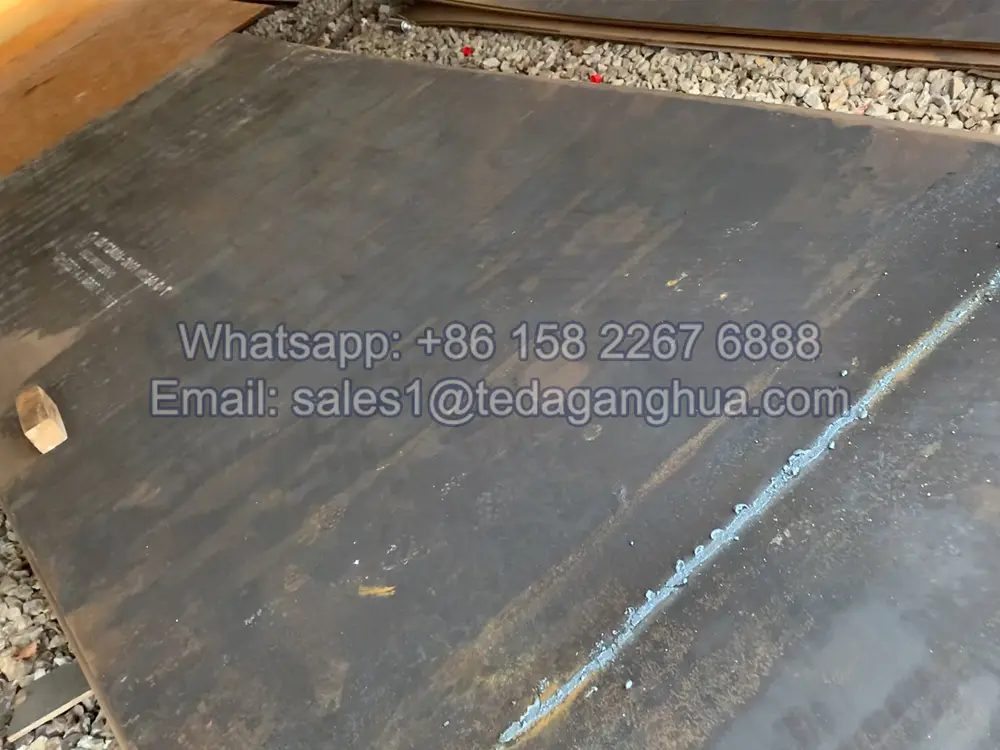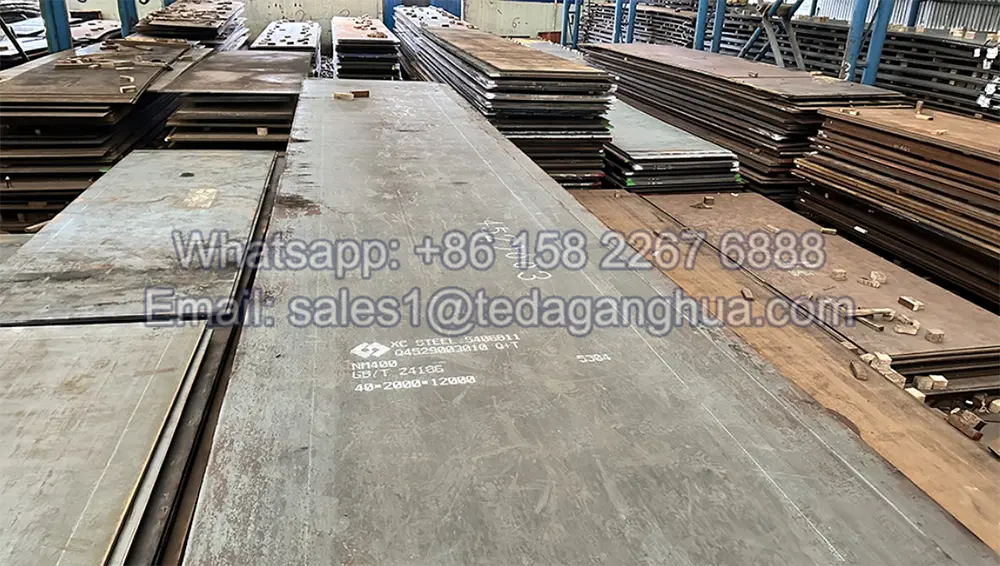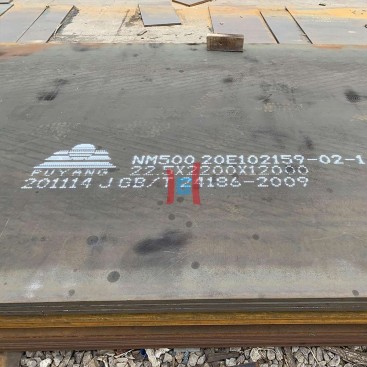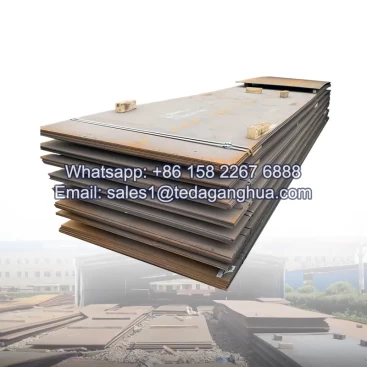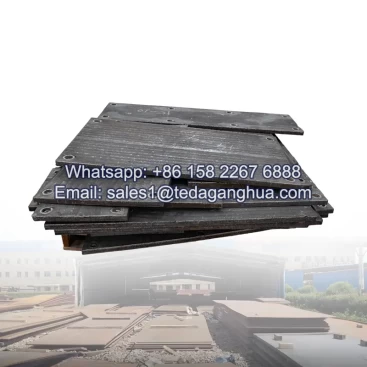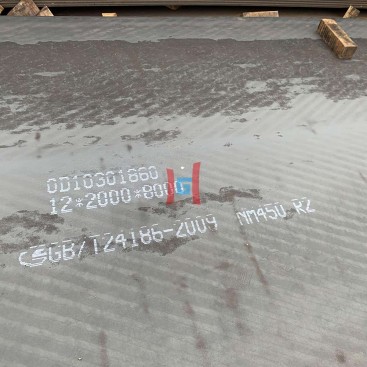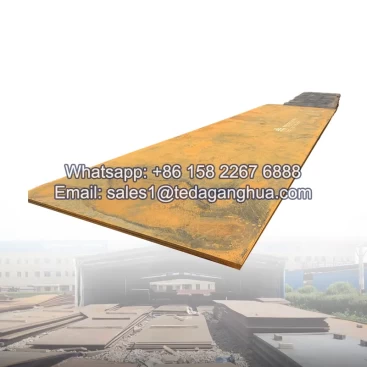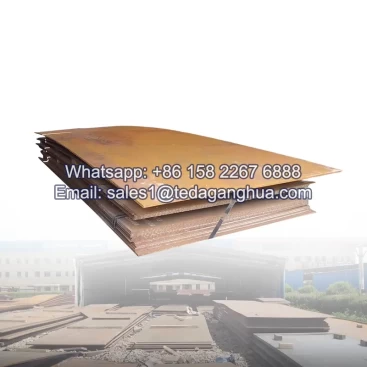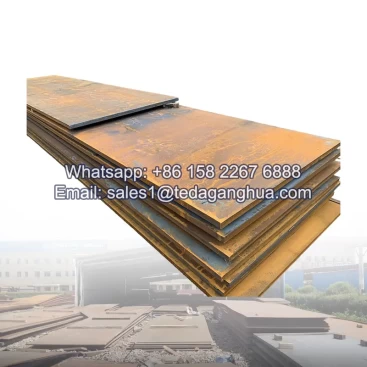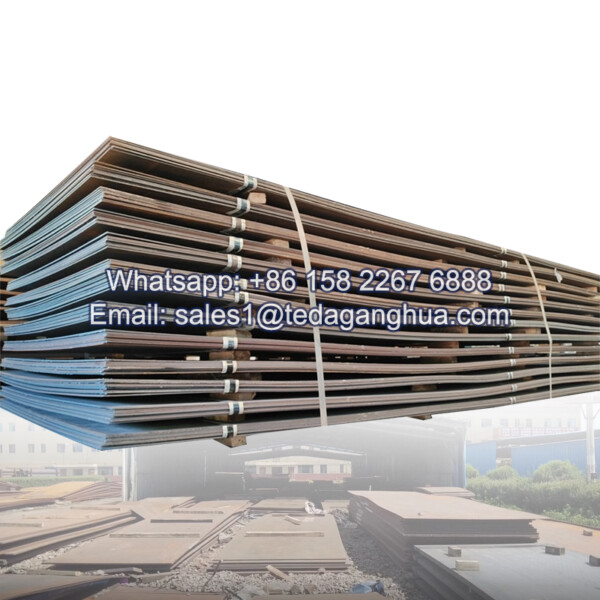
Keausan Baja
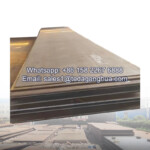
Steel wear is a natural process caused by abrasion, dampak, gesekan, dan erosi. In industrial environments, it leads to equipment failure and material loss.
Wear-resistant steels are designed to combat this problem through kekerasan tinggi, struktur mikro yang dioptimalkan, and alloy strengthening elements. These features significantly slow down material degradation and extend equipment service life.
- Keterangan
Steel wear refers to the gradual material loss of steel surfaces caused by mechanical action such as friction, abrasi, dampak, dan kontak geser. In industrial environments like mining, produksi semen, pabrik baja, dan penanganan material curah, wear is one of the main failure mechanisms of equipment.
To improve service life, baja tahan aus are specially designed to slow down or resist this material loss through optimized hardness, microstructure, and alloy composition.
What Causes Steel Wear?
Steel wear mainly occurs through several mechanisms:
1. Pakaian abrasif
Hard particles (pasir, bijih, klinker) slide or roll across the steel surface and remove material.
- Common in mining and cement industries
- Main reason for rapid plate thinning
2. Impact Wear
Repeated high-energy impacts cause surface deformation and cracking.
- Ember ekskavator
- Lapisan penghancur
- Tempat tidur truk sampah
3. Keausan Perekat
Two metal surfaces stick together under pressure and then tear apart.
- Occurs in moving mechanical parts
- Leads to surface damage and material transfer
4. Erosive Wear
High-speed particles strike the steel surface and gradually erode it.
- Pneumatic conveying systems
- Coal and ash transport pipelines
Why Wear-Resistant Steel Works
Wear-resistant steel reduces material loss through three main principles:
1. Kekerasan Permukaan Tinggi
Hardness is the first defense against wear.
- Hard surface resists cutting by abrasive particles
- Reduces penetration depth of external materials
- Slows down surface deformation
Typical wear steels range from:
- 360 PBR (AR400)
- Hingga 540+ PBR (AR500 and above)
2. Struktur Mikro yang Dioptimalkan
Wear-resistant steels are engineered through heat treatment to form special structures:
- Martensitic structure (baja AR/NM)
- Fine grain structure for uniform hardness
- Carbide-rich phases in alloy steels
These structures improve resistance to cracking and surface damage.
3. Elemen Penguat Paduan
Elemen kunci meningkatkan kinerja keausan:
- Karbon (C): meningkatkan kekerasan
- Kromium (Kr): improves wear and oxidation resistance
- mangan (M N): improves toughness
- Molibdenum (Mo): stabilizes hardness under stress
These elements work together to balance hardness and toughness.
4. Work Hardening Effect (Special Steels)
Some steels, especially high manganese steel, become harder during use:
- Surface becomes stronger under impact
- Extends service life in high-impact environments
- Ideal for crusher and mining applications
How Wear-Resistant Steel Extends Service Life
Wear-resistant steel does not eliminate wear—it slows it down by:
- Reducing material removal rate
- Distributing impact energy
- Preventing deep surface damage
- Maintaining structural integrity over time
Hal ini mengakibatkan:
- Longer equipment lifespan
- Reduced maintenance frequency
- Biaya penggantian lebih rendah
Perbandingan: Wear-Resistant Steel vs Carbon Steel
| Milik | Baja Karbon | Baja Tahan Aus |
|---|---|---|
| Kekerasan | Rendah | Tinggi |
| Tingkat Keausan | Cepat | Slow |
| Kehidupan Pelayanan | Pendek | Panjang |
| Resistensi Dampak | Sedang | Tinggi (engineered grades) |
| Industrial Use | General structure | Heavy wear environments |
Where Steel Wear Is Most Severe
Industri Pertambangan
- Ore crushing and transport
- Ember ekskavator
- Hopper and chute systems
Industri Semen
- Pabrik penggilingan
- Kiln systems
- Material transfer equipment
Industri Baja
- Sinter plants
- Sistem penanganan kokas
- Zona keausan konveyor
Pembangkit Listrik
- Sistem penanganan batubara
- Ash discharge pipelines