Vantaggi dell'acciaio ad alta resistenza all'usura
Introduzione
High-strength wear-resistant steel is created by adding alloying elements that enhance the material’s structure through solid solution strengthening, rafforzamento dei bordi di grano, e rafforzamento della seconda fase. Questo tipo di acciaio include l'acciaio martensitico a bassa lega, acciaio bainitico, e acciaio bifase.
Composizione e proprietà
Recent advancements use silicon as the main alloying element, leveraging its ability to inhibit carbide precipitation during the bainite transformation. This results in a carbide-free bainitic ferrite and residual austenite dual-phase structure. The absence of carbides improves strength and toughness, making it a leading wear-resistant material globally.
Key Properties
- High Yield Strength: Ensures the material withstands high stress before deforming.
- High Tensile Strength: Provides excellent resistance to being pulled apart.
- Buona duttilità: Allows the material to deform without breaking.
- High Fracture Toughness: Prevents the material from cracking under stress.
- Elevata resistenza agli urti: Offers excellent resistance to sudden impacts.
- Eccellente resistenza all'usura: Ensures durability and longevity in harsh conditions.
Heat Treatment and Performance
High-strength wear-resistant steel undergoes special heat treatments, resulting in both high strength and toughness. Its wear resistance surpasses that of high manganese and high chromium steels.
Mechanical Properties at Room Temperature
- Resistenza alla trazione: 1950 MPa
- Forza di snervamento: 1600 MPa
- Allungamento: 17%
- Section Shrinkage: 30%
- Resistenza all'impatto: HRC (Hardness Rockwell C): 55
Advanced Properties
Rare earth modification and specific process treatments create a nano-scale bainite/martensite structure. This structure achieves:
- Resistenza alla trazione: 1950 MPa
- Allungamento: 17%
- Section Shrinkage: 38%
- HRC: 55
- Aku: 72J (Impact Energy)
Application Areas
High-strength wear-resistant steel is used in various fields due to its exceptional properties:
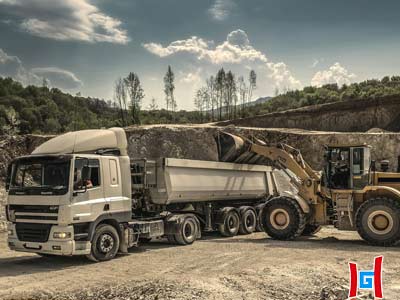
- Mining and Engineering Machinery: Shovel teeth, denti di secchio, and excavator parts.
- Vehicles and Railway Tracks: Enhances durability and performance.
- Mechanical Equipment: Used in hydraulic and transmission equipment.
- Costruzione: High-strength bolts, coastal bridge steel bars, and wear-resistant wire mesh.
- Military and Defense: Effective in armor due to its spallation strength and ballistic impact resistance.
Specialized Testing
High strain rate deformation ballistic tests have shown that under extreme conditions:
- Pressure-Induced Martensite Phase Transformation: Achieves strength of about 13 GPa.
- Forza di snervamento: Ranges between 3.5-10 GPa.
- Spallation Strength: Circa 2 GPa.
Nano-low-temperature bainitic steel demonstrates tensile strength up to 2.5 GPa and ballistic impact strength as high as 10 GPa.
Conclusione
High-strength wear-resistant steel offers a combination of high strength, tenacità, e resistenza all'usura. These properties make it invaluable in demanding applications such as mining, costruzione, and defense. Its advanced composition and specialized heat treatments ensure superior performance, making it a critical material for modern engineering challenges.
Teda Ganghua metallo -18 anni
Fornitore di lamiere/piastre di acciaio
Portare le specifiche dettagliate a contattami se avete bisogno
Abbiamo alta qualità e prezzi ragionevoli